Ruling on Celebrating Birthdays and Wedding Anniversaries in Islam – Shaykh ibn Uthaymeen

Question:

What is the ruling on organizing celebrations for the birthdays of children or for wedding anniversaries?

Answer:

There are no celebrations in Islaam except Friday the weekly ‘Eid, the first day of Shawwal – ’Eidal-Adha. The day of ’Arafah might be called an ‘Eid for those who are at’Arafah on that day, and the days of Tashreeq, following ’Eidul-Adha.

As for birthday celebrations for a person or his children, or wedding anniversaries or the like, none of them are legislated and they are closer to being innovations than to being allowed.

Shaykh Muhammad bin Saalih al-`Uthaymeen
Fatawa Arkanul-Islaam, English Edition
Published by Dar-us-Salam, pg 265

You are encouraged to buy this 2 Vol set from Dar-us-salam

Keywords : Marriage day, Birthday celebration, Marriage anniversary, innovated celebrations, imitating kuffar

Bear in mind that obeying those in authority is like worshipping Allah – Shaykh Ibn Uthaymeen

So the rulers are to be obeyed as required by the Sharee’ah if they command that which is not contrary to the Command of Allaah and His Messenger. This is because the duty upon the people is to hear and obey when the ruler commands that which is not contrary to the Command of Allaah and His Messenger. In this situation and with this condition, their obedience to those in authority is obedience to Allaah (Azza wa Jal).

For this reason, we should bear in mind that when we carry out what the state authority has ordered from matters in which it must be obeyed, we are, in this respect, worshipping Allaah, The Most High, and drawing closer to Him through this obedience. So, bearing this in mind, our execution of the ruled matter will be something that draws us closer to Allaah, The Mighty and Majestic. It is something that we should be conscious of; because Allaah, The Most High, Says:

O you who believe, obey Allaah, and obey his Messenger, and those of you in authority.
[Qur’aan, soorat an-Nisaa’ (4): 59].

Translated by Dr Saleh as Saleh rahimahullaah
SourceUnderstanding Worship – Fiqh ul-‘Ibadah – Shaykh ibn Uthaymeen – Page 135

The Meaning of Allaah’s Most Beautiful Names – Dr Saleh as Saleh [Audio|En]

Based upon the work of Shaykh Ibn Al-‘Uthaymeen
Explained by Dr Saleh As-Saleh, rahimahumaa Allaah

The full transcription of these excellent audio series will be released soon as a PDF, inshaa Allaah

Knowing Allaah – Saleh-As-Saleh

The Names are all Husna – part 1 – Saleh-As-Saleh

The Names are all Husna – part 2 – Saleh-As-Saleh

The Meaning of Names – 01 to 50 – Saleh-As-Saleh

The Meaning of Names – 51 to 74 – Saleh-As-Saleh

The Meaning of Names – 75 to 92 – Saleh-As-Saleh

The Meaning of Names – 93 to 100 – Saleh-As-Saleh

The Meaning of Names – 101 to 112 – Saleh-As-Saleh

Al-Bukhari’s Book of Tawheed – Dr Saleh as Saleh [Audio|En]

Based upon the explanation of Shaykh Ibn Al-‘Uthaymeen

Al-Bukhaari – Book of Tawheed – 01- Eemaan – Faith Increases and Decreases – Saleh-As-Saleh

Al-Bukhaari – Book of Tawheed – 02- Revelation – Mention of Some Miracles of the Prophet – Saleh-As-Saleh

Al-Bukhaari – Book of Tawheed – 03- Tawheed – Introduction – Saleh-As-Saleh

Al-Bukhaari – Book of Tawheed – 04- Tawheed – 469 – Muadh Yemen – 470 – Rights – 471 – Ikhlaas – Saleh-As-Saleh

Al-Bukhaari – Book of Tawheed – 05- Tawheed – 472 – Reciting al Ikhlaas – Ch 2 – Names and Attributes – Saleh-As-Saleh

Al-Bukhaari – Book of Tawheed – 06- Tawheed – To Allaah Belongs the Most Beautiful Names – Saleh-As-Saleh

Al-Bukhaari – Book of Tawheed – 07- Tawheed – Names of Allaah Limited to 99 or Limiteless – Saleh-As-Saleh

Book of Marriage – Shaykh ibn Uthaymeen – Dr Saleh as Saleh [Audio|En]

Book of Marriage – 01- Book of Marriage – Shaykh Ibn Al-‘Uthaymeen – Saleh-As-Saleh

Book of Marriage – 02- Forbidden To Marry a Mahram – One in Ihraam – One in ‘Iddaah- – Saleh-As-Saleh

Book of Marriage – 03- Introduction to Marriage – Its Rank and Importance – Saleh-As-Saleh

Book of Marriage – 04- Seeking Advices Before Marriage – Saleh-As-Saleh

Book of Marriage – 05- Marriage Is Half of the Deen – What Does This Mean – Saleh-As-Saleh

Book of Marriage – 06- Advice Concerning Net Relationships – Meeting Future Spouse on the Net – Saleh-As-Saleh

Book of Marriage – 07- Marriage Status When One Spouse Takes Shahaadah – Saleh-As-Saleh

Book of Marriage – 08- Discussion Following Topic of Spouse’s Shahaadah – Saleh-As-Saleh

FAQ – Marriage – Relationships

The belief in the Existence of Allaah – Shaykh Ibn Uthaymeen

It is the full attestation that Allaah, The One free of all imperfection, The Most High, exists. No one openly denied the existence of Allaah, The Mighty and Majestic, except by way of haughtiness. Otherwise it is impossible for any reasonable person to claim that this creation was appeared by chance or it came into existence without a cause, due to the fact that this is something impossible to occur as agreed upon by the people of sound intellect.

Indeed the existence of Allaah, The Mighty and Majestic, is something proven by all kinds of evidences:

(i) Rational
(ii) Fitriyyah [from Fitrah: Natural disposition],
(iii) Legal, and
(iv) Hissiyyah [from Hiss: What is experienced and perceived].

All of these four evidences prove the existence of Allaah, The Mighty and Majestic.

As for the intellectual proof, then it is that we witness the existence of this universe and what occurs in it from things which is rather impossible for any creature to do. The existence of creation: the heavens, the earth and what is in them from the stars, mountains, rivers, trees, the speaking, the speechless, and so forth. How did this existence come into being? Did it appear by chance? Or did it occur without a cause? Or did it bring itself into existence? These are three possibilities whereby the intellect does not accept a fourth possibility. All of these possibilities are futile and false.

As for it appearing by chance, then this is something that the intellect as well as reality itself denies, because you cannot bring such magnificent creation into existence just by chance; there must be a cause for each effect. Furthermore its astounding arrangement and harmonious order that has no conflict or collision within it, makes it impossible that it all came about randomly. This is because that which would come into existence by chance, its development would not be ordered because all of it is random and by chance.

As for the possibility that creation brought itself into existence, then it is also clearly impossible. This is because before its existence, creation did not exist, it was nothing; and that which is nothing cannot bring into existence that which does not exist.

As for the third possibility that this existence came to exist without a cause, then the meaning is the same as our saying that it appeared by chance; and this, as preceded, is impossible.

It remains to be said that existence has someone who brought it into being, and He is Allaah, The Mighty and Majestic. He, The Most High, Says:

Were they created by nothing? Or were they themselves the creators? (did they create themselves?) Or did they create the heavens and the earth? Nay, they have no certainty? [Qur’aan, soorat at-Toor (52): 35-36].

Hence, this creation rationally proves the existence of Allaah, The Mighty and Majestic.

As for the proof of the natural disposition for the existence of Allaah, then it is so evident that it does not require a proof. This is because man is created upon the natural disposition (Fitrah) of belief in his Rabb. The Prophet (Sallallaahu alaihi wa sallam) said:

“Every child is born upon the natural disposition, then his parents change him into a Jew, or a Christian, or a Majian.” [35]

That is why in case something suddenly befalls upon a person in this life such that it may destroy him, he would say with his tongue and without feeling: “O Allaah!” or “O Rabb!” or the like. This proves that the innate nature of man has been created upon the belief in the existence of Allaah, The Mighty and Majestic.

As for the proof of the Hiss (i.e What is experienced and perceived) for the existence of Allaah, then it is very often that we hear of supplications being answered by Allaah. Also the person himself who calls upon Allaah, his supplications are indeed responded to. Many are those who invoked Allaah and said: “O [Yaa] Rabb,” and behold! They saw response was right before his eyes! Indeed in the Qur’aan there are many examples for this, like the Saying of Allaah, The Most High:

And (remember) Ayyub (Job), when he cried to his Rabb: “Verily, distress has seized me, and you are the Most Merciful of all those who show mercy”. So We answered his call, and We removed the distress that was on him. [Qur’aan, soorat al-Anbiyaa’ (21): 83-84].

In addition, there are many other examples from the Sunnah, one of which is the Hadeeth reported by Anas ibn Maalik in which he said:

“A man [a bedouin Arab] entered the mosque on the day of Jum’ah whilst the Prophet (Sallallaahu alaihi wa sallam) was delivering the Khutbah, and said: ‘O Messenger of Allaah, property is being destroyed, and the passages have become blocked, so supplicate Allaah to send rain down upon us.’ The Prophet (Sallallaahu alaihi wa sallam) raised his hands and then said: ‘O Allaah send down rain upon us; O Allaah send down rain upon us.’ The sky was clear without any cloud in it. The Prophet (Sallallaahu alaihi wa sallam) did not come down from his pulpit except that rain was flowing from his beard, may Allaah’s Salaat and Salaam be upon him. There was a downpour of rain for one week. Then on the succeeding Friday a man (the same man or someone else) entered the mosque and said: ‘O Messenger of Allaah, the houses are collapsing and wealth is being flooded, so supplicate Allaah to stop the rain for us.’ The Prophet (Sallallaahu alaihi wa sallam) raised his hands and began to say: ‘around us and not upon us,’ pointing with his hands, and he did not point to any direction except that it cleared.” [36] People then stepped out walking in the sunshine.

Many are the supplications which a person calls upon his Rabb (Allaah) to be answered are indeed responded to. This is a proof contained in what is experienced and perceived for the existence of Allaah, The Mighty and Majestic.

As for the Shar’ee proof for the existence of Allaah, then it is beyond being enumerated. Indeed the Qur’aan in its entirety as well as all of the affirmed Ahaadeeth in their legal and informative nature, proves the existence of Allaah, The Mighty and Majestic, as Allaah Says concerning the Sublime Qur’aan:

Had it been from other than Allaah, they would have surely found therein much discrepancy. [Qur’aan, soorat an-Nisaa’ (4): 82].

The belief in the existence of Allaah, is one of the matters that comprise(s) the belief in Allaah. As for the belief in Allaah’s Ruboobiyyah, Uloohiyyah, Names and Attributes, then a detailed discussion of these branches of Tawheed has preceded.

References

[35] Reported by al-Bukhaaree and Muslim. See Saheeh al-Bukhaaree,vol.2, no.467.
[36] Collected by al-Bukhaaree in his Saheeh, vol.2, no.55, and Muslim, vol.2, no.1955.

Translated by Dr Saleh as Saleh rahimahullaah

SourceUnderstanding Worship – Fiqh ul-‘Ibadah – Shaykh ibn Uthaymeen

Soothsaying (Fortune-Telling) & Categories of People who visits Fortune Tellers – Shaykh ibn Uthaymeen

Question 32: What is Soothsaying?

The Answer by Shaykh Uthaymeen:

Soothsaying or divination (Kihaanah) is of the measure Fi’aalah and it is derived from al-Kahn which means speaking falsely, and searching for the facts in ways that are completely unfounded. This was the practice of some people during the pre-Islamic era (al-Jaahiliyyah) and with whom the Shayaateen (the devils) established contact, relating to them the hearing [57] they (the devils) steal from the heaven. Those receiving the hearing take each word and add to it whatever they want from the words of falsehood, then they impart it to the people. If the matter occurs exactly as they said, people will be deceived by them and will take them as authority to which they turn to for judgement and for predicting the future events. That is why we say that the soothsayer is the one who informs about the hidden matters in the future.

As for the one who visits a soothsayer, then he may be classified into one of the following three categories:

First: He visits the soothsayer then he asks him without believing him. Then this is legally forbidden, and the punishment assigned to the one who does this is such that prayers extending to forty days will not be accepted from him, as affirmed in the report collected in Saheeh Muslim and in which the Prophet (Sallallaahu alaihi wa sallam) said: “He who goes to a diviner (soothsayer) and asks him about anything, his prayers extending to forty days or nights will not be accepted.” [58]

Second: He goes to a Kaahin (soothsayer) and asks him about anything and believes him in what he tells. This is disbelief in Allaah (Azza wa Jal), because he believed him in his claim of knowing of al-Ghayeb (the hidden andunseen).[59] Believing men in their claim of knowing al-Ghayeb is a denial of the Saying of Allaah, The Most High: None in the heavens and the earth knows the Ghayeb (unperceived realities) except Allaah.” [Qur’aan, soorat an-Naml (27):65].

And denying what Allaah and His Messenger inform of is Kufr (unbelief). That is why it is mentioned in the authentic transmission:

Whoever goes to a diviner, and believes what he says then he has indeed disbelieved in what was sent down upon Muhammad.” [60]

Third: He goes to the fortune-teller and asks him about anything in order to expose his situation to the people, and that what he does is merely divination, distortion and misguidance. There is no harm in this. The proof for it is that when the Prophet (Sallallaahu alaihi wa sallam) encountered ibn Sayyad (who claimed prophethood), he (Sallallaahu alaihi wa sallam) concealed something for him within himself (to test him), and when he (Sallallaahu alaihi wa sallam) asked him about what he (Sallallaahu alaihi wa sallam) concealed for him, he said: “It is a Dukh intending AdDukhaan (smoke).” Thereupon the Prophet ((Sallallaahu alaihi wa sallam)) said: “May you be disgraced and dishonoured, you would not be able to go beyond your rank.” [61]

These are the conditions of those who go to a diviner, and they are three.

The first is that he goes to him not believing in him, nor intending to test and expose him, and this is unlawful. The applicable punishment upon the one who does this is that his prayers will not be accepted from him for forty days.

The second is that he asks him about anything, and believes him. This is unbelief in Allah (Azza wa Jal). It is obligatory upon the person who does this to repent from it, and to return to Allaah (Azza wa Jal). Otherwise, he dies on a state of unbelief.

The third situation is such that he goes to the diviner and asks him in order to test him, and expose his reality to the people. In this there is no harm.

The Ruling Regarding Those Who go to Diviners

Question 33: It would be nice if we could know of the status of people who go to fortune-tellers.

The Answer: Their situations are as follows:

First Case: A person goes to the diviner and asks him about anything without believing him, and in doing so he does not intend to expose his reality. Then the person is sinful, and the applicable punishment is that prayers will not be accepted from him for forty days.

Second Case: He goes to the fortune-teller and then he asks him and believes him. This person is an unbeliever because he denies the Saying of Allaah, The Most High:

None in the heavens and the earth knows the Ghayeb (unperceived realities) except Allaah. [Qur’aan, soorat an-Naml (27): 65].

Third Case: He goes to him and asks him in order to test him, and expose his status and his lies and falsifying to the people. And we have mentioned that there is no harm in this.

And it is a determined matter that if a thing that is legally permissible leads to something forbidden, then itself becomes prohibited. So, if it is determined that in this third case whereby the person goes to the diviner to test him and expose his reality, and as such it may become a reason leading people to be deceived by him–then under such circumstances he should not do that and should not go to him, even if it were to be done for this good intention. Since the rule is that, whatever leads to something prohibited then it is itself, prohibited.

References :

[57] The Prophet (Sallallaahu alaihi wa sallam) said: “While the angels talk over the clouds about things that are going to happen on the earth [in another narration: “they mention the affairs decreed in heavens”], the devils hear a word of what they say and pour it in the ears of the sooth-sayer as one pours something in a bottle, and they add one-hundred lies to that (one word).” Reported in Saheeh al-Bukhaaree, vol.4, no.508.

[58] Reported by Mulsim. See Saheeh Muslim, vol.4, no.5540.

[59] Al-Ghayeb: The hidden and unseen of all unperceived realities related to Allaah, Paradise, Hell and so on.

[60] Reported by At-Tirmithee, and Ibn Maajah. It was authenticated by Ahmad Shaakir and al-Albaanee (See al-Irwaa’ by al-Albaanee, no.2006).

[61] The story of Ibn Sayyaad, a diviner, is detailed in Saheeh Muslim (Book of Fitan), Saheeh al-Bukhaaree (Books of Janaa’iz, Jihaad and Siyar, alQadar, al-Adab, and others), At-Tirmithee (Book of Fitan) and by others. In it the Prophet (Sallallaahu alaihi wa sallam) exposed his claim of Prophethood through this test. He was not able to complete the word Dukhaan pertaining to soorat adDukhaan. The devils imparting the information to Ibn Sayyaad were not able to snatch the complete word, thus it came in this distorted form.

Translated by Dr Saleh as Saleh rahimahullaah

SourceUnderstanding Worship – Fiqh ul-‘Ibadah – Shaykh ibn Uthaymeen  – Page 109

If my action is Pre-decreed by Allaah ( عز و جل), then why should I be punished on committing a sin ?

It is for someone to say: If my action is Pre-decreed by Allaah ( عز و جل), then why should I be punished on committing a sin when it is something already Pre-decreed by Allaah?

The response to this is to say:

You have no proof in using Allaah’s Pre-decree as an excuse for the sin you committed, because Allaah ( عز و جل) did not compel you to commit such sin; and that when you embark on committing it, you do not have the knowledge that it is Pre-ordained upon you, because man does not know of what was Pre-decreed except after it is manifested. So before committing the sin, why did you not take into consideration that Allaah has Pre-decreed obedience on you and therefore you obey Him?

Just as in your worldly affairs you strive to take care of that which you consider good, and you turn away from that which you see as evil, then why do you not treat yourself accordingly in affairs pertaining to the Hereafter?

And I believe that there is nobody after being told that there are two roads that lead to Makkah, one is safe and facilitated and the other is dangerous and difficult, would take the dreadful and difficult road and then say that: “this has been Pre-decreed for me”! He will certainly take the safe and easy road. Consequently, there is no difference if you are told that there is a road to Paradise and another to the Fire. So, if you take the road to the Fire, then you are like the one who took the dreadful and rough road to Makkah. Yourself will criticize this man who took such a road. So, why do you accept for yourself to take the road to the Fire of Hell and turn away from the road to bliss? And if man has a proof in Pre-decree for committing sins, then it would not be removed by sending the Messengers. [47]

[47] Since their sinful acts after the sending of the Messengers would still be according to the Pre-decree of Allaah.

Translated by Dr Saleh as Saleh rahimahullaah

SourceUnderstanding Worship – Fiqh ul-‘Ibadah – Shaykh ibn Uthaymeen

الصَّمَد As-Samad: One of the Names of Allaah

الصَّمَد  As-Samad (the Perfect Lord and Master upon Whom the whole of creation depends), the Lord and Master Whose control is complete, upon Whom the whole of the creation depends for its needs because of His perfection in His self, His names, His attributes and His actions. The One Who remains and never passes away, the One Who neither eats nor drinks, free of all needs.

[SourceThe Ninety-Nine Names of Allaah – Dawud Burbank [Audio|En] & Transcribed PDF]

“Allāh is As-Samad” – Shaykh ibn Uthaymeen

Concerning his statement: “Allāh is As-Samad

This is a clause of continuation, after He mentioned Al-Ahadai’yyah (the oneness), he mentioned As-Samadiyyah, and used a definite clause for both, to indicate exclusivity. That is Allah, alone, is As-Samad.

What is the meaning of As-Samad?

It is said that As-Samad means He is the Perfect One, in His Knowledge, His Power, His Wisdom, His ’Izzah (Honor and Might), His Sovereignty and in all His Attributes.

It is also said: As-Samad is the one who does not have any cavity – that is without intestines nor abdomen. That is why it is said: The Angels are Samad because they do not have cavities; they do not eat nor drink. This meaning is related from Ibn ’Abbas, may Allah be pleased with him.[1] And this does not negate the first meaning, because it indicates His self sufficiency from all of His creation.

And it is said: As-Samad has the meaning of the Ma’ful form, that is Al-Masmudu ilaihi;He who is betaken to by the creation of their needs, with the meaning that they incline to Him and they reach out for Him, and surrender their needs to Him. So it has the meaning of the everyone is in need of.

These interpretations do not contradict one another in relation to Allah, the Mighty and Sublime, and as such we say that each of these meanings are affirmed due to the lack of contradiction among them. We interpret it with a comprehensive interpretation; we say As-Samad is the One Who is Perfect in His Attributes, the One whom all His creatures are in need of; they are dependent upon Him. Therefore, the tremendous meaning of the word As-Samad becomes clear to you. He is the One independent of any need from all other than Him, Perfect in all of What is attributed to Him, and that all other than Him is in need of Him.

If somebody says to you: “Allah rose above the Throne, does His rising above the Throne mean that He is in need of the Throne, such that if the Throne was removed, He would fall?” The answer is no! Never! Because Allah is Samad, perfect without need of the Throne. Rather the Throne, the heavens, the Kursi and all creatures are in need of Allah; He is independent of any need from them. We derive this from the word As-Samad.

If somebody asks: “Does Allah eat and drink?” I say: Never; because Allah is Samad.” With this, we recognize that the word As-Samad is a word that covers all the perfect Attributes of Allah, and it relates to all the imperfect attributes of the creatures. That is why the are in need of Allah, the Mighty and Sublime.

References :

[1] Reported by Ibn Abi ’Asim in As-Sunnah (665) with a weak Chain of transmission from Ibn Abbas. It is authentically transmitted from Mujahid; “As-Samad: the one without an abdomen as is in As-Sunnah of Ibn Abi ’Asim (673) and Ibn Kathir authenticated its report from the Companion ‘Abdullah bin Buraidah.

SourceAl-’Aqidah Al-Wasitiyyah (2 Vol. Set) – Author: Shaykh Muhammad bin Salih Al-’Uthaimin – Publisher: Darussalam Publishers & Distributors


Belief in Pre-decree (al-Qadar) produces magnificent fruits affecting the conduct and the heart of a person – Shaykh ibn Uthaymeen

There remains a brief statement regarding al-Qadar, and it pertains to the fact that belief in Pre-decree produces magnificent fruits affecting the conduct and the heart of man.

Because if you believe that everything occurs by the Pre-decree of Allaah, then at times of delight you will give thanks to Allaah, The Mighty and Majestic, and you do not become amazed with your own self. You do not also think that this matter occurred by your own power and strength. You do, however, believe that it is just a cause– in case you have done the necessary mean by which you have attained that which delights you–and that all the good is in the Hand of Allaah. So you will be more thankful for the blessing granted by Allaah, The One free of all imperfection, The Most High. This will motivate you to carry on the obedience to Allaah in accordance with that which He commanded you, and that you do not regard your own self having a favor upon Allaah. Rather, you see that the favor is His, The One free of all imperfection, The Most High. He, The Exalted, says:

They regard as favor upon you (O Muhammad Sallallaahu alaihi wa sallam) that they have embraced Islaam. Say: “Count not your Islaam as a favor upon me. Nay, but Allaah has conferred a favor upon you, that He has Guided you to the faith, if you indeed are true.” [Qur’aan, soorat al-Hujuraat (49): 17].

Similarly, if a calamity befalls you, you believe in Allaah and submit without being regretful or afflicted with grief on that. Have you not given thought to the saying of the Prophet (Sallallaahu alaihi wa sallam):

“A strong believer is better and is more lovable to Allaah than a weak believer, and there is good in every one of them. Cherish that which gives you benefit and seek help from Allaah and do not lose heart, and if anything (in the form of trouble) comes to you, do not say: If I had not done that, it would have not happened so and so, but say: Allaah did that which He had Pre-decreed, and He does whatever He Wills, and that “if” opens the way for the acting of Shaytan [by casting opposition to Allaah’s Pre-decree in the heart].” [48]

So, in the belief in the Pre-decree there is rest to the soul and heart and absence of grief at that which escaped, and of worry and distress at that which is to come. Allaah, The Most High, Says:

No calamity befalls on the earth or in yourselves but it is inscribed in the Book of Decrees (al-Lawh al-Mahfooth) before we bring it into existence. Verily, that is easy for Allaah. In order that you may not grieve at the things that you fail to get, not to rejoice over things which has been given to you.” [Qur’aan, soorat al-Hadeed (57): 22-23].

As to the one who does not believe in al-Qadar, there is no doubt that he will grieve and regret at times of calamities, and the Shaytaan will open up for him every new way or possibility [to confuse him and keep him dissatisfied]. And That he will be pleased and become proud and deluded if prosperity befalls him. The Eemaan in the Pre-decree, however, prevents all of this.

References

[48] Reported by Muslim in his Saheeh, vol.4, no.644. The statement between the brackets,“[…]”, is the explanation of al-Qaadee ‘Iyaad in Sharh Saheeh Muslim by An-Nawawee.

Translated by Dr Saleh as Saleh rahimahullaah

SourceUnderstanding Worship – Fiqh ul-‘Ibadah – Shaykh ibn Uthaymeen – Page 93

The Recitation of Soorat al-Faatihah For the Prophet’s Soul – Shaykh ibn Utahymeen

Question 62:

As regard those who bequeath that the Faatihah be recited on behalf of the Prophet’s soul, or on his behalf by the Prophet’s grave?

The Answer by Shaykh Uthaymeen (rahimahullaah):

It is not binding to execute this bequest, because it is a bequest of an unprescribed matter. For the Prophet (Sallallaahu alaihi wa sallam) does not prescribe for anyone to worship Allaah and then dedicate the reward of worship to the Messenger (Sallallaahu alaihi wa sallam). Since, had this been prescribed, then the companions, may Allaah be pleased with them, would have been the most preceding people in attaining it.

And also because the Prophet (Sallallaahu alaihi wa sallam) is in no need for this. For indeed there is no person who does a righteous deed except that the Prophet (Sallallaahu alaihi wa sallam) would have a similar reward. Because he (Sallallaahu alaihi wa sallam) is the one who has directed to this, and, [as the Prophet (Sallallaahu alaihi wa sallam) said]: “The one who guides to what is good is like the one who does it.” [92] So, this bequest is from the foolish and futile actions as well as a bid’ah, something which has not been reported from the righteous predecessors, may Allaah be pleased with them.

And similarly if he said: “Recite the Faatihah on my behalf by the Prophet’s grave,” then it is not binding to fulfill this bequest. The reason for this is that specifying a particular place for a particular worship not prescribed by the sharia, is from the bida’ as it is known in the aforementioned discussion pertaining to the issue of “Pursuance of the Messenger (Sallallaahu alaihi wa sallam).” [93] And that the following of the Messenger (Sallallaahu alaihi wa sallam) cannot be achieved until the act of worship agrees with the Sharee’ah in six matters: cause, type, extent, manner, time, and place.

References :

[92] Reported by at-Tirmithee (no.2672, Arabic). And also in saheeh Muslim: “One who guides to something good has a reward similar to that of its doer”, vol.3, no.4665.

[93] See page section on “Saved Group”.

Translated by Dr Saleh as Saleh rahimahullaah

SourceUnderstanding Worship – Fiqh ul-‘Ibadah – Shaykh ibn Uthaymeen – Page 174

Understanding Worship (Fiqh ul-‘Ibadah) – Shaykh Uthaymeen | Dr Saleh as Saleh

Click the Below Link to Read or Download the PDF

Audio

Contents of this e-Book

Introduction by Dr. Saleh as-Saleh rahimahullaah

Questions & Answers

The Tawheed and Belief
The Purpose Behind The Creation Of Mankind

Question 1: What is the purpose of creating mankind?

Question 2: Is there a meaning for ‘Ibaadah (worship) such that it is possible for us to know of? Does it have a general and a specific meaning?

Question 3: Would those specifically choosing al-’Ibaadah al-Kawniyyah and excluding al-’Ibaadah ash-Shar’iyya, be rewarded?

The First Obligation upon the Slaves [of Allaah]

Question 4: What is the first obligation upon the creation?

The Relation of the Shaadah with the Types of Tawheed.

Question 5: But does the Shahaadah Comprise the Types of Tawheed?

The Meaning of Tawheed.

Question 6: What is the Meaning Tawheed?
Question 7: In General, What are the Types of Tawheed ?
Question 8: What are the Types of Tawheed? Please Clarify and Give Examples.

The Importance of Tawheed Al-Asmaa’ was Sifaat

Question 9: We would like some more details about this type of Tawheed i.e. Tawheed al-Asmaa’ was Sifaat.

The obligations Towards Each Type Tawheed

Question 10: What is obligatory upon us towards each of the types alone?

The Danger in Worshipping other than Allaah

Question 11: What is the ruling on directing any kind of worship to other than Allaah, The One free of all imperfections?

The Meaning of Ash-Shahaadataan

Question 12: What is the meaning of Ash-Shahaadataan: La Ilaaha Illallaah and Muhammad Rasoolulaah.

The Meaning of The Shahaadah: Muhammad is the Messenger of Allaah.

Question 13: You explained the meaning of the Shahaadah: La Ilaaha Illallaah. So, what is the meaning of the Shahaadha: Muhammad Rasoolullaah

The Difference Between the Profession with the Tongue and the Profession with the Heart

Question 14: However, what is the difference between the profession of the testimony of faith with the tongue and its profession with the heart? Is it obligatory to profess both?

A Doubt and its Rebuttle
Question 15: What lead to this question is that nowadays there is a group of people when they are called to worship Allaah they say: “Allaah is the Rabb of the hearts.” We would like also that you comment on this response?

The Meaning of Eemaan
Question 16: Briefly, what is the meaning of Eemaan [faith] and its pillars.

The Relation of Eemaan to the Hadeeth of Jibreel (alaihissalam)
Question 17: Is the aforementioned meaning the same as that which came in Prophet’s (alaihissalam) answer to Jibreel’s question about Eemaan?

Question 18: If a person is asked about Eemaan, should he say that it means the attestation that obligates acceptance and submission, or should he say that it means to believe in Allaah, His Angels, His Books, and His Messengers as the Messenger صَلَّى اللّٰهُ عَلَيْهِ وَسَلَّم explained?

The Meaning of Eemaan And Its Pillars
Question 19: We would like to expound on the meaning of Eemaan and also know of its pillars?

How to Respond to the Dahrees
Question 20: We know that the Dahrees, who are many nowadays and who are considered from the intellect because they think and infer, are agreed upon the belief in the non-existence of Allaah, The Mighty and Majestic. So, how to respond to people like this?

The Eemaan (Belief) and its Pillars
Question 21: What are the Pillars of Eemaan?

The Belief in the Angels
Question 22: Are there other things related to the belief in the angels?

The Belief in the Books
Question 23: What about the Third Pillar of Eemaan?

The Belief in the Messengers
Question 24: What do you say regarding the Fourth Pillar of Eemaan–Belief in the Messengers?

The Belief in the Last Day
Question 25: How can the belief in the Last Day be?

The Belief in al-Qadar
Question 26: What about the pillar of belief in al-Qadar.

The Increase and Decrease of Eemaan (Faith)

Question 27: Does Eemaan increase or decrease? What are the things that make it increase or decrease?

Question 28: There are those of the opinion that Eemaan neither increases nor decreases, and that sin wipes out Eemaan entirely, and that the person who commits it becomes a Kaafir! How to respond to those people?

Denying that Eemaan Increases and Decreases

Question 29: But what is the Islamic Ruling vis-à-vis the unattestation to the increase and decrease of faith?

The Manner of Judging by other than that which Allaah has revealed

Question 30: What is the manner of judging by other than what Allaah has revealed?

The Difference Between the Thaalim (Transgressor) and Faasiq (Disobedient Sinner`)

Question 31: You mentioned, however, about the Faasiq and the Thaalim things that are close, or possibly intermixed. And it is that the Thaalim rules by that which Allaah has not sent down whilst knowing that Allaah’s Judgment is better. But that he intends to gratify his thirst for revenge from someone. So he applies a judgment on someone that Allaah has not approved of. And then the Faasiq rules while knowing the Judgment of Allaah and that it is the right Judgment, but because of his own interest or lowly desire, or due to a certain bias to fulfill the desires of someone else, he rules by that which Allaah has not sent down. So what is the difference between the two?

SOOTHSAYING (Fortune-Telling)
Question 32: What is Soothsaying?

The Ruling Regarding Those Who go to Diviners
Question 33: It would be nice if we could know of the status of people who go to fortune-tellers.

Astrology and Its Ruling
Question 34: What is astrology (At-Tanjeem) and it’s ruling?

The Relation of Astrology with Fortune-Telling
Question 36: Is there a connection between astrology and divination?

Which One is More Dangerous?
Question 37: Which one, however, is more dangerous on the Muslims?

The Reality of Magic

Question 38: You mentioned in your talk that astrology is a form of magic, so what is magic?

Question 39: What is meant by subtleness in your saying, “Magic is everything that is subtle and whose cause is hidden”?

Question 40: What is the legal judgment regarding magic and its learning?

Is There a Reality to Magic?

Question 41: Is magic a true thing, or it is just conveying doubts, and fantasies to the people?

The Relation of Divination with Magic

Question 42: You mentioned divination and you defined the fortune-teller as well as the magician. Is there, however, a connection between divination and magic?

Was the Prophet (صَلَّى اللّٰهُ عَلَيْهِ وَسَلَّم ) Bewitched?

Question 43: It was reported from the Prophet (صَلَّى اللّٰهُ عَلَيْهِ وَسَلَّم) that he was bewitched. So we would like you to talk about the means by which he (صَلَّى اللّٰهُ عَلَيْهِ وَسَلَّم) was bewitched. Furthermore, is it contradictory to the status of Prophethood that bewitchment of the Prophet (صَلَّى اللّٰهُ عَلَيْهِ وَسَلَّم) took place?

The Reality of Ilhaad?

Question 44: What is Ilhaad–concerning Allaah’s Names and Attributes?

Types of Shirk

Question 45: Shall we then change [the topic] from knowledge concerning the types of Ilhaad to that regarding knowledge of the types of Shirk?

Defining the Types of Shirk

Question 46: We knew the types of shirk, but is there a specific definition for each type of it?

Is the relinquishing of worship called Shirk?

Question 47: It was mentioned, as in the narration reported by Saheeh Muslim, the saying of the Prophet (صَلَّى اللّٰهُ عَلَيْهِ وَسَلَّم): “Verily between man and between Shirk and Kufr (unbelief) is the abandonment of prayers.” –Is the abandonment of worship considered Shirk?

The Reality of the Deen of Islaam?

Question 48: What is the Religion of Islaam?

Question 49: So should we then understand that we have a general and a particular definition of Islaam?

The Taaghut and Its Types?

Question 50: What is the meaning of at-Taaghut and its derivations?

The Creed of the Muslims Regarding ‘Eesaa (Jesus alaihissalam)?

Question 51: What is the creed of the Muslims with regard to ‘Eesaa, son of Maryam? Also what is the ruling as to the saying that he was killed and crucified.

The Division of the Ummah

Question 52: What is the extent of the split up within the Ummah after the death of its Prophet Muhammad (صَلَّى اللّٰهُ عَلَيْهِ وَسَلَّم)?

The Characteristics of the Saved Group

Question 53: What is the most distinguished qualities of the saved group?

Question 54: Is it necessary that the characteristics in the four matters: ‘Aqeedah, worship, manners and transaction be totally or completely present without diminution? And in case anything of it is gets diminished, does this take the person out of the folds of the saved group or it doesn’t ?

Question 55: Is there something you want to add concerning the qualities of the saved sect?

The Correct and False Tawassul

Question 56: What is the correct and false Tawassul ?

A Fifth Kind of Tawassul

Question 57: Are there any other types of Tawassul in addition to the four that you have mentioned?

The Incorrect and Futile Tawassul and its Types.

Question 58: Having known the Correct Tawassul and its Types, then it is inevitable for us to know the Incorrect Tawassul and its Types.

The Affirmed and Annulled Intercession.
Question 59: What is the affirmed and nullified intercession?

The Creed of The Salaf with Regard to the Noble Qur’aan

Question 60: What is the creed of the Righteous Predecessors regarding the Noble Qur’aan?

The Most Prominent Rulings Regarding The Qur’anic Recital

Question 61: What is the most distinguished ruling of Qur’anic Recital?

The Recitation of Soorat al-Faatihah For the Prophet’s (صَلَّى اللّٰهُ عَلَيْهِ وَسَلَّم)Soul

Question 62: As regard those who bequeath that the Faatihah be recited on behalf of the Prophet’s soul, or on his behalf by the Prophet’s grave?

Appendix
Definition of Taaghut
Every Kufr is Taaghut, but not every Taaghut is Kufr
Very Important to Remember


Rulings on Natural Blood of Women – Shaykh Uthaymeen – Dr Saleh as Saleh [Audio|En]

Book

Click on the below link to read or download the Book
Natural Blood of Women – Shaykh Uthaymeen – Dr Saleh As-Saleh [PDF]

Audio

Natural Blood of Women – Ch 1 to 3 – Author is Shaykh Ibn Al-‘Uthaymeen – Saleh-As-Saleh
[audio https://salafiaudio.files.wordpress.com/2014/09/natural-blood-of-women-ch-1-to-3-author-is-shaykh-ibn-al-uthaymeen-saleh-as-saleh.mp3]

Natural Blood of Women – Ch 4 – Rulings Related to Menses – part 1 – Saleh-As-Saleh
[audio https://salafiaudio.files.wordpress.com/2014/09/natural-blood-of-women-ch-4-rulings-related-to-menses-part-1-saleh-as-saleh.mp3]

Natural Blood of Women – Ch 4 – Rulings Related to Menses – part 2 – Saleh-As-Saleh
[audio https://salafiaudio.files.wordpress.com/2014/09/natural-blood-of-women-ch-4-rulings-related-to-menses-part-2-saleh-as-saleh.mp3]

Natural Blood of Women – Ch 4 – Rulings Related to Menses – part 3 – Saleh-As-Saleh
[audio https://salafiaudio.files.wordpress.com/2014/09/natural-blood-of-women-ch-4-rulings-related-to-menses-part-3-saleh-as-saleh.mp3]

Tafseer – Explanation Surah 36 Yaa-Seen – Dr Saleh as Saleh [Audio|En]

Based Upon the Tafseer of Shaykh Ibn Al-‘Uthaymeen rahimahullaah

  1. Tafseer – 36. Ya Seen – Aayah 01 to 04
  2. Tafseer – 36. Ya Seen – Aayah 05
  3. Tafseer – 36. Ya Seen – Aayah 06
  4. Tafseer – 36. Ya Seen – Aayah 07 to 09
  5. Tafseer – 36. Ya Seen – Aayah 10 to 11
  6. Tafseer – 36. Ya Seen – Aayah 12
  7. Tafseer – 36. Ya Seen – Aayah 13 to 17
  8. Tafseer – 36. Ya Seen – Aayah 18 to 19
  9. Tafseer – 36. Ya Seen – Aayah 20 to 22
  10. Tafseer – 36. Ya Seen – Aayah 23
  11. Tafseer – 36. Ya Seen – Aayah 24 to 27
  12. Tafseer – 36. Ya Seen – Aayah 28 to 30
  13. Tafseer – 36. Ya Seen – Aayah 31 to 35
  14. Tafseer – 36. Ya Seen – Aayah 35 continued
  15. Tafseer – 36. Ya Seen – Aayah 36 to 38
  16. Tafseer – 36. Ya Seen – Aayah 39 to 41
  17. Tafseer – 36. Ya Seen – Aayah 42 to 46
  18. Tafseer – 36. Ya Seen – Aayah 47 to 51
  19. Tafseer – 36. Ya Seen – Aayah 52 to 54
  20. Tafseer – 36. Ya Seen – Aayah 55 to 56
  21. Tafseer – 36. Ya Seen – Aayah 57 to 58
  22. Tafseer – 36. Ya Seen – Aayah 59 to 61
  23. Tafseer – 36. Ya Seen – Aayah 62 to 63
  24. Tafseer – 36. Ya Seen – Aayah 64 to 65
  25. Tafseer – 36. Ya Seen – Aayah 66 to 68
  26. Tafseer – 36. Ya Seen – Aayah 69
  27. Tafseer – 36. Ya Seen – Aayah 70 to 71 – part 1 – Hands of Allaah
  28. Tafseer – 36. Ya Seen – Aayah 71 – part 2 – Attributes
  29. Tafseer – 36. Ya Seen – Aayah 72 to 73
  30. Tafseer – 36. Ya Seen – Aayah 74 to 75
  31. Tafseer – 36. Ya Seen – Aayah 76 to 79
  32. Tafseer – 36. Ya Seen – Aayah 80 to 83

Umdatul Ahkaam – Book of Fasting – Dr. Saleh as Saleh [Audio|En]

The Reliance of Rulings is a collection of authentic hadeeth of Fiqh relevance. A great work by al Imaam Taqiyy-ud-Deen ‘Abdul Ghani bin ‘Abdul Waahis bin ‘Ali Al-Maqdisee.

Explanation is based upon Shaykh Ibn Al-‘Uthaymeen rahimahullaah, Shaykh ‘Abdullaah Al-Bassaam, Shaykh Dr Sami As-Sughair

Umdatul Ahkaam – Fasting – 178 – Day of Doubt – Exceptions – Saleh-As-Saleh

Umdatul Ahkaam – Fasting – 179 – Hilal of Ramadan – Hilal of Shawwal – Saleh-As-Saleh

Umdatul Ahkaam – Fasting – 180 – Blessing in Taking Sahuur – Saleh-As-Saleh

Umdatul Ahkaam – Fasting – 181 – Delay Sahuur – 182 – Fasting and State of Janaba – Saleh-As-Saleh

Umdatul Ahkaam – Fasting – 183 – Unintentional Eating or Drinking – Saleh-As-Saleh

Umdatul Ahkaam – Fasting – 184 – Expiation for Intercourse While Fasting – part 2 – Saleh-As-Saleh

Umdatul Ahkaam – Fasting – 184 – Expiation forl Intercourse While Fasting – part 1 – Saleh-As-Saleh

Umdatul Ahkaam – Fasting – 185-6 – Fasting for the Traveler – part 1 – Saleh-As-Saleh

Umdatul Ahkaam – Fasting – 187-8 – Fasting for the Traveler – part 2 – Saleh-As-Saleh

Umdatul Ahkaam – Fasting – 189 – Fasting for the Traveler – part 3 – Saleh-As-Saleh

Umdatul Ahkaam – Fasting – 190 – Making Up Missed Days – stops suddenly – Saleh-As-Saleh

Umdatul Ahkaam – Fasting – 191 – Making Up Missed Days of Relatives – part 1 – Saleh-As-Saleh

Umdatul Ahkaam – Fasting – 192 – Making Up Missed Days of Relatives – part 2 – Saleh-As-Saleh

Umdatul Ahkaam – Fasting – 193-4 – Delay Sahuur – Hasten Iftaar – 195-6 – No Wisal – Saleh-As-Saleh

Umdatul Ahkaam – Fasting – 197 – Voluntary Fast – part 1 – Saleh-As-Saleh

Umdatul Ahkaam – Fasting – 198-9 – Voluntary Fast – part 2 – Saleh-As-Saleh

Umdatul Ahkaam – Fasting – 200-1 – Don’t Single Out Friday as a Fasting Day – Saleh-As-Saleh

Umdatul Ahkaam – Fasting – 202 – Fasting Is Forbidden on the Two ‘Eids – Saleh-As-Saleh

Umdatul Ahkaam – Fasting – 203-4 – No Fasting on Days of ‘Eid – Reward of Fasting – Saleh-As-Saleh

Umdatul Ahkaam – Fasting – 205 – Seeking Laylatul Qadr – part 1 – Saleh-As-Saleh

Umdatul Ahkaam – Fasting – 206 – Seeking Laylatul Qadr – part 2 – Saleh-As-Saleh

Umdatul Ahkaam – Book of Purification – Dr. Saleh as Saleh [Audio|En]

Bismillaah

The Reliance of Rulings is a collection of authentic hadeeth of Fiqh relevance. A great work by al Imaam Taqiyy-ud-Deen ‘Abdul Ghani bin ‘Abdul Waahid bin ‘Ali Al-Maqdisee.

Explanation is based upon Shaykh Ibn Al-‘Uthaymeen rahimahullaah, Shaykh ‘Abdullaah Al-Bassaam, Shaykh Dr Sami As-Sughair

The follow benefits are extracted from these audio series:

Umdatul Ahkaam : Book of Salaah – Dr. Saleh as Saleh [Audio Series|En]

“The Reliance of Rulings” is a collection of authentic hadeeth of Fiqh relevance. A great work by al Imaam Taqiyy-ud-Deen ‘Abdul Ghani bin ‘Abdul Waahis bin ‘Ali Al-Maqdisee.

The book, “Umdatul-Ahkaam”, is compiled by hadeeths only from the Saheehs of Imaam Bukhaaree and Imaam Muslim. The majority of the hadeeths in “Umdatul- Ahkaam” are Muttafaqoon ‘alayh (agreed upon): meaning that they are recorded by both Sheikhs, in their respectable Saheehs. There are very few hadeeths in this book which are only reported by Imaam Bukhaaree or only by Imaam Muslim. Therefore, all the hadeeths of “Umdatul-Ahkaam” are authentic hadeeths.

Explanation is based upon Shaykh Ibn Al-‘Uthaymeen rahimahullaah, Shaykh ‘Abdullaah Al-Bassaam, Shaykh Dr Sami As-Sughair

Note: Audio files for Umdatul Ahkaam Salah Hadith # 75 – 92 are not available

The following posts are extracted from the Audio Series

Sujuud As-Sahw – Prostrations of Forgetfulness – Dr. Saleh as Saleh [Audio|En]

Summary of Prostrations of Forgetfulness – 1- Additions- Saleh-As-Saleh

Summary of Prostrations of Forgetfulness – 2- Omissions- Saleh-As-Saleh

Summary of Prostrations of Forgetfulness – 3- Doubts Situations – Examples- Saleh-As-Saleh

Summary of Prostrations of Forgetfulness – 4- Droping – Repetition – etc- Saleh-As-Saleh

Summary of Prostrations of Forgetfulness – 5- Imaam – Ma-muum – Masbuuq- Saleh-As-Saleh


Kitâb as-Siyâm (Book of Fasting)|Bulugh al-Marâm|Shaykh Uthaymeen|Dr. Saleh as Saleh [Audio Series|En]

bulugh al maraam

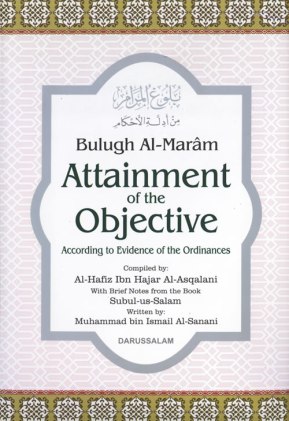
Study of Ahadeeth in Kitâb as-Siyâm (Book of Fasting) – Bulugh al-Maram min Adillat al-Ahkam, (Attainment of the Objective According to Evidences of the Ordinances) by al-Hafidh ibn Hajar al-Asqalani.

Explained by Dr. Saleh as Saleh rahimahullaah based on the explanation of Shaykh Uthaymeen rahimahullaah

Ahaadeeth in Book of Fasting (Bulugh Al Maraam) 

Related Links:


Tawheed: Its Meaning and Categories – Shaykh Ibn Uthaymeen

Tawheed: Its Meaning & Categories
تعريف التوحيد :Original Title
Author: Muhammad Ibn Saalih Al-‘Uthaymeen
Source: Fataawaa Arkaan Al-Islaam (Question No. 1)
Translated by: Abu az-Zubayr Harrison – authentic-translations.com

Contents

Taweed Ar-Ruboobiyyah
Tawheed Al-Uloohiyyah
Tawheed Al-Asmaa was-Sifaat

Click the below link to read or download the full document

Tawheed – Its Meaning and Categories – Shaykh Ibn Uthaymeen [PDF]