Understanding Worship (Fiqh ul-‘Ibadah) – Shaykh Uthaymeen | Dr Saleh as Saleh

Click the Below Link to Read or Download the PDF

Audio

Contents of this e-Book

Introduction by Dr. Saleh as-Saleh rahimahullaah

Questions & Answers

The Tawheed and Belief
The Purpose Behind The Creation Of Mankind

Question 1: What is the purpose of creating mankind?

Question 2: Is there a meaning for ‘Ibaadah (worship) such that it is possible for us to know of? Does it have a general and a specific meaning?

Question 3: Would those specifically choosing al-’Ibaadah al-Kawniyyah and excluding al-’Ibaadah ash-Shar’iyya, be rewarded?

The First Obligation upon the Slaves [of Allaah]

Question 4: What is the first obligation upon the creation?

The Relation of the Shaadah with the Types of Tawheed.

Question 5: But does the Shahaadah Comprise the Types of Tawheed?

The Meaning of Tawheed.

Question 6: What is the Meaning Tawheed?
Question 7: In General, What are the Types of Tawheed ?
Question 8: What are the Types of Tawheed? Please Clarify and Give Examples.

The Importance of Tawheed Al-Asmaa’ was Sifaat

Question 9: We would like some more details about this type of Tawheed i.e. Tawheed al-Asmaa’ was Sifaat.

The obligations Towards Each Type Tawheed

Question 10: What is obligatory upon us towards each of the types alone?

The Danger in Worshipping other than Allaah

Question 11: What is the ruling on directing any kind of worship to other than Allaah, The One free of all imperfections?

The Meaning of Ash-Shahaadataan

Question 12: What is the meaning of Ash-Shahaadataan: La Ilaaha Illallaah and Muhammad Rasoolulaah.

The Meaning of The Shahaadah: Muhammad is the Messenger of Allaah.

Question 13: You explained the meaning of the Shahaadah: La Ilaaha Illallaah. So, what is the meaning of the Shahaadha: Muhammad Rasoolullaah

The Difference Between the Profession with the Tongue and the Profession with the Heart

Question 14: However, what is the difference between the profession of the testimony of faith with the tongue and its profession with the heart? Is it obligatory to profess both?

A Doubt and its Rebuttle
Question 15: What lead to this question is that nowadays there is a group of people when they are called to worship Allaah they say: “Allaah is the Rabb of the hearts.” We would like also that you comment on this response?

The Meaning of Eemaan
Question 16: Briefly, what is the meaning of Eemaan [faith] and its pillars.

The Relation of Eemaan to the Hadeeth of Jibreel (alaihissalam)
Question 17: Is the aforementioned meaning the same as that which came in Prophet’s (alaihissalam) answer to Jibreel’s question about Eemaan?

Question 18: If a person is asked about Eemaan, should he say that it means the attestation that obligates acceptance and submission, or should he say that it means to believe in Allaah, His Angels, His Books, and His Messengers as the Messenger صَلَّى اللّٰهُ عَلَيْهِ وَسَلَّم explained?

The Meaning of Eemaan And Its Pillars
Question 19: We would like to expound on the meaning of Eemaan and also know of its pillars?

How to Respond to the Dahrees
Question 20: We know that the Dahrees, who are many nowadays and who are considered from the intellect because they think and infer, are agreed upon the belief in the non-existence of Allaah, The Mighty and Majestic. So, how to respond to people like this?

The Eemaan (Belief) and its Pillars
Question 21: What are the Pillars of Eemaan?

The Belief in the Angels
Question 22: Are there other things related to the belief in the angels?

The Belief in the Books
Question 23: What about the Third Pillar of Eemaan?

The Belief in the Messengers
Question 24: What do you say regarding the Fourth Pillar of Eemaan–Belief in the Messengers?

The Belief in the Last Day
Question 25: How can the belief in the Last Day be?

The Belief in al-Qadar
Question 26: What about the pillar of belief in al-Qadar.

The Increase and Decrease of Eemaan (Faith)

Question 27: Does Eemaan increase or decrease? What are the things that make it increase or decrease?

Question 28: There are those of the opinion that Eemaan neither increases nor decreases, and that sin wipes out Eemaan entirely, and that the person who commits it becomes a Kaafir! How to respond to those people?

Denying that Eemaan Increases and Decreases

Question 29: But what is the Islamic Ruling vis-à-vis the unattestation to the increase and decrease of faith?

The Manner of Judging by other than that which Allaah has revealed

Question 30: What is the manner of judging by other than what Allaah has revealed?

The Difference Between the Thaalim (Transgressor) and Faasiq (Disobedient Sinner`)

Question 31: You mentioned, however, about the Faasiq and the Thaalim things that are close, or possibly intermixed. And it is that the Thaalim rules by that which Allaah has not sent down whilst knowing that Allaah’s Judgment is better. But that he intends to gratify his thirst for revenge from someone. So he applies a judgment on someone that Allaah has not approved of. And then the Faasiq rules while knowing the Judgment of Allaah and that it is the right Judgment, but because of his own interest or lowly desire, or due to a certain bias to fulfill the desires of someone else, he rules by that which Allaah has not sent down. So what is the difference between the two?

SOOTHSAYING (Fortune-Telling)
Question 32: What is Soothsaying?

The Ruling Regarding Those Who go to Diviners
Question 33: It would be nice if we could know of the status of people who go to fortune-tellers.

Astrology and Its Ruling
Question 34: What is astrology (At-Tanjeem) and it’s ruling?

The Relation of Astrology with Fortune-Telling
Question 36: Is there a connection between astrology and divination?

Which One is More Dangerous?
Question 37: Which one, however, is more dangerous on the Muslims?

The Reality of Magic

Question 38: You mentioned in your talk that astrology is a form of magic, so what is magic?

Question 39: What is meant by subtleness in your saying, “Magic is everything that is subtle and whose cause is hidden”?

Question 40: What is the legal judgment regarding magic and its learning?

Is There a Reality to Magic?

Question 41: Is magic a true thing, or it is just conveying doubts, and fantasies to the people?

The Relation of Divination with Magic

Question 42: You mentioned divination and you defined the fortune-teller as well as the magician. Is there, however, a connection between divination and magic?

Was the Prophet (صَلَّى اللّٰهُ عَلَيْهِ وَسَلَّم ) Bewitched?

Question 43: It was reported from the Prophet (صَلَّى اللّٰهُ عَلَيْهِ وَسَلَّم) that he was bewitched. So we would like you to talk about the means by which he (صَلَّى اللّٰهُ عَلَيْهِ وَسَلَّم) was bewitched. Furthermore, is it contradictory to the status of Prophethood that bewitchment of the Prophet (صَلَّى اللّٰهُ عَلَيْهِ وَسَلَّم) took place?

The Reality of Ilhaad?

Question 44: What is Ilhaad–concerning Allaah’s Names and Attributes?

Types of Shirk

Question 45: Shall we then change [the topic] from knowledge concerning the types of Ilhaad to that regarding knowledge of the types of Shirk?

Defining the Types of Shirk

Question 46: We knew the types of shirk, but is there a specific definition for each type of it?

Is the relinquishing of worship called Shirk?

Question 47: It was mentioned, as in the narration reported by Saheeh Muslim, the saying of the Prophet (صَلَّى اللّٰهُ عَلَيْهِ وَسَلَّم): “Verily between man and between Shirk and Kufr (unbelief) is the abandonment of prayers.” –Is the abandonment of worship considered Shirk?

The Reality of the Deen of Islaam?

Question 48: What is the Religion of Islaam?

Question 49: So should we then understand that we have a general and a particular definition of Islaam?

The Taaghut and Its Types?

Question 50: What is the meaning of at-Taaghut and its derivations?

The Creed of the Muslims Regarding ‘Eesaa (Jesus alaihissalam)?

Question 51: What is the creed of the Muslims with regard to ‘Eesaa, son of Maryam? Also what is the ruling as to the saying that he was killed and crucified.

The Division of the Ummah

Question 52: What is the extent of the split up within the Ummah after the death of its Prophet Muhammad (صَلَّى اللّٰهُ عَلَيْهِ وَسَلَّم)?

The Characteristics of the Saved Group

Question 53: What is the most distinguished qualities of the saved group?

Question 54: Is it necessary that the characteristics in the four matters: ‘Aqeedah, worship, manners and transaction be totally or completely present without diminution? And in case anything of it is gets diminished, does this take the person out of the folds of the saved group or it doesn’t ?

Question 55: Is there something you want to add concerning the qualities of the saved sect?

The Correct and False Tawassul

Question 56: What is the correct and false Tawassul ?

A Fifth Kind of Tawassul

Question 57: Are there any other types of Tawassul in addition to the four that you have mentioned?

The Incorrect and Futile Tawassul and its Types.

Question 58: Having known the Correct Tawassul and its Types, then it is inevitable for us to know the Incorrect Tawassul and its Types.

The Affirmed and Annulled Intercession.
Question 59: What is the affirmed and nullified intercession?

The Creed of The Salaf with Regard to the Noble Qur’aan

Question 60: What is the creed of the Righteous Predecessors regarding the Noble Qur’aan?

The Most Prominent Rulings Regarding The Qur’anic Recital

Question 61: What is the most distinguished ruling of Qur’anic Recital?

The Recitation of Soorat al-Faatihah For the Prophet’s (صَلَّى اللّٰهُ عَلَيْهِ وَسَلَّم)Soul

Question 62: As regard those who bequeath that the Faatihah be recited on behalf of the Prophet’s soul, or on his behalf by the Prophet’s grave?

Appendix
Definition of Taaghut
Every Kufr is Taaghut, but not every Taaghut is Kufr
Very Important to Remember


Al-Wasiyyah As-Sughrah – The Concise Admonition (Legacy) – Ibn Taymiyah – Dr Saleh as Saleh [Audio|En]

In this series, Dr. Saleh As-Saleh explains Al-Wasiyyah As-Sughrah (Concise Admonition) authored by Shaikh Al-Islam Ibn Taymeyyah. Dr. Saleh As-Saleh handles some issues such as: taqwa, wisdoms behind creation of sins, repentance, resemblance to ways of Jews and Christians, sins and their consequences, trials and calamities expiating sins, best actions after the obligatory ones, remembrance of Allah and du’a and wisdoms of delay in response.

The following benefits are extracted from these audio series:

Rulings on Natural Blood of Women – Shaykh Uthaymeen – Dr Saleh as Saleh [Audio|En]

Book

Click on the below link to read or download the Book
Natural Blood of Women – Shaykh Uthaymeen – Dr Saleh As-Saleh [PDF]

Audio

Natural Blood of Women – Ch 1 to 3 – Author is Shaykh Ibn Al-‘Uthaymeen – Saleh-As-Saleh
[audio https://salafiaudio.files.wordpress.com/2014/09/natural-blood-of-women-ch-1-to-3-author-is-shaykh-ibn-al-uthaymeen-saleh-as-saleh.mp3]

Natural Blood of Women – Ch 4 – Rulings Related to Menses – part 1 – Saleh-As-Saleh
[audio https://salafiaudio.files.wordpress.com/2014/09/natural-blood-of-women-ch-4-rulings-related-to-menses-part-1-saleh-as-saleh.mp3]

Natural Blood of Women – Ch 4 – Rulings Related to Menses – part 2 – Saleh-As-Saleh
[audio https://salafiaudio.files.wordpress.com/2014/09/natural-blood-of-women-ch-4-rulings-related-to-menses-part-2-saleh-as-saleh.mp3]

Natural Blood of Women – Ch 4 – Rulings Related to Menses – part 3 – Saleh-As-Saleh
[audio https://salafiaudio.files.wordpress.com/2014/09/natural-blood-of-women-ch-4-rulings-related-to-menses-part-3-saleh-as-saleh.mp3]

Tafseer – Explanation Surah 49 Al-Hujuraat – Dr Saleh as Saleh [Audio|En]

1.O you who believe! Do not put (yourselves) forward before Allah and His Messenger (sallallaahu alaihi wa sallam), and fear Allah. Verily! Allah is All-Hearing, All-Knowing.

2. O you who believe! Raise not your voices above the voice of the Prophet (sallallaahu alaihi wa sallam), nor speak aloud to him in talk as you speak aloud to one another, lest your deeds may be rendered fruitless while you perceive not.

Tafseer – 49. Al-Hujuraat – 01 to 02 – Saleh-As-Saleh

3. Verily! Those who lower their voices in the presence of Allah’s Messenger (sallallaahu alaihi wa sallam), they are the ones whose hearts Allah has tested for piety. For them is forgiveness and a great reward.

4. Verily! Those who call you from behind the dwellings, most of them have no sense.

5. And if they had patience till you could come out to them, it would have been better for them. And Allah is Oft-Forgiving, Most Merciful.

6. O you who believe! If a rebellious evil person comes to you with a news, verify it, lest you harm people in ignorance, and afterwards you become regretful to what you have done.

7. And know that, among you there is the Messenger of Allah (sallallaahu alaihi wa sallam). If he were to obey you (i.e. follow your opinions and desires) in much of the matter, you would surely be in trouble, but Allah has endeared the Faith to you and has beautified it in your hearts, and has made disbelief, wickedness and disobedience (to Allah and His Messenger sallallaahu alaihi wa sallam) hateful to you. These! They are the rightly guided ones,

8. (This is) a Grace from Allah and His Favour. And Allah is All-Knowing, All-Wise.

Tafseer – 49. Al-Hujuraat – 03 to 08 – Saleh-As-Saleh

9. And if two parties or groups among the believers fall to fighting, then make peace between them both, but if one of them rebels against the other, then fight you (all) against the one that which rebels till it complies with the Command of Allah; then if it complies, then make reconciliation between them justly, and be equitable. Verily! Allah loves those who are equitable.

10. The believers are nothing else than brothers (in Islamic religion). So make reconciliation between your brothers, and fear Allah, that you may receive mercy.

Tafseer – 49. Al-Hujuraat – 09 to 10 – Saleh-As-Saleh

11. O you who believe! Let not a group scoff at another group, it may be that the latter are better than the former; nor let (some) women scoff at other women, it may be that the latter are better than the former, nor defame one another, nor insult one another by nicknames. How bad is it, to insult one’s brother after having Faith [i.e. to call your Muslim brother (a faithful believer) as: “O sinner”, or “O wicked”, etc.]. And whosoever does not repent, then such are indeed Zalimun (wrong-doers, etc.).

Tafseer – 49. Al-Hujuraat – 11 – Saleh-As-Saleh

12. O you who believe! Avoid much suspicions, indeed some suspicions are sins. And spy not, neither backbite one another. Would one of you like to eat the flesh of his dead brother? You would hate it (so hate backbiting) . And fear Allah. Verily, Allah is the One Who accepts repentance, Most Merciful.

Tafseer – 49. Al-Hujuraat – 12 – Saleh-As-Saleh

13. O mankind! We have created you from a male and a female, and made you into nations and tribes, that you may know one another. Verily, the most honourable of you with Allah is that (believer) who has At-Taqwa [i.e. one of the Muttaqun (pious – see V.2:2)]. Verily, Allah is All-Knowing, All-Aware.

14.  The bedouins say: “We believe.” Say: “You believe not but you only say, ‘We have surrendered (in Islam),’ for Faith has not yet entered your hearts. But if you obey Allah and His Messenger (sallallaahu alaihi wa sallam), He will not decrease anything in reward for your deeds. Verily, Allah is Oft-Forgiving, Most Merciful.”

15. Only those are the believers who have believed in Allah and His Messenger, and afterward doubt not but strive with their wealth and their lives for the Cause of Allah. Those! They are the truthful.

Tafseer – 49. Al-Hujuraat – 13 to 15 – Saleh-As-Saleh

16. Say: “Will you inform Allah about your religion? While Allah knows all that is in the heavens and all that is in the earth, and Allah is All-Aware of everything.

17. They regard as favour upon you (O Muhammad sallallaahu alaihi wa sallam) that they have embraced Islam. Say: “Count not your Islam as a favour upon me. Nay, but Allah has conferred a favour upon you, that He has guided you to the Faith, if you indeed are true.

18. Verily, Allah knows the unseen of the heavens and the earth. And Allah is the All-Seer of what you do.

Tafseer – 49. Al-Hujuraat – 16 to 18 – Saleh-As-Saleh

Translations taken from the Noble Quran by Dr. Muhammad Taqi-ud-Din Al-Hilali, Ph.D. & Dr. Muhammad Muhsin Khan

Tafseer – Explanation Surah 36 Yaa-Seen – Dr Saleh as Saleh [Audio|En]

Based Upon the Tafseer of Shaykh Ibn Al-‘Uthaymeen rahimahullaah

  1. Tafseer – 36. Ya Seen – Aayah 01 to 04
  2. Tafseer – 36. Ya Seen – Aayah 05
  3. Tafseer – 36. Ya Seen – Aayah 06
  4. Tafseer – 36. Ya Seen – Aayah 07 to 09
  5. Tafseer – 36. Ya Seen – Aayah 10 to 11
  6. Tafseer – 36. Ya Seen – Aayah 12
  7. Tafseer – 36. Ya Seen – Aayah 13 to 17
  8. Tafseer – 36. Ya Seen – Aayah 18 to 19
  9. Tafseer – 36. Ya Seen – Aayah 20 to 22
  10. Tafseer – 36. Ya Seen – Aayah 23
  11. Tafseer – 36. Ya Seen – Aayah 24 to 27
  12. Tafseer – 36. Ya Seen – Aayah 28 to 30
  13. Tafseer – 36. Ya Seen – Aayah 31 to 35
  14. Tafseer – 36. Ya Seen – Aayah 35 continued
  15. Tafseer – 36. Ya Seen – Aayah 36 to 38
  16. Tafseer – 36. Ya Seen – Aayah 39 to 41
  17. Tafseer – 36. Ya Seen – Aayah 42 to 46
  18. Tafseer – 36. Ya Seen – Aayah 47 to 51
  19. Tafseer – 36. Ya Seen – Aayah 52 to 54
  20. Tafseer – 36. Ya Seen – Aayah 55 to 56
  21. Tafseer – 36. Ya Seen – Aayah 57 to 58
  22. Tafseer – 36. Ya Seen – Aayah 59 to 61
  23. Tafseer – 36. Ya Seen – Aayah 62 to 63
  24. Tafseer – 36. Ya Seen – Aayah 64 to 65
  25. Tafseer – 36. Ya Seen – Aayah 66 to 68
  26. Tafseer – 36. Ya Seen – Aayah 69
  27. Tafseer – 36. Ya Seen – Aayah 70 to 71 – part 1 – Hands of Allaah
  28. Tafseer – 36. Ya Seen – Aayah 71 – part 2 – Attributes
  29. Tafseer – 36. Ya Seen – Aayah 72 to 73
  30. Tafseer – 36. Ya Seen – Aayah 74 to 75
  31. Tafseer – 36. Ya Seen – Aayah 76 to 79
  32. Tafseer – 36. Ya Seen – Aayah 80 to 83

Tafseer – Explanation Surah 31 Luqman (Verses 6 – 19) – Dr Saleh as Saleh [Audio|En]

Explanation of Verses 6 to 19 from Surah Luqman

Listen / Download Mp3 Here (Time 32:00)

6. And of mankind is he who purchases idle talks (i.e.music, singing, etc.) to mislead (men) from the Path of Allah without knowledge, and takes it (the Path of Allah, the Verses of the Qur’an) by way of mockery. For such there will be a humiliating torment (in the Hell-fire).

7. And when Our Verses (of the Qur’an) are recited to such a one, he turns away in pride, as if he heard them not, as if there were deafness in his ear. So announce to him a painful torment.

8. Verily, those who believe (in Islamic Monotheism) and do righteous good deeds, for them are Gardens of delight (Paradise).

9. To abide therein. It is a Promise of Allah in truth. And He is the All-Mighty, the All-Wise.

10. He has created the heavens without any pillars, that you see and has set on the earth firm mountains, lest it should shake with you. And He has scattered therein moving (living) creatures of all kinds. And We send down water (rain) from the sky, and We cause (plants) of every goodly kind to grow therein.

11. This is the creation of Allah. So show Me that which those (whom you worship), besides Him have created. Nay, the Zalimun (polytheists, wrong-doers and those who do not believe in the Oneness of Allah) are in plain error.

12. And indeed We bestowed upon Luqman Al-Hikmah (wisdom and religious understanding, etc.) saying: “Give thanks to Allah,” and whoever gives thanks, he gives thanks for (the good of) his ownself. And whoever is unthankful, then verily, Allah is All-Rich (Free of all wants), Worthy of all praise.

13. And (remember) when Luqman said to his son when he was advising him: “O my son! Join not in worship others with Allah. Verily! Joining others in worship with Allah is a great Zulm (wrong) indeed.

14. And We have enjoined on man (to be dutiful and good) to his parents. His mother bore him in weakness and hardship upon weakness and hardship, and his weaning is in two years give thanks to Me and to your parents, unto Me is the final destination.

15. But if they (both) strive with you to make you join in worship with Me others that of which you have no knowledge, then obey them not, but behave with them in the world kindly, and follow the path of him who turns to Me in repentance and in obedience. Then to Me will be your return, and I shall tell you what you used to do.

16. “O my son! If it be (anything) equal to the weight of a grain of mustard seed, and though it be in a rock, or in the heavens or in the earth, Allah will bring it forth. Verily, Allah is Subtle (in bringing out that grain), Well-Aware (of its place).

17. “O my son! Aqim-is-Salat (perform As-Salat), enjoin (people) for Al-Ma’ruf (Islamic Monotheism and all that is good), and forbid (people) from Al-Munkar (i.e. disbelief in the Oneness of Allah, polytheism of all kinds and all that is evil and bad), and bear with patience whatever befall you. Verily! These are some of the important commandments ordered by Allah with no exemption.

18. “And turn not your face away from men with pride, nor walk in insolence through the earth. Verily, Allah likes not each arrogant boaster.

19. “And be moderate (or show no insolence) in your walking, and lower your voice. Verily, the harshest of all voices is the voice (braying) of the ass.”

Translated into the modern English Language by
Dr. Muhammad Taqi-ud-Din Al-Hilali, Ph.D. & Dr. Muhammad Muhsin Khan

Umdatul Ahkaam – Book of Fasting – Dr. Saleh as Saleh [Audio|En]

The Reliance of Rulings is a collection of authentic hadeeth of Fiqh relevance. A great work by al Imaam Taqiyy-ud-Deen ‘Abdul Ghani bin ‘Abdul Waahis bin ‘Ali Al-Maqdisee.

Explanation is based upon Shaykh Ibn Al-‘Uthaymeen rahimahullaah, Shaykh ‘Abdullaah Al-Bassaam, Shaykh Dr Sami As-Sughair

Umdatul Ahkaam – Fasting – 178 – Day of Doubt – Exceptions – Saleh-As-Saleh

Umdatul Ahkaam – Fasting – 179 – Hilal of Ramadan – Hilal of Shawwal – Saleh-As-Saleh

Umdatul Ahkaam – Fasting – 180 – Blessing in Taking Sahuur – Saleh-As-Saleh

Umdatul Ahkaam – Fasting – 181 – Delay Sahuur – 182 – Fasting and State of Janaba – Saleh-As-Saleh

Umdatul Ahkaam – Fasting – 183 – Unintentional Eating or Drinking – Saleh-As-Saleh

Umdatul Ahkaam – Fasting – 184 – Expiation for Intercourse While Fasting – part 2 – Saleh-As-Saleh

Umdatul Ahkaam – Fasting – 184 – Expiation forl Intercourse While Fasting – part 1 – Saleh-As-Saleh

Umdatul Ahkaam – Fasting – 185-6 – Fasting for the Traveler – part 1 – Saleh-As-Saleh

Umdatul Ahkaam – Fasting – 187-8 – Fasting for the Traveler – part 2 – Saleh-As-Saleh

Umdatul Ahkaam – Fasting – 189 – Fasting for the Traveler – part 3 – Saleh-As-Saleh

Umdatul Ahkaam – Fasting – 190 – Making Up Missed Days – stops suddenly – Saleh-As-Saleh

Umdatul Ahkaam – Fasting – 191 – Making Up Missed Days of Relatives – part 1 – Saleh-As-Saleh

Umdatul Ahkaam – Fasting – 192 – Making Up Missed Days of Relatives – part 2 – Saleh-As-Saleh

Umdatul Ahkaam – Fasting – 193-4 – Delay Sahuur – Hasten Iftaar – 195-6 – No Wisal – Saleh-As-Saleh

Umdatul Ahkaam – Fasting – 197 – Voluntary Fast – part 1 – Saleh-As-Saleh

Umdatul Ahkaam – Fasting – 198-9 – Voluntary Fast – part 2 – Saleh-As-Saleh

Umdatul Ahkaam – Fasting – 200-1 – Don’t Single Out Friday as a Fasting Day – Saleh-As-Saleh

Umdatul Ahkaam – Fasting – 202 – Fasting Is Forbidden on the Two ‘Eids – Saleh-As-Saleh

Umdatul Ahkaam – Fasting – 203-4 – No Fasting on Days of ‘Eid – Reward of Fasting – Saleh-As-Saleh

Umdatul Ahkaam – Fasting – 205 – Seeking Laylatul Qadr – part 1 – Saleh-As-Saleh

Umdatul Ahkaam – Fasting – 206 – Seeking Laylatul Qadr – part 2 – Saleh-As-Saleh

Umdatul Ahkaam – Book of Purification – Dr. Saleh as Saleh [Audio|En]

Bismillaah

The Reliance of Rulings is a collection of authentic hadeeth of Fiqh relevance. A great work by al Imaam Taqiyy-ud-Deen ‘Abdul Ghani bin ‘Abdul Waahid bin ‘Ali Al-Maqdisee.

Explanation is based upon Shaykh Ibn Al-‘Uthaymeen rahimahullaah, Shaykh ‘Abdullaah Al-Bassaam, Shaykh Dr Sami As-Sughair

The follow benefits are extracted from these audio series:

Umdatul Ahkaam : Book of Salaah – Dr. Saleh as Saleh [Audio Series|En]

“The Reliance of Rulings” is a collection of authentic hadeeth of Fiqh relevance. A great work by al Imaam Taqiyy-ud-Deen ‘Abdul Ghani bin ‘Abdul Waahis bin ‘Ali Al-Maqdisee.

The book, “Umdatul-Ahkaam”, is compiled by hadeeths only from the Saheehs of Imaam Bukhaaree and Imaam Muslim. The majority of the hadeeths in “Umdatul- Ahkaam” are Muttafaqoon ‘alayh (agreed upon): meaning that they are recorded by both Sheikhs, in their respectable Saheehs. There are very few hadeeths in this book which are only reported by Imaam Bukhaaree or only by Imaam Muslim. Therefore, all the hadeeths of “Umdatul-Ahkaam” are authentic hadeeths.

Explanation is based upon Shaykh Ibn Al-‘Uthaymeen rahimahullaah, Shaykh ‘Abdullaah Al-Bassaam, Shaykh Dr Sami As-Sughair

Note: Audio files for Umdatul Ahkaam Salah Hadith # 75 – 92 are not available

The following posts are extracted from the Audio Series

Sujuud As-Sahw – Prostrations of Forgetfulness – Dr. Saleh as Saleh [Audio|En]

Summary of Prostrations of Forgetfulness – 1- Additions- Saleh-As-Saleh

Summary of Prostrations of Forgetfulness – 2- Omissions- Saleh-As-Saleh

Summary of Prostrations of Forgetfulness – 3- Doubts Situations – Examples- Saleh-As-Saleh

Summary of Prostrations of Forgetfulness – 4- Droping – Repetition – etc- Saleh-As-Saleh

Summary of Prostrations of Forgetfulness – 5- Imaam – Ma-muum – Masbuuq- Saleh-As-Saleh


Points of Benefit in Salah – Dr Saleh as Saleh [Audio Series|En]

Bismillaah

Salah Described – Dr. Saleh as Saleh [Audio|En]

Benefits mainly from the works of Ahlul ‘Ilm {Shaykh Bin Baaz, Shaykh al-Albaani, Shaykh Uthaymeen and others, rahimahumullaah} are incorporated as deemed fit.

Tashahud

Matters which are disliked to be done in Salah

Matters that may be done in Salah

Sutrah

Rukn (Pillars) of Salah

Congregational Prayer

Imaamah in Salah

Sourcehttp://understand-islam.net/

Salah in Islam – Dr. Saleh as Saleh [Audio|En]

Salaah in Islam – The Secrets of Salaah – Imaam Ibnul Qayyim – Saleh-As-Saleh

Salaah in Islam – The Salaah In Islam – Saleh-As-Saleh

Salaah in Islam – Its Importance and Rank – Saleh-As-Saleh

Salaah in Islam – Its Distinction and Character – Saleh-As-Saleh

Salaah in Islam – The Merits of Salaah – Saleh-As-Saleh

Salaah in Islam – The Prophet’s Prayer – Saleh-As-Saleh

Salaah in Islam – Voluntary Prayers – Saleh-As-Saleh

Salaah in Islam – Salaah Al Istikharah – Prayer For Guidance – Saleh-As-Saleh

Salaah in Islam – Wudhu Steps – Saleh-As-Saleh

Salaah in Islam – Ghusl – Description – Saleh-As-Saleh

Salaah in Islam – Witr Salaah – Description – Saleh-As-Saleh

Cleanliness – Ibn-Hajar Bulughul Maraam – Dr. Saleh as Saleh [Audio|En]

Tahara – Cleanliness

Bulugh Al-Maraam – 00 – Introduction to the Book – Saleh-As-Saleh 
Bulugh Al-Maraam – 01 – Sea Water Is Taharah – Saleh-As-Saleh 
Bulugh Al-Maraam – 02 – 03 – Changes of Smell Color or Taste of the Water – Saleh-As-Saleh 
Bulugh Al-Maraam – 04 – Purity or Impurity of Water – Saleh-As-Saleh 
Bulugh Al-Maraam – 05 – Flowing Water – Stagnant Water – part 1 – Saleh-As-Saleh 
Bulugh Al-Maraam – 05 – Flowing Water – Stagnant Water – part 2 – Saleh-As-Saleh 
Bulugh Al-Maraam – 06 – 07 – Water Left From Ghusl of Spouse – Saleh-As-Saleh 
Bulugh Al-Maraam – 08 – Purifying Ustensiles Touched by a Dog – Saleh-As-Saleh 
Bulugh Al-Maraam – Book of Behavior – Hadeeth 1 – Saleh-As-Saleh 

Kitâb as-Siyâm (Book of Fasting)|Bulugh al-Marâm|Shaykh Uthaymeen|Dr. Saleh as Saleh [Audio Series|En]

bulugh al maraam

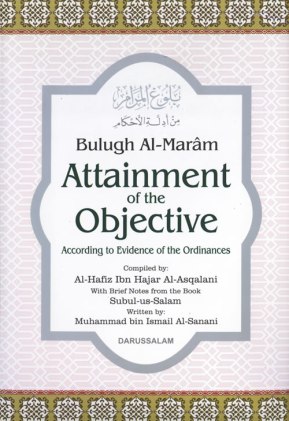
Study of Ahadeeth in Kitâb as-Siyâm (Book of Fasting) – Bulugh al-Maram min Adillat al-Ahkam, (Attainment of the Objective According to Evidences of the Ordinances) by al-Hafidh ibn Hajar al-Asqalani.

Explained by Dr. Saleh as Saleh rahimahullaah based on the explanation of Shaykh Uthaymeen rahimahullaah

Ahaadeeth in Book of Fasting (Bulugh Al Maraam) 

Related Links:


The Shahaadah (Testimony of Faith) – Meaning & Conditions – Dr. Saleh as Saleh [Audio|En]

Read :

The Shahaadah – Testimony of Faith – by Saleh As-Saleh [PDF]

Audio

01- The Shahaadah – Meaning – Pillars – Conditions – part 1 – Saleh As-Saleh

02- The Shahaadah – Meaning – Pillars – Conditions – part 2 – Saleh As-Saleh

03- The Shahaadah – Merits – Saleh As-Saleh

04- The Shahaadah – part 1 – laa ilaaha illa Allaah – Saleh As-Saleh

05- The Shahaadah – part 2 – Muhammad Rasuul Allaah – Saleh As-Saleh

06- Discussion on the Meaning of Shahaadah – Part 1 – Saleh As-Saleh

07- Discussion on the Meaning of Shahaadah – Part 2 – Saleh As-Saleh

Story of Prophet Yusha Bin Nun (Joshua) – Riyadus Saliheen- Dr.Saleh As-Saleh [Audio|En]

Listen / Download Mp3 Here (Time 32:46)

The following is posted from Riyadus Saliheen Published by Dar-us-Salam

Abu Hurairah (May Allah be pleased with him) reported that the Messenger of Allah (sallallaahu ’alayhi wa sallam) said:

“One of the earlier Prophets who was out on an expedition proclaimed among his people that no man should follow him who had married a woman with whom he wished to cohabit but had not yet done so, or who had built houses on which he had not yet put the roofs, or who had bought sheep or pregnant she-camels and was expecting them to produce young. He, then, went on the expedition and approached the town at the time of the ‘Asr prayer or little before it. He then told the sun that both it and he were under command and prayed Allah to hold it back for them, so it was held back till Allah gave him victory. He collected the spoils and it (meaning fire) came to devour these, but did not. He said that among the people there was a man who stole from the booty. He told them that a man from every tribe must swear allegiance to him, and when a man’s hand stuck to his, he said: “There is thief among you and every individual of your tribe must swear allegiance to me”. (In course of swearing of allegiance,) hands of two or three persons stuck to his hand. He said: “The thief is among you”. They brought him a head of gold like a cow’s head and when he laid it down, the fire came and devoured the spoils. Spoils were not allowed to anyone before us, then Allah allowed spoils to us as He saw our weakness and incapacity and allowed them to us”.

[Al-Bukhari and Muslim].

Commentary:

1. In the opinion of Imam As-Suyuti, the Prophet (sallallaahu ’alayhi wa sallam) referred to in this Hadith was Prophet Yusha` bin Nun (Joshua). His conduct shows that it is necessary to make suitable arrangements for the worldly needs of those who are engaged in the Cause of Allah so that they can concentrate on their struggle without any distraction.

2. The lawfulness of the booty of war fought in the way of Allah is a specialty of the Muslim Ummah. Before the advent of Islam (the Shar’iah of Prophet Muhammad (sallallaahu ’alayhi wa sallam)), the booty of war which was free from dishonesty used to be consumed by fire. This Hadith also confirms the miracle of the Prophet Yusha’ (Joshua) in which the movement of the sun was stopped until he had conquered the village.

Tafseer – Explanation Surah 18 Al-Kahf – Shaykh ibn Uthaymeen – Dr Saleh as Saleh [Audio|En]

Based Upon the Tafseer of Shaykh Ibn Al-‘Uthaymeen rahimahullaah

Tafseer – 18. Al-Kahf – 01 to 10 – Saleh-As-Saleh

Verses 11-19 – Not Available

Tafseer – 18. Al-Kahf – 20 to 24 – Saleh-As-Saleh

Verses 25-26 – Not Available

Tafseer – 18. Al-Kahf – 27 to 30 – Saleh-As-Saleh

Tafseer – 18. Al-Kahf – 30 to 40 – Saleh-As-Saleh

Tafseer – 18. Al-Kahf – 41 to 44 – Saleh-As-Saleh

Tafseer – 18. Al-Kahf – 45 to 48 – Saleh-As-Saleh

Tafseer – 18. Al-Kahf – 49 to 51 – Saleh-As-Saleh

Tafseer – 18. Al-Kahf – 51 to 52 – Saleh-As-Saleh

Tafseer – 18. Al-Kahf – 52 to 57 – Saleh-As-Saleh

Tafseer – 18. Al-Kahf – 57 to 73 – – Saleh-As-Saleh

Tafseer – 18. Al-Kahf – 74 to 83 – Saleh-As-Saleh

Tafseer – 18. Al-Kahf – 83 to 86 – Saleh-As-Saleh

Tafseer – 18. Al-Kahf – 86 to 97 – Saleh-As-Saleh

Tafseer – 18. Al-Kahf – 98 – Saleh-As-Saleh

Tafseer – 18. Al-Kahf – 99 to 105 – Saleh-As-Saleh

Principles of Tafseer – Shaykh Ibn Uthaymeen – Dr Saleh as Saleh [Audio|En]

Principles of Tafseer: is the science that look into the rules of explaining the Quran. This series is based on the book ’Usool Al-Tafseer’ for Shaikh Muhammad Bin Saleh Al-Othaimeen (may Allah’ mercy be on him)

  1. Introduction – Definition
  2. Pre- and Post-Hijrah Revelation
  3. Reasons for Revelation
  4. Arrangement and Compilation
  5. Foundation – Meaning
  6. Mufassiruun – Companions
  7. Impossibility of Contradictions
  8. Oaths in the Quraan
  9. Narrations
  10. Israelites
  11. Translations of the Quraan
  12. Types of Abrogations
  13. Israelites
  14. Clear Verses and Others Verses

Tafseer – Explanation of Surah Al-Faatihah – Dr Saleh as Saleh [Audio|En]

Listen / Download Mp3 Here (Time 42:48)

A Concise Interpretation of the Opening Surah of the Quraan, Al-Fatihah [PDF]
Based upon the Tafseer of Shaykh Ibn Al’Uthaymeen, rahimahullaah

The Opening Soorah (Chapter)

This Soorah has been named Al-Faatihah (The Opening) because the Grand Qur’aan is commenced therewith. It is also called Al-Mathaanee (repeatedly recited verses) because it is recited in every Rak’ah (unit of prayer), and it has other names as well.

1. { بِسْمِ اللَّهِ الرَّحْمَٰنِ الرَّحِيمِ }I begin and commence [the task of recitation, or any other lawful task or affair] seeking the aid of the name of Allaah in the accomplishment [of the particular task] and in the pursuance of the right way [in the intended affair], and in petitioning for acceptance [of this or any other good deed].

{ الله } : Allaah is the ‘Alam (identifying name or title) of the Rabb, [01] the Blessed and the Most High, who, and non else besides Him, is worshipped rightfully and deservingly. This is the most particular name of the names of Allaah, the Most High, and cannot be applied to other than Him, the One free of all imperfection.

{ الرَّحْمَان } Ar-Rahmaan: The One whose Mercy encompasses the entire creation.

{ الرَّحِيم } Ar-Raheem: The One who has Mercy upon the believers. Both, Ar-Rahmaan and Ar-Raheem, are two names of the names of Allaah, the Most High.

2. { الْحَمْدُ لِلَّهِ رَبِّ الْعَالَمِينَ } This is a statement of praise which Allaah praised Himself with. Implicit therein is an ordinance to His slaves to celebrate His Praise, for He, alone, is the One worthy of [all] praise. And He, the One free of all imperfection (Subhaanahu), is the One who originated all of creation, the One who takes charge (guards, protects, maintains, etc.) of their affairs; the One who nurtures and sustains all of His creation with His favours and blessings, and His friends (awliyaa’) with eemaan (faith) and righteous deeds.

3. { الرَّحْمَانAr-Rahmaan: The One whose Mercy encompasses the entire creation.
{ الرَّحِيمAr-Raheem: The One who has Mercy upon the believers.

4. { مَالِكِ يَوْمِ الدِّينِ } : It is He [Allaah], the One free of all imperfection, the only Owner (and the only Ruling Judge) of the Day of Resurrection (Yawmul Qiyaamah) which is the Day of Requital of deeds. Restricting [His] Dominion to the Day of Recompense (Yawmuddeen) is because no one will claim [the ownership of] anything on the Day of Resurrection, and because no soul shall speak except by His [Allaah’s] Leave. In the Muslim’s recitation of this Aayah in every Rak’ah of his prayers, there is a reminder for him of the Last Day, and an incitement to make himself ready by doing righteous deeds and refraining from sinful and evil acts.

5. { إِيَّاكَ نَعْبُدُ وَإِيَّاكَ نَسْتَعِينُ }We solely single You out [O Allaah] with all acts of obedience and all worship, and to You alone we appeal for aid in all of our affairs, for indeed all the matters are in Your Hand, none [else] possess not even an ant’s weight of it!

In this Aayah there is proof that it is not permissible for the ‘Abd [slaveworshipper of Allaah] to direct anything from the types of worship except to Allaah alone. In it there is a healing for the hearts from the ailment of devotion to other than Allaah, and from the diseases of Riyaa’ (showing off in good works), vanity, and arrogance.

6. { اهْدِنَا الصِّرَاطَ الْمُسْتَقِيمَ }Show us, guide us, and grant us the ability to purse the Straight Path and make us firmly established upon it until we meet You. The Straight Path is Islaam, the clear Way leading to attain the Pleasure of Allaah and His Jannah (Paradise), and which the end (last) of Allaah’s Messenger and Prophets [i.e. Muhammad(صَلَّى اللّٰهُ عَلَيْهِ وَسَلَّم)] directed us to it. There can be no way for the ‘Abd to attain happiness except by being upright on it.

7. { صِرَاطَ الَّذِينَ أَنْعَمْتَ عَلَيْهِمْ غَيْرِ الْمَغْضُوبِ عَلَيْهِمْ وَلَا الضَّالِّينَ }The Way of those upon whom You have conferred Your Favours of the Prophets, the Siddeeqeen,[2] the martyrs, and the righteous. Indeed, they are the ones worthy of guidance and who deserve to be rightly directed. And make us not of those who pursed the way of those who were the objects of Allaah’s Anger (Al-Maghdoobi ‘Alayhim), the Jews and likewise, who knew the truth but did not apply it; nor of those who have gone astray, the ones who were misguided and consequently have strayed away for the right path. These are An-Nasaara (the Christians) and whoever follows their way.

In this du’aa (invocation) there is a cure for the Muslim’s heart from the ailment of Jahd (knowingly denying the truth), ignorance, and misguidance, and a proof that the greatest favour at all is that of Islaam. So whoever is more knowledgeable of the truth and more pursuant of it is more entitled to the Straight Path. Without a doubt that among mankind, aside from the Prophets ‘Alayhimus-Salaam, the companions of Allaah’s Messenger (صَلَّى اللّٰهُ عَلَيْهِ وَسَلَّم) have the best claim to this [Path]. Indeed, the Aayah proves their excellence and their great rank and standing, Radiyallaahu ‘Anhum (may Allaah be pleased with them).

It is praiseworthy for the reader to say “Aameen” after the recitation of Al-Faatihah which means “O Allaah, respond.” It is not, however, an Aayah of Sooarat Al-Faatihah as this is agreed upon by the scholars. For this reason they unanimously agreed that it is not to be written in the copies (Masaahif, sing. Mus’haf) of the Noble Qur’aan.

The slave hoping for Allaah’s Mercy and Forgiveness
Saleh As-Saleh, 1421 A.H
Revised 3rd of Dhul Qi’dah, 1427, Nov. 24th 2006

Footnotes:

[1] Rabb: Allaah is sole Rabb: He is the One Who gave all things the power to grow, to move and to change, to Whom belongs the Creation and Commandment; the Master Who has no equal in His Sovereignty, Predominance, and Highness, the One Who Provides for and Sustains all that exists, and who brings into existence things from nothing. The word “Lord” used in translating the word Rabb into the English Language, is not truly equivalent to the comprehensive meaning of the name Ar-Rabb.

[2] Siddeeqeen (Sing. Siddeeq): One who eminently, or always, accepting, or confirming the truth in his saying, belief, and deeds. They are the followers of the Prophets who were first and foremost to believe in them, like Abu Bakr As-Siddeeq, Radiyallaahu ‘Anhu.

Related Linkhttps://abdurrahman.org/tafseer-ul-quran