Listen / Download Mp3 Clip Here (Time 11:59)
Source: From class #1 of Hajj – Al-Mulakhas al-Fiqhi – Shaykh Saalih al-Fawzaan | Abu Muhammad al-Maghribee [Audio|En] (12 Mp3)
Islamic Knowledge – Islam, Sunnah, Salafiyyah

Listen / Download Mp3 Clip Here (Time 11:59)
Source: From class #1 of Hajj – Al-Mulakhas al-Fiqhi – Shaykh Saalih al-Fawzaan | Abu Muhammad al-Maghribee [Audio|En] (12 Mp3)
Delivered on 15th August 2015
This lecture is on Ihsaan, based on a work by Shaykh Saalih al-Fawzaan hafidhahullah.
Listen / Download Mp3 Here (Time 57:49)
[audio https://salafiaudio.files.wordpress.com/2015/08/inciting-the-muslims-to-reach-ihsaan-150815-abu-muhammad-al-maghribee.mp3]
Posted from: http://followthesalaf.com
Related Links :
Ihsaan is a Separate Pillar – Shaikh Muhammad ibn Abdul-Wahhab al-Wasabi
Al Ihsaan – Shaykh ibn Uthaymeen
http://mtws.posthaven.com/misyaar-mar…
Translated by Rasheed ibn Estes Barbee حفظه الله
Video Courtesy: Bilal Nahim
Translator’s Note: Misyaar marriage is where a man does an Islamic marriage contract with a woman, meeting the conditions of marriage, but the woman gives up some of her rights such as accommodation, maintenance, or the husband’s staying overnight with her
Tags: Misyaar Marriage , Misyar Marriage, Nikah al-Misyar
When the Ignorant Speak about Fitnah it Increases the Fitnah – Shaykh Saalih Al-Fawzaan حفظه الله
http://mtws.posthaven.com/when-the-ig…
Translated by Rasheed ibn Estes Barbee حفظه الله
Video Courtesy: Bilal Nahim
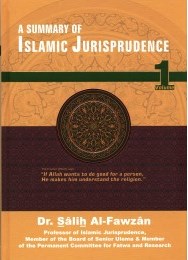 This is the weekly Monday evening class on the book Al-Mulakhas al-Fiqhi (A Summary of Islamic Jurisprudence) by Shaykh Salih al-Fawzan.
We continue with the Book of Hajj, Chapter 11: Aqiqah (Sacrifice Offered at the Time of the Birth of a Child)
You may download a copy of the original Arabic text here: الملخص الفقهي
As with all of our classes at Masjid Tawheed in Stone Mountain, GA, we encourage you to join us. If you are not able to attend in person, please feel free to listen in via our Spreaker channel or our telelink line at 712-432-2856.
Listen / Download Mp3 Here (Time 50:53)
Posted from: http://followthesalaf.com
http://mtws.posthaven.com/how-can-you…
Translated by Rasheed ibn Estes Barbee حقظه الله
Video Courtesy: Bilal Nahim
 These are the lectures based on the book Al-Mulakhas al-Fiqhi (A Summary of Islamic Jurisprudence) by Shaykh Salih al-Fawzan.
You may download a copy of the original Arabic text here: الملخص الفقهي
As with all of our classes at Masjid Tawheed in Stone Mountain, GA, we encourage you to join us. If you are not able to attend in person, please feel free to listen in via our Spreaker channel or our telelink line at 712-432-2856.
The following are the chapters covered from the Book
Audio Files
Regarding the Haj
Al-Mulakhas al-Fiqhi – Hajj – Part 01 – 20140804
Al-Mulakhas al-Fiqhi – Hajj – Part 02 – 20140818
Al-Mulakhas al-Fiqhi – Hajj – Part 03 – 20140825
Al-Mulakhas al-Fiqhi – Hajj – Part 04 – 20140901
Regarding the ihraam for Hajj
Al-Mulakhas al-Fiqhi – Hajj – Part 05 – 20140908
Al-Mulakhas al-Fiqhi – Hajj – Part 06 – 20140915
The Things the Muhrim Should Not Do
Al-Mulakhas al-Fiqhi – Hajj – Part 07 – 20140922
Yawn al-Arafah
Al-Mulakhas al-Fiqhi – Hajj – Part 08 – 20141006
From the 10th day of Dhul-Hijjah
Al-Mulakhas al-Fiqhi – Hajj – Part 09 – 20141110
Days of Tashriq and Farewell Tawaf
Al-Mulakhas al-Fiqhi – Hajj – Part 10 – 20141117
Al-Mulakhas al-Fiqhi – Hajj – Part 11 – 20141124
Sacrificial Animals
Al-Mulakhas al-Fiqhi – Hajj – Part 12 – 20141201
Posted from : http://followthesalaf.com/?tag=Al-Mulakhas+Al-Fiqhi
The following short benefits were extracted from these Hajj Series
Related Books & Lectures on the Rites of Hajj
Hajj index Page
Knowing If Your Deeds Have Been Accepted – Shaykh Ṣāliḥ b. Fawzān Al-Fawzān حفظه الله
https://owaisalhashimi.info/al-fawzan…
Translated by Owais Al-Hashimi حفظه الله
Video Courtesy: Bilal Nahim
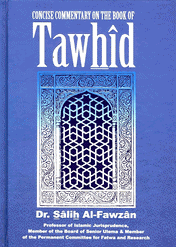 This is the weekly Saturday morning class on the book Al-Mulakhas fee Sharh Kitaabit-Tawheed (Concise Commentary on the Book of Tawhid) by Shaykh Saalih al-Fawzaan.
You may download the original text in Arabic here: الملخص في شرح كتاب التوحيد
As with all of our classes at Masjid Tawheed in Stone Mountain, GA, we encourage you to join us.
If you are not able to attend in person, please feel free to listen in via our Spreaker channel or our telelink line at 712-432-2856.
Al-Mulakhas fee Sharh Kitaabit-Tawheed – 01 – 20120128 Ch2
Al-Mulakhas fee Sharh Kitaabit-Tawheed – 02 – 20120204 Ch3
Al-Mulakhas fee Sharh Kitaabit-Tawheed – 03 – 20120211 Ch3
Al-Mulakhas fee Sharh Kitaabit-Tawheed – 04 – 20120225 Ch4
Al-Mulakhas fee Sharh Kitaabit-Tawheed – 05 – 20120310 Ch4
Al-Mulakhas fee Sharh Kitaabit-Tawheed – 06 – 20120317 Ch5
Al-Mulakhas fee Sharh Kitaabit-Tawheed – 07 – 20120324 Ch5
Al-Mulakhas fee Sharh Kitaabit-Tawheed – 08 – 20120325 Ch5
Al-Mulakhas fee Sharh Kitaabit-Tawheed – 09 – 20120331 Ch6
Al-Mulakhas fee Sharh Kitaabit-Tawheed – 10 – 20120407 Ch6
Al-Mulakhas fee Sharh Kitaabit-Tawheed – 11 – 20120408 Ch7
Al-Mulakhas fee Sharh Kitaabit-Tawheed – 12 – 20120505 Ch7
Al-Mulakhas fee Sharh Kitaabit-Tawheed – 13 – 20120512 Ch7
Al-Mulakhas fee Sharh Kitaabit-Tawheed – 14 – 20120519 Ch8
Al-Mulakhas fee Sharh Kitaabit-Tawheed – 15 – 20120526 Ch8
Al-Mulakhas fee Sharh Kitaabit-Tawheed – 16 – 20120602 Ch9
Al-Mulakhas fee Sharh Kitaabit-Tawheed – 17 – 20120714 Ch11
Al-Mulakhas fee Sharh Kitaabit-Tawheed – 18 – 20120915 Ch12
Al-Mulakhas fee Sharh Kitaabit-Tawheed – 19 – 20120922 Ch13
Al-Mulakhas fee Sharh Kitaabit-Tawheed – 20 – 20120929 Ch14
Al-Mulakhas fee Sharh Kitaabit-Tawheed – 21 – 20121006 Ch14
Al-Mulakhas fee Sharh Kitaabit-Tawheed – 22 – 20121013 Ch15
Al-Mulakhas fee Sharh Kitaabit-Tawheed – 23 – 20121110 Ch15
Al-Mulakhas fee Sharh Kitaabit-Tawheed – 24 – 20121117 Ch15
Al-Mulakhas fee Sharh Kitaabit-Tawheed – 25 – 20121201 Ch16
Al-Mulakhas fee Sharh Kitaabit-Tawheed – 26 – 20121208 Ch16
Al-Mulakhas fee Sharh Kitaabit-Tawheed – 27 – 20121215 Ch17
Al-Mulakhas fee Sharh Kitaabit-Tawheed – 28 – 20121229 Ch17
Al-Mulakhas fee Sharh Kitaabit-Tawheed – 29 – 20130105 Ch18
Al-Mulakhas fee Sharh Kitaabit-Tawheed – 30 – 20130119 Ch19
Al-Mulakhas fee Sharh Kitaabit-Tawheed – 31 – 20130202
Al-Mulakhas fee Sharh Kitaabit-Tawheed – 32 – 20130209
Al-Mulakhas fee Sharh Kitaabit-Tawheed – 33 – 20130223 Ch20
Al-Mulakhas fee Sharh Kitaabit-Tawheed – 34 – 20130302 Ch20
Al-Mulakhas fee Sharh Kitaabit-Tawheed – 35 – 20130309 Ch21
Al-Mulakhas fee Sharh Kitaabit-Tawheed – 36 – 20130316 Ch22
Al-Mulakhas fee Sharh Kitaabit-Tawheed – 37 – 20130426
Al-Mulakhas fee Sharh Kitaabit-Tawheed – 38 – 20130504
Al-Mulakhas fee Sharh Kitaabit-Tawheed – 39 – 20130511
Al-Mulakhas fee Sharh Kitaabit-Tawheed – 40 – 20130518
Al-Mulakhas fee Sharh Kitaabit-Tawheed – 41 – 20130601
Al-Mulakhas fee Sharh Kitaabit-Tawheed – 42 – 20130615
Al-Mulakhas fee Sharh Kitaabit-Tawheed – 43 – 20131109
Al-Mulakhas fee Sharh Kitaabit-Tawheed – 44 – 20131116
Al-Mulakhas fee Sharh Kitaabit-Tawheed – 45 – 20131123 Ch30
Al-Mulakhas fee Sharh Kitaabit-Tawheed – 46 – 20131207
Al-Mulakhas fee Sharh Kitaabit-Tawheed – 47 – 20131214
Al-Mulakhas fee Sharh Kitaabit-Tawheed – 48 – 20131221
Al-Mulakhas fee Sharh Kitaabit-Tawheed – 49 – 20140118
Al-Mulakhas fee Sharh Kitaabit-Tawheed – 50 – 20140201
Al-Mulakhas fee Sharh Kitaabit-Tawheed – 51 – 20140208
Al-Mulakhas fee Sharh Kitaabit-Tawheed – 52 – 20140215
Al-Mulakhas fee Sharh Kitaabit-Tawheed – 53 – 20140301 Ch34
Al-Mulakhas fee Sharh Kitaabit-Tawheed – 54 – 20140308
Al-Mulakhas fee Sharh Kitaabit-Tawheed – 55 – 20140315 Ch35
Al-Mulakhas fee Sharh Kitaabit-Tawheed – 56 – 20140322 Ch36
Al-Mulakhas fee Sharh Kitaabit-Tawheed – 57 – 20140405 Ch36
Al-Mulakhas fee Sharh Kitaabit-Tawheed – 58 – 20140412 Ch37
Al-Mulakhas fee Sharh Kitaabit-Tawheed – 59 – 20140503 Ch37
Al-Mulakhas fee Sharh Kitaabit-Tawheed – 60 – 20140517 Ch39
Al-Mulakhas fee Sharh Kitaabit-Tawheed – 61 – 20140531
Al-Mulakhas fee Sharh Kitaabit-Tawheed – 62 – 20140816
Al-Mulakhas fee Sharh Kitaabit-Tawheed – 63 – 20140823
Al-Mulakhas fee Sharh Kitaabit-Tawheed – 64 – 20140830
Al-Mulakhas fee Sharh Kitaabit-Tawheed – 65 – 20140906
Al-Mulakhas fee Sharh Kitaabit-Tawheed – 66 – 20140913
Al-Mulakhas fee Sharh Kitaabit-Tawheed – 67 – 20140920
Al-Mulakhas fee Sharh Kitaabit-Tawheed – 68 – 20141018
Al-Mulakhas fee Sharh Kitaabit-Tawheed – 69 – 20141108 Ch44
Al-Mulakhas fee Sharh Kitaabit-Tawheed – 70 – 20141115
Al-Mulakhas fee Sharh Kitaabit-Tawheed – 71 – 20141122
Al-Mulakhas fee Sharh Kitaabit-Tawheed – 72 – 20141206
Al-Mulakhas fee Sharh Kitaabit-Tawheed – 73 – 20141213
Al-Mulakhas fee Sharh Kitaabit-Tawheed – 74 – 20150103
Al-Mulakhas fee Sharh Kitaabit-Tawheed – 75 – 20150110
Al-Mulakhas fee Sharh Kitaabit-Tawheed – 76 – 20150117
Al-Mulakhas fee Sharh Kitaabit-Tawheed – 77 – 20150124
Al-Mulakhas fee Sharh Kitaabit-Tawheed – 78 – 20150131
Al-Mulakhas fee Sharh Kitaabit-Tawheed – 79 – 20150207
Al-Mulakhas fee Sharh Kitaabit-Tawheed – 80 – 20150307
Al-Mulakhas fee Sharh Kitaabit-Tawheed – 81 – 20150321
Al-Mulakhas fee Sharh Kitaabit-Tawheed – 82 – 20150328
Al-Mulakhas fee Sharh Kitaabit-Tawheed – 83 – 20150425
These are ongoing classes, the book not finished yet, further parts will be added, inshaa Allaah, when they are available at the below link
http://followthesalaf.com/home/?tag=Kitabut-Tawheed
About the English Book:
Author: Dr. Salih al Fawzan
Publisher: Al Maiman Publishing House (2009)
Pages: 493 Binding: Hardcover
Description from the publisher:
This book gives a clear explanation of the Muslim sound Creed which is the core of the religion of Islam, as the belief in Tawhid (monotheism) is the purpose for which Allah created both mankind and jinn, and thus, those whose belief in Tawhid is corrupt, are not considered Muslims. It is a commentary on the Book of Tawhid written by Sheikh Muhammad Ibn Abdul Wahhab.
In this book, Dr. Salih al Fawzan has projected light on doctrinal issues of utmost importance in a genuine and reader-friendly style. This translated version of the book fulfills a long-standing need on the part of English-speaking Muslims for a brief, introductory book in Tawhid. It is a valuable book for novice readers, be they Muslims or non-Muslims, who do not have thorough knowledge of the sound creed, The chapters of this book focus on major issues in Tawhid such as the definition of Tawhid, virtue of Tawhid, warning against acts of shirk (polytheism), the Prophet’s Maintenance of monotheism, and other topics.
This is the weekly Sunday evening class on the book Al-Minhatu Ar-Rabbaaniyah Fee Sharh Al-Arba’een An-Nawawiyah by Shaikh Saalih Al-Fawzaan.
You may download the original text in Arabic here: المنحة الربانية شرح الأربعين النووية
As with all of our classes at Masjid Tawheed in Stone Mountain, GA, we encourage you to join us. If you are not able to attend in person, please feel free to listen in via our Spreaker channel or our telelink line at 712-432-2856.
Explanation of 40 Hadith Nawawi – 01 – 120108
Explanation of 40 Hadith Nawawi – 02 – 120115
Explanation of 40 Hadith Nawawi – 03 – 120122
Explanation of 40 Hadith Nawawi – 04 – 120205
Explanation of 40 Hadith Nawawi – 05 – 120212
Explanation of 40 Hadith Nawawi – 06 – 121111
continue the explanation of hadeeth #8
Explanation of 40 Hadith Nawawi – 07 – 130203
we begin the explanation of hadeeth #10
Explanation of 40 Hadith Nawawi – 08 – 130210
we continue with the explanation of hadeeth #10
Explanation of 40 Hadith Nawawi – 09 – 130217
we begin the explanation of hadeeth #16
Explanation of 40 Hadith Nawawi – 10 – 130421
we begin the explanation of hadeeth #17
Explanation of 40 Hadith Nawawi – 11 – 130428
Hadeeth #18
Explanation of 40 Hadith Nawawi – 12 – 130505
Hadeeth #19
Explanation of 40 Hadith Nawawi – 13 – 130512
Hadeeth #19
Explanation of 40 Hadith Nawawi – 14 – 130519
Explanation of 40 Hadith Nawawi – 15 – 130526
Hadith no. 20
Explanation of 40 Hadith Nawawi – 16 – 130602
we begin the explanation of Hadith 21
Explanation of 40 Hadith Nawawi – 17 – 130616
we begin with the hadith #23
Explanation of 40 Hadith Nawawi – 18 – 130825
we continue with the hadith #23
Explanation of 40 Hadith Nawawi – 19 – 130901
we continue again with the explanation of the hadith #23
Explanation of 40 Hadith Nawawi – 20 – 130908
we begin with the explanation of the hadith #24
Explanation of 40 Hadith Nawawi – 21 – 131110
we continue the explanation of the hadith #24
Explanation of 40 Hadith Nawawi – 22 – 131117
we continue with the explanation of the hadith #24
Explanation of 40 Hadith Nawawi – 23 – 131124
we continue with the explanation of the hadith #24
Explanation of 40 Hadith Nawawi – 24 – 131208
we continue with the explanation of the hadith #24
Explanation of 40 Hadith Nawawi – 25 – 131215
Today we finish the explanation of the hadith #24
Explanation of 40 Hadith Nawawi – 26 – 131222
We continue with hadith #25
Explanation of 40 Hadith Nawawi – 27 – 140202
We will be beginning with hadith #27
Explanation of 40 Hadith Nawawi – 28 – 140223
Explanation of 40 Hadith Nawawi – 29 – 140309
Explanation of 40 Hadith Nawawi – 30 – 140316
Explanation of 40 Hadith Nawawi – 31 – 140323
Explanation of 40 Hadith Nawawi – 32 – 140406
Explanation of 40 Hadith Nawawi – 33 – 140413
Explanation of 40 Hadith Nawawi – 34 – 140420
Explanation of 40 Hadith Nawawi – 35 – 140504
Explanation of 40 Hadith Nawawi – 36 – 140511
Hadith #32
Explanation of 40 Hadith Nawawi – 37 – 140518
Hadith #33
Explanation of 40 Hadith Nawawi – 38 – 140525
Hadith #34
Explanation of 40 Hadith Nawawi – 39 – 140601
Hadith #35
Explanation of 40 Hadith Nawawi – 40 – 140817
Hadith #35
Explanation of 40 Hadith Nawawi – 41 – 140824
Explanation of 40 Hadith Nawawi – 42 – 140831
Hadith #35
Explanation of 40 Hadith Nawawi – 43 – 140907
Explanation of 40 Hadith Nawawi – 44 – 140914
Hadith #36 continued
Explanation of 40 Hadith Nawawi – 45 – 140921
We continue with hadith no. 38: Worship for the sake of Allah is a means of attaining nearness to Him and His Love
Explanation of 40 Hadith Nawawi – 46 – 141116
We continue with hadith no. 38
Explanation of 40 Hadith Nawawi – 47 – 141123
We continue with hadith no. 39
Explanation of 40 Hadith Nawawi – 48 – 141207
We continue with hadith no. 40
Explanation of 40 Hadith Nawawi – 49 – 141214
We continue with hadith no. 40
Explanation of 40 Hadith Nawawi – 50 – 141221
We continue with Hadith no. 41
Explanation of 40 Hadith Nawawi – 51 – 150111
we conclude the book with the final hadith: Hadith no. 42
Explanation of 40 Hadith Nawawi – 52 – Final – 150118
Posted from: http://followthesalaf.com/home/?tag=40+hadith
IMAAM AN-NASAA·EE reported in his “`Amalul-Yawm wal Laylah” (no. 250):
<<Aboo Bakr ibn Naafi` related to us, saying: Bahz narrated to us, saying: Hammaad ibn Salamah narrated to us, saying: Thaabit narrated to us: from Anas:
that some people said to Allaah’s Messenger (صلى الله عليه و سلم): “O best one of us, and the son of the best of us! O our chief and the son of our chief!” So Allaah’s Messenger (صلى الله عليه و سلم) said: << O people! Say what you have to say, and do not let Satan mislead you into following desires. I do not want you to raise me above the position which Allaah -the Most High – gave to me. I am Muhammad the son of ‘Abdullaah. His Slave and His Messenger. >>
Also reported by Ahmad, Ibn Humayd in “al-Muntakhab”, Ibn Mandah in “atTawheed”, and others.
Shaikh al-Albaanee said: “Its chain of narration is “Saheeh” to the standard of Muslim.” [“Ghaayatul-Maraam” (no. 127); “as-Saheehah” (nos. 1097 & 1572).
***
Shaikh Saalih al-Fawzaan -hafizahullaah- said in “I`aanatul-mustafeed bisharh Kitaabit-Tawheed” (2/435- ):
“…Their saying: “O our chief and the son of our chief!” was something the Prophet (صلى الله عليه و سلم) rebuked; and likewise their saying: “O best one of us and the son of the best of us! “The Prophet (صلى الله عليه و سلم) also criticised this, because the Messenger (صلى الله عليه و سلم) did not desire praise. Rather he wanted to be described with that which Allaah-the Most High – described him with: with Messengership and Prophethood, and that is sufficient honour for him (صلى الله عليه و سلم).
His saying: << And do not let Satan mislead you into following desires ( laa yastahwiyannakumush-Shaytaan). >> : (yastahwiyannakum) means: that he leads you into following desires which lead away from the path of Allaah -the Mighty and Majestic; or it is from “al-Hawiyy”, which means falling into destruction; meaning: let not Satan cause you to fall into misguidance, or let him not cause you to fall into desires which lead you astray from the path of Allaah -the Mighty and Majestic; for Satan misleads people in gradual stages, until he brings about their destruction. So the Muslim should be aware of Satan, and his misleading in gradual stages, and his leading into following desires. He should not relax with regard to Satan about anything, even if it is something slight, since it will become greater and larger.
Then he (صلى الله عليه و سلم) said:
<< I am Muhammad, Allaah’s Slave and His Messenger. >>
This is the correct way to mention him (صلى الله عليه و سلم) with praise: servitude and Messengership.
<< I do not love that you raise me above the position which Allaah -the Mighty and Majestic-gave to me. >>
This is the wisdom behind his (صلى الله عليه و سلم) forbiddance: that he feared for them, in their praising of him, that they would raise him above the position which Allaah gave to him; and that is Servitude (`Uboodiyyah) and Messengership (Risaalah). So he feared that they would start to believe that he had some aspects of Lordship ( Ruboobiyyah), just as happened to the Christians with regard to `Eesaa -`alaihis-Salaatu was-Salaam.
So the saying “His Slave” (`Abduhu ) prevents excessive praise (ghuluww); and the saying “His Messenger” (Rasooluhu) prevents belittlement of him (صلى الله عليه و سلم). So you should not just say that he is only a man and a human, and think that he has no distinction over the rest of mankind, as is said by the Unbelievers:
“You are nothing but a man like us” [Sooratush-Shu`araa·. (26): 154]
SO THESE TWO HADEETH [1] GIVE US SOME TREMENDOUS POINTS OF BENEFIT:
[1] i.e. This hadeeth along with a similar hadeeth of `Abdullaah ibn ash-Shikhkheerradiyallaahu `anhu.
THE FIRST POINT OF BENEFIT:
Is a warning against going beyond the limits (al-ghuluww) with regard to him (صلى الله عليه و سلم), by way of excessive praise; and that he should only be described with those attributes given to him by Allaah: Servitude ( al-`Uboodiyyah) and Messengership (ar-Risaalah).
As for going beyond the limits regarding him, and describing him as removing troubles and forgiving sins, and that rescue and relief can be sought from him- `alaihis-Salaatu was-Salaam-after his death: as actually occurs with many of those who have deviated today, in what they call “poems of praise of the Prophet”- such as “al-Burdah” of al-Boosayree; and its like from what has been said by the deviants; then this is excessiveness ( ghuluww) which has led to shirk; such as the saying of al-Boosayree:
‘O noblest one of the creation! I have none to seek protection
and shelter with besides you, when disasters strike;
And if you do not take hold of my hand in the Hereafter,
as a favour from you, then O how I shall fall!
Since from your generosity comes the whole world and its treasures;
and from your knowledge is the knowledge of the Preserved Tablet and the Pen.’
This is going beyond the due limits (ghuluww), and Allaah’s refuge is sought, which led to Unbelief and Shirk, to such an extent the he did not leave anything for Allaah at all! He ascribed everything to the Messenger (صلى الله عليه و سلم): This world and the Hereafter ascribed to the Messenger. The Preserved Tablet and the Pen ascribed to the Messenger. That none can save from the Torment on the Day of Resurrection except the Messenger. So what then remains for Allaah- the Mighty and Majestic?
This is a poem which they circulate, memorise, and recite during the “mawlid” (Innovated birthday celebrations). Likewise other poems of Kufr and Shirk, particularly that which they recite during the innovated mawlid (birthday celebrations) from poems of Shirk. The cause of all of this is exceeding the bounds (ghuluww) with regard to the Messenger (صلى الله عليه و سلم).
As for praising him (صلى الله عليه و سلم) with that which Allaah described him with, that he is a Slave [of Allaah] (`Abd) and Messenger (Rasool), and that he is the best of the creation, then there is no harm in this ; just as occurs in the poetry of the Companions who praised him, like the poetry of Hassaan ibn Thaabit, and Ka`b ibn Zuhayr, and likewise Ka`b ibn Maalik, and `Abdullaah ibn Rawaahah.
These are pure and good poems. The Prophet (صلى الله عليه و سلم) heard them and approved of them because they did not contain any excessive praise (ghuluww); rather they contained a mention of his (صلى الله عليه و سلم) characteristics…. >>. ”
***
Shaikh Muhammad ibn Saalih al-`Uthaymeen – rahimahullaah- said in “alQawlul-Mufeed `alaa Kitaabit-Tawheed”. ( 2/519-521):
“His saying: “I am Muhammad, the Slave of Allaah and His Messenger”: Muhammad is his personal name and “`Abdullaah’ (Allaah’s Slave) and “Rasooluhu” (His Messenger) are two attributes of his; and these two characteristics are the finest and most profound of the characteristics of the Messenger (صلى الله عليه و سلم). So therefore Allaah -the Most High – described him with Servitude with regard to the greatest of positions:
in the position of His sending the Qur·aan down to him. He-the Most High – said:
“Exalted is He who sent down the Criterion to His Slave” [Sooratul-Furqaan (25):1]
and He described him with it in the situation of the Night-Journey. He-the Most High – said:
“Perfect is He who took His Slave on a journey by night” [Sooratul-Israa· (17):1]
and He described him with it in the situation of his ascent through the heavens. He -the Most High – said:
“So He revealed to His Slave whatever He revealed” [Sooratun-Najm (53): 10]
and He described him with it in the situation of defending him and challenging his opponents. He-the Most High – said:
“And if you are in doubt concerning that which We sent down to Our Slave” [Sooratul-Baqarah (2):23]
and the same was the case with the (rest of the) Prophets, such as in His Saying – He the Most High:
“O descendants of those whom We carried in the ship along with Nooh. Indeed he was a thankful slave” [Sooratul-Israa· (17): 3]
So this is a special and specific Servitude, and it is the highest of the types of servitude. Then servitude to Allaah is the greatest of the attributes of mankind, since man will either worship Allaah or Satan. He-the Most High – said:
“Did I not command you, O descendants of Aadam, that you should not worship Satan. Indeed he is a clear enemy to you. And that you should worship Me alone. That is the Straight Path” [Soorah YaaSeen: (36):60-61]
Ibnul-Qayyim said:
“They fled away from the Servitude for which they were created, and were afflicted instead with servitude to the self and to Satan… (And His Messenger): Meaning: The One sent by Him to the whole of mankind. He- the Most High – said:
“Say: O Muhammad! I am indeed the Messenger of Allaah to you all” [Sooratul-A`raaf (7):158]
And Allaah’s Messenger (صلى الله عليه و سلم) is at the pinnacle of the levels of righteousness. He the Most High – said:
“And whoever obeys Allaah and the Messenger, then they will be along with those whom Allaah has bestowed favour upon; from the Prophets, their true and sincere followers, the martyrs, and the righteous; and what a fine company they are” [Sooratun-Nisaa· (4):69]
So amongst the Prophets was the Messenger (صلى الله عليه و سلم), indeed he was the most excellent of them…
And two groups went to extreme with regard to the Messenger (صلى الله عليه و سلم)
A group who went to such an extreme that they worshipped him, and they took him for times of ease and hardship, and they worshipped him and called upon him besides Allaah;
A group denied him; and claimed that he was a liar, a sorcerer, a poet, a madman, a soothsayer, and the like;
And his saying “Allaah’s Slave and His Messenger’ is a refutation of both of the groups…”
***
[Translated by Aboo Talhah Daawood ibn Ronald Burbank]
Posted from : https://alitisaambissunnah.wordpress.com
Related Links :
Committing Shirk in the Messengership of the Prophet ﷺ
Writing ‘Ya Allaah & Ya Muhammad’ – Shaykh Rabee ibn Haadee
Ruling on Tabarruk by the Prophet’s ﷺ relics and supplicating to him – Shaik ibn Baaz
The Messenger ﷺ did not stretch his hand from his grave to anyone – Ibn Baaz
Does the Prophet ﷺ have the knowledge of the unseen ? Dr. Saleh as-Saleh [Audio|En]
Was the Prophet ﷺ created from light? – Al-Lajnah al-Daa’imah
Is the Prophet ﷺ Alive Now in his Grave ? – Dr. Saleh as Saleh [Audio|En]
Say (O Muhammad ﷺ): “I am only a man” – Explanation by Shaykh al-Fawzaan
Ruling On Qasidat al-Burda – Al´Allâmah ibn al-ʻUthaymīn [Video|Ar-En]
Q&A on The Qasidah Burdah of Busairi and the Ash’ari’s – Al-‘Allaamah Saalih al-Fawzaan [Video|Ar-En Subtitles]
Learn about our Prophet Muhammad (صلى الله عليه و سلم) – http://salaf-us-saalih.com/muhammad
So the proof for the shahaadah (testification) is:
Allah bears witness that Laa ilaaha illa Huwa (none has the right to be worshipped but He), and the angels, and those having knowledge (also give this witness); (He is always) maintaining His creation in Justice. Laa ilaah illa Huwa (none has the right to be worshipped but He), the All-Mighty, the All-Wise. [Al-Qur’an 3:18] 33
[33]:
His saying, he the most high, “He testified“: meaning He judged and He decreed and He informed and He made clear and He made it binding. So bearing witness from Allaah revolves around these five meanings: judging, decreeing , informing ,clarifying and making binding.
So the meaning of, “He testified”, is He the Perfect and Most High decreed it upon His servants and He calls them to know of it and He informed them and He made it binding upon them that none has the right to be worshipped except Him.
“laa ilaaha”, (none had the right to be worshipped): this is a negating ‘laa’ which negates everything which is worshipped besides Allaah
“illaahu”, (except for Him): this affirms worship for Allaah alone.
And the meaning of, “annahu laailaaha illaahu”, (none has the right to be worshipped but him): it means there is nothing that is worshipped rightfully except for Allaah the Perfect and Most High. As for those who are worshipped besides Allaah, then worship of it is false because of His saying He the Most High:
That is because Allaah, He is the true God deserving all worship and those whom they call upon besides Him are futile and false and Allaah He is the Most High the Most Great [22:62]
He the Perfect and Most High testifies to His unity and the right to all worship and He is the most truthful One Who speaks and His bearing witness He the Perfect and Most High is the truest testification there can be because it comes from One Who is All-Wise, All-Aware, All-Knowing, he knows everything so therefore it is a testification which is true.
“And the Angels”: they testify that none has the right to be worshipped except Him and they are a species of beings whom Allaah created to worship Him. They are honourable Angels, honoured servants, Allaah created them to worship Him. They declare His perfection night and day, and they never slacken. And also Allaah created them to carry out His commands in the creation, He entrusted them with implementing whatever He commanded, He the Perfect and Most High, from the affairs of the creation. So every Angel from them is entrusted with a duty. And their testification is a true testification, because they are people of knowledge, and of ‘ibaadah (worship) and of ma‘rifah (awareness) of Allaah the Mighty and Majestic. And they are from the most excellent of the creation, along with the point of disagreement which is are the righteous humans more excellent than the Angels, or are the Angels more excellent than the righteous humans there being disagreement about that point.
“And the people of knowledge”: they are of two categories: the Angels, and the second category are the Possessors of Knowledge from mankind. And the Possessors of Knowledge do not testify except with something that is true, contrary to the case with those who are ignorant people, for their testification is not counted. And every species from the creation of Allaah bears witness for Allaah of His Unity and that none has the right to be worshipped but Him. And this is a case of showing the honour and nobility of the people of knowledge since Allaah joined their testification along with His testification, He the Perfect and Most High, and with the testification of His Angels. He counted the testification of the people of knowledge from the creation, and this shows their excellence and their nobility and their status, and they are testifying to the greatest matter that can be testified to, and it is at-Tawheed.
And what is meant by the Possessors of Knowledge – are the people of knowledge of the Legislation (i.e. Islaamic knowledge), not as is said by some people that people of knowledge means the people of industry and agriculture, so those people, it is not said about them that they are People of Knowledge unrestrictedly, because their knowledge is limited in scope and is restricted, rather it is to be said, “this person is knowledgeable about arithmetic, this person is knowledgeable about engineering, this person is knowledgeable about medicine”, but it is not said about them that they are the People of Knowledge unrestrictedly. Because this term is not used unrestrictedly except for the people who have Islaamic knowledge. And also most of those people are people who have only wordly knowledge, and amongst them are atheists whose knowledge mostly only increases them in ignorance concerning Allaah the Mighty and Majestic, and in self delusion and in atheism as you can see today in the disbelieving nations, that they are advanced with regards to industries and with regards to agriculture, however they are disbelievers. So how could it be said that they are the People of Knowledge, those whom Allaah has mentioned in His saying, “and the Possessors of Knowledge”. This is not at all feasible.
And likewise His saying:
It is only those who have Knowledge amongst His slaves that fear Allaah [35:28]
What is meant is the scholars of Islaamic knowledge, those who truly know Allaah and who truly worship Him and who fear Him. As for those people, then most of them do not fear Allaah, the Mighty and Majestic. Rather they disbelieve in Allaah and deny Him, and they claim that the world has no Lord and that rather nature brought it about and controls it, as is the case with the communists – they reject the Lord, the Perfect and Most High, even though they have worldly knowledge. So how then could we say – those people, they are the People of Knowledge?
This is an error. So the term ‘Knowledge’ is not applied unrestrictedly except to its true people, and it is a noble title which cannot be applied to atheists and disbelievers, such that it is said, “they are the people of Knowledge”.
So the Angels and the possessors of Knowledge, they bear witness to Allaah’s Unity and sole right to worship. Therefore the saying of others besides them from the atheists and the people of shirk and the Sabeans, those who disbelieve in Allaah the Mighty and Majestic, is not counted. Those people, they are not counted, neither they nor their saying, because it is something contrary to the testification of Allaah and the testification of His Angels and the testification of those possessing knowledge from His Creation.
And His saying, “Qaa’imambil-Qist”, (maintaining justice): this phrase is in the accusative case indicating a state along with, ‘He bore witness’ – meaning whilst establishing justice, He the Perfect and Most High. And the word, “al-Qist”, means al-‘adl (justice) – meaning Allaah the Perfect and Most High establishes justice in everything, and al-‘adl (justice), is the opposite of al-jawr (injustice), and He the Perfect and Most High is a just judge, nothing but justice comes from Him in everything.
“Laa ilaaha illahu”, (none has the right to be worshipped but Him): this emphasizes the first sentence.
“Al-‘Azeez-ul-Hakeem”, (the Almighty the All-Wise): these are two Names of Allaah the Mighty and Majestic, comprising two Attributes from His Attributes, and they are al-‘Izzah (Might) and al-Hikmah (Wisdom).
Sharh-ul-Usool-ith-Thalaathah by Shaikh Saalih al-Fawzaan
Explained by Dawud Burbank rahimahullaah
Above are the Excerpts from Transcribed Audio
Visit the link for other transcripts : Sharh-ul-Usool-ith-Thalaathah by Shaikh Saalih al-Fawzaan
This topic is covered in Volume 2 of the above Book
This is the weekly Monday evening class on the book Al-Mulakhas al-Fiqhi by Shaykh Salih al-Fawzan. We begin with the Book of Trade Transactions, Chapter 6: Riba.
You may download a copy of the original Arabic text here: الملخص الفقهي
As with all of our classes at Masjid Tawheed in Stone Mountain, GA, we encourage you to join us. If you are not able to attend in person, please feel free to listen in via our Spreaker channel or our telelink line at 712-432-2856.
Part 01 : Listen / Download Mp3 Here (Time 43:32)
Part 02 : Listen / Download Mp3 Here (Time 40:57)
Part 03 : Listen / Download Mp3 Here (Time 46:55)
Part 04 : Listen / Download Mp3 Here (Time 57:10)
Part 05 : Listen / Download Mp3 Here (Time 47:21)
Part 06 : Listen / Download Mp3 Here (Time 45:12)
Posted from: http://followthesalaf.com/home/?tag=Al-Mulakhas+Al-Fiqhi
Listen / Download Mp3 Here (Time 11:21)
[audio https://salafiaudio.files.wordpress.com/2015/06/impermissible-for-a-muslim-to-indulge-in-trade-after-the-2nd-adhan-of-jumuah-shaykh-fawzan-abu-muhammd-al-maghribee.mp3]
This short benefit is extracted from the below lecture:
Prohibited Trade Transactions – Al-Mulakhas al-Fiqhi | Shaykh Fawzaan – Abu Muhammad al-Maghribee [Audio|En]
Allaah (The Most High) said:
يَا أَيُّهَا الَّذِينَ آمَنُوا إِذَا نُودِيَ لِلصَّلَاةِ مِنْ يَوْمِ الْجُمُعَةِ فَاسْعَوْا إِلَىٰ ذِكْرِ اللَّهِ وَذَرُوا الْبَيْعَ ۚ ذَٰلِكُمْ خَيْرٌ لَكُمْ إِنْ كُنْتُمْ تَعْلَمُونَ
فَإِذَا قُضِيَتِ الصَّلَاةُ فَانْتَشِرُوا فِي الْأَرْضِ وَابْتَغُوا مِنْ فَضْلِ اللَّهِ وَاذْكُرُوا اللَّهَ كَثِيرًا لَعَلَّكُمْ تُفْلِحُونَ
”O you who believe (Muslims)! When the call is proclaimed for the Salat (prayer) on the day of Friday (Jumu’ah prayer), come to the remembrance of Allah [Jumu’ah religious talk (Khutbah) and Salat (prayer)] and leave off business (and every other thing), that is better for you if you did but know! Then when the (Jumu’ah) Salat (prayer) is finished, you may disperse through the land, and seek the Bounty of Allah (by working, etc.), and remember Allah much, that you may be successful.” [Soorah Al-Jum’ah. Aayaat 9-10]
This is the weekly Monday evening class on the book Al-Mulakhas al-Fiqhi (A Summary of Islamic Jurisprudence) by Shaykh Salih al-Fawzan.
We continue with the Book of Trade Transactions, Chapter 2: Prohibited Trade Transactions
You may download a copy of the original Arabic text here: الملخص الفقهي
Part 01: Listen / Download Mp3 Here (Time 49:09)
Part 02: Listen / Download Mp3 Here (Time 52:28)
As with all of our classes at Masjid Tawheed in Stone Mountain, GA, we encourage you to join us. If you are not able to attend in person, please feel free to listen in via our Spreaker channel or our telelink line at 712-432-2856.
Posted from: http://followthesalaf.com/?tag=Al-Mulakhas+Al-Fiqhi
Read the below excellent e-Book
Forbidden Business Transactions : Shaikh Saalih Al-Fawzaan

Sharh-ul-Usool ath-Thalaathah : Lesson 43 (Part B) & Lesson 44 (Part A)
Shaykh Saalih al-Fawzan | Dawud Burbank [Audio|English]
Imaam Muhammad ibn ‘Abdul-Wahhaab (rahimahullaah) said:
Hijrah, from the land of shirk to the land of Islaam, is an obligation upon this nation and it continues until the Hour is established.[64]
[64] Shaykh Saalih al-Fawzan’s Explanation :
Hijrah is joined along with jihaad in Allaah’s cause and it is an obligation which remains, it is not being abrogated. It is obligatory upon every Muslim who needs to perform Hijrah that he should perform Hijrah. And it is not permissible for the Muslim to remain in the lands of kufr when he is not able to make his religion apparent; so then it is obligatory upon him to migrate to the lands of the Muslims. So it is an obligation which remains, because of his sallallaahu`alaihi wa sallam saying:
Hijrah will not be cut off until repentance is cut off and repentance will not be cut off until the sun rises from its place of setting.»[1]
Imaam Muhammad ibn ‘Abdul-Wahhaab (rahimahullaah) said:
The proof is His Saying, the Most High:
«As for those whose souls the angels take in a state of having earned Allaah’s anger, the angels will say to them: ‘In what condition were you?’ They will say: We were weakened (by the great numbers and strength of the people of shirk) in our land.’ They will reply: ‘Was not Allaah’s earth spacious so that you could make hijrah therein? These people will find their abode in Hell and what an evil destination that is.
Except for those who were rendered weak from the men, women and children who were unable to migrate or find a way to do so.
As for such people, Allaah will certainly pardon them and Allaah is ever One who pardons and forgives the sins of His servants.» [4:97-99] [65]
Shaykh Fawzan quoted the 100th ayah as well :
He who emigrates (from his home) in the Cause of Allah, will find on earth many dwelling places and plenty to live by. And whosoever leaves his home as an emigrant unto Allah and His Messenger, and death overtakes him, his reward is then surely incumbent upon Allah. And Allah is Ever Oft-Forgiving, Most Merciful. [4:100]
[65] Shaykh Saalih al-Fawzan’s Explanation :
These two aayaat contain a threat against abandoning performing the hijrah when the person is able to perform it – and that his abode will be the Hellfire – what an evil destination. Even though he does not exit from Islaam – this is from the nusoos al-wa`eed (the texts which contain a threat). So, if he abandons the hijrah, then he has abandoned something obligatory and he will be sinful. However, he does not exit from Islaam through abandonment of the hijrah, but there is a severe threat upon him.
Then, Allaah explains in the aayah after it, the excuse by which the obligation of the hijrah falls away. He, the Most High, said:
«Except for those who were rendered weak from the men, the women and wildaan (children).» [4:98]
wildaan Meaning: the children.
«Who were unable to migrate» [4:98]
They do not possess the ability.
«Or find a way to do so» [4:98]
Meaning: they do not know the way to the land – the city – because hijrah requires (a person) to make a journey, otherwise (it may be the case) that a person dies during the journey if he does not know the way.
So therefore their excuse is in two matters:
So even if they have the financial capability, but do not have awareness of the way that they could follow, someone to guide them upon the way – this is the correct excuse. As for the person who has the capability and knows the way, then there is no excuse for him.
Imaam Muhammad ibn ‘Abdul-Wahhaab (rahimahullaah) said:
And His saying, He the Most High:
«O My servants who believe! Indeed My earth is spacious, so worship Me alone.» [29:56]
al-Baghawee (rahimahullaah) said: “The reason for the sending down of this aayah concerns the Muslims who were in Makkah and did not migrate; Allaah addressed them with the title of eemaan.”
The proof for the hijrah found in the Sunnah is his sallallaahu`alaihi wa sallam saying:
«Hijrah will not be discontinued until repentance is discontinued, and repentance will not be discontinued until the sun rises from its place of setting.»[66]
[66] Shaykh Saalih al-Fawzan’s Explanation :
This aayah is from Soorah al-`Ankaboot. It contains a command to migrate and that the earth of Allaah is spacious. So, if you are in a land where you are not able to make your religion apparent, in that case Allaah’s earth is spacious, so move away from it. Do not remain in the bad part; rather leave it and go somewhere in Allaah’s spacious earth. Allaah, the Perfect and Most High, has made the earth spacious. The proof for the hijrah found in the Sunnah is his sallallaahu`alaihi wa sallam saying:
«Hijrah will not be discontinued until repentance is discontinued, and repentance will not be discontinued until the sun rises from its place of setting.»[2]
As for his sallallaahu`alaihi wa sallam‘s saying:
«There is no migrating after the conquest (of Makkah).»[3]
What is apparent from the hadeeth is that the migrating came to an end after the conquest of Makkah. Some people think that there is a contradiction between the hadeeth and between his sallallaahu`alaihi wa sallam saying:
«Hijrah will not be discontinued until repentance is discontinued, and repentance will not be discontinued until the sun rises from its place of setting.»[4]
However, the people of knowledge respond to his hadeeth (by saying) that what is meant by «there is no migrating after the conquest» is (no migrating) from Makkah, since through the conquest, it became an abode of Islaam. The people thought that migrating remained from Makkah after the conquest so they wished to attain the reward of migrating. As for migrating from the land of disbelief, then it remains until the Hour is established. The proof is the previous aayaat and the previous prophetic hadeeth. This is the response to this difficulty.
Footnotes:
[1] Reported by Aboo Daawood no. 2479 and Ahmad from a hadeeth of Mu`aawiyyah ibn Abee Sufyaan, radiyallaahu `anhumaa.
[2] Reported by Aboo Daawood no. 2479 and Ahmad from a hadeeth of Mu`aawiyyah ibn Sufyaan, radiyallaahu `anhumaa. [It was declared saheeh by al-Albaanee].
[3] Reported by al-Bukhaaree no. 2783 and Muslim no. 1353 from a hadeeth of ibn `Abbaas, radiyallaahu `anhumaa, and reported by Muslim no. 1864 from a hadeeth of `Aa.ishah, radiyallaahu `anhaa.
[4] Reported by Aboo Daawood no. 2479 and Ahmad from a hadeeth of Mu`aawiyyah ibn Sufyaan, radiyallaahu `anhumaa. [It was declared saheeh by al-Albaanee].
—
Sharh-ul-Usool-ith-Thalaathah. Explanation of the Three Fundamental Principles of Imaam Muhammad ibn ‘Abdil-Wahhaab by Shaykh Saalih ibn Fowzaan al-Fowzaan hafizahullaah. Translated by Daawood Burbank, rahimahullaah
Posted with kind permission from Dawud Burbank rahimahullaah
—
Listen to the Full Audio Series:
Sharh Usool-ith-Thalaathah – Shaykh Fawzan | Dawud Burbank
Book Study Resources – Three Fundamental Principles
Related Links:
https://abdurrahman.org/hijrah
“Tabaarak Allaah”: means: tremendously great is the One whose actions are these, He the Perfect and Most High. And whose Ability is such and these are the things which He has created, He the Exalted and Most High.
And, “Tabaarak”: is a verb which is used specifically for Him, He the Perfect, so it cannot be applied to anyone besides Him. And al-Barakah (blessing) it means abundance of good and its increase, and the blessings which come from Allaah the Majestic and Most High do not end. As for a created being, it cannot be said about him, “tabaarak”. Rather it can be said to him, “mubaarak” meaning, “May you receive blessing”, meaning may Allaah put blessing into him and make him blessed. And all blessing is from Allaah the Perfect and Most High.
Sharh-ul-Usool-ith-Thalaathah by Shaikh Saalih al-Fawzaan
Explained by Dawud Burbank rahimahullaah
Above are the Excerpts from Transcribed Audio
—
This short clip was extracted by AbdurRahman.Org from # 01 of the Audio Series: Explanation of Aqeedah at-Tahaawiyyah – Dawud Burbank [Audio|En]
Transcription of the above audio clip:
Aqeedah (creed and belief) is the foundation of the religion and it (‘aqeedah) is what is contained in the testification (shahaadah) that none has the right to be worshipped except Allaah and that Muhammad is the Messenger of Allaah. And it is the first pillar from the pillars of Islaam.[2]
So therefore, it is an obligation to give importance to it (`aqeedah) and to give care and attention to it and to acquire knowledge of it and knowledge of whatever will damage it so that the person can be upon clear insight and can be upon a correct creed and belief.
Since if the person’s religion is established upon a sound, correct foundation then it will be a straight and true religion that he is upon – one that is acceptable to Allaah and if it (his religion) is based upon a shaky or disturbed `aqeedah (creed) or if his religion is based upon an ‘aqeedah (creed) which is corrupt then his religion will not be correct and it will be without a foundation.
So, this is why the scholars rahimahumullaah used to give importance to the affair of ‘aqeedah and they were not laxed about explaining it in their lessons and whenever they had an opportunity. The later person used to transmit it from the one who came before him.
And the Companions radiyAllaahu `anhum did not have any doubts about what came in the Qur’aan and what came in the Sunnah of Allaah’s Messenger sallAllaahu`alayhi wa sallam. So their `aqeedah (creed and belief) was based upon the Book of Allaah and the Sunnah of Allaah’s Messenger sallAllaahu`alayhi wa sallam and they were not afflicted by any doubt in that regard nor any hesitation. So, whatever Allaah said and whatever His Messenger sallAllaahu`alayhi wa sallam said, they took it as their creed and belief and they took it as their religion. And they did not need any further book to be written for them after that since this was something fully accepted by them and something that was certain with them; their creed (‘aqeedah) was the Book and the Sunnah. And then their students proceeded upon that from the Taabi`een (the next generation after the Companions) – those who took from them. So, there was no disputing in `aqeedah (creed and belief); it was an affair which was fully accepted (undisputed); and their source was the Book and the Sunnah.
But when the sects and the differences arose and appeared, and when people entered into the religion who were such that the creed and `aqeedah was not firmly grounded in his heart or those who entered into Islaam whilst still carrying some deviated ideas with them, and when there arose in Islaam people who did not refer back to the Book nor to the Sunnah in `aqeedah, rather, they referred back to principles and methodologies which had been established by people of misguidance by themselves. When all of this happened then the a’immah (the imaams) of Islaam at this time needed to clarify (make explanation and clarification of) the correct `aqeedah (belief and creed) and they needed to carefully record it and write it down and narrate it from the scholars of the Ummah. So therefore, they wrote down the books of creed and belief and they gave attention to that; and this became a reference for those who came after them from the Ummah and it will be so until the establishment of the last Hour.
And this is an example of the Protection of Allaah, the Most High for this religion and Allaah’s taking care of this religion – that He provided for it trustworthy carriers to convey it just as it came from Allaah and His Messenger and to repel the false interpretations of the negators and the false declarations of the Creator’s being like the creation. So these scholars came and passed on as inheritance this creed (`aqeedah), the later ones taking it from the earlier ones.
And from as-Salaf as-Saalih (the pious predecessors) who used to be upon the sound and firm belief and creed (i`tiqaad) taken from Allaah’s Messenger sallAllaahu`alayhi wa sallam and from his Companions and from the Taabi`een were the four imaams: Imaam Aboo Haneefah, Imaam Maalik, Imaam ash-Shaafi`ee and Imaam Ahmad and others from the imaams, those who stood and defended the correct `aqeedah (belief and creed) and who confirmed it, explained it and taught it to the students.
And the followers of the four imaams (their students who came after them) used to give attention to this creed and belief; they used to study it and caused their students to learn it. And many books were written about it upon the methodology of the Book and the Sunnah and upon what the chosen Messenger, al-Mustafaa sallAllaahu`alayhi wa sallam was upon and his companions radiyAllaahu `anhum and the Taabi`een. So, they refuted the false beliefs and the deviated beliefs, and they clearly explained how they were counterfeit and baseless. And the same was done by the imaams of hadeeth such as: Ishaaq ibn Raahawayh and al-Bukhaaree and Muslim and Imaam Ibn Khuzaymah and Imaam Ibn Qutaybah; and from the imaams of tafseer (explanation) of the Qur’aan such as Imaam at-Tabaree and Imaam Ibn Katheer and Imaam al-Baghwee and others from the imaams of tafseer.
They (all) wrote works in this regard (explaining the correct belief) and they called them Kutub As-Sunnah – books of the Sunnah; for example, Kitaab as-Sunnah of Ibn Abee `Aasim and the book as- Sunnah of `Abdullaah ibn Ahmad ibn Hanbal and the book as-Sunnah of Al-Khallaal and the book ash-Sharee`ah of Al-Aajurree and other than that.
Footnotes:
[2] As is shown by the hadeeth of Ibn `Umar radiyAllaahu anhumaa who said, “Allaah’s Messenger sallAllaahu`alayhi wa sallam said, ‘Islaam is built upon five: the shahaadah (testification) that none had the right to be worshipped except Allaah and that Muhammad is the Messenger of Allaah, and correct establishment of the prayer, and giving the zakaat, and the hajj, and fasting in Ramadaan’.” The hadeeth is reported by Bukhaaree as no.8 and reported by Muslim.
Visit the below Link to read more about Aqeedah
https://abdurrahman.org/belief/aqeedah
Sharh-ul-Usool-ith-Thalaathah by Shaikh Saalih al-Fawzaan
Translated by Dawud Burbank rahimahullaah
Below in the Transcription of the Audio Explanation of Dawud Burbank
And the proof is His saying, He the Most High:
And that the places of prayer are to be for Allaah alone, so do not invoke or worship anyone along with Allaah. [72:18]9
[9]:
Allaah is not pleased that anyone should be associated with Him, no matter who it is, and this is stated clearly in the Book and in the Sunnah, however, to one who uses the intellect and who thinks carefully, and who discards blind following and the use of false and futile excuses, and who is alert to his own benefit. And the proof that Allaah is not pleased that anyone else besides Him should be associated with Him no matter who it is, is His saying, He the Most High:
And that the places of prayer are to be for Allaah alone, so do not invoke or worship anyone along with Allaah. [72:18]
Al-Masaajid, (the mosques), are the houses of Allaah and they are the places which are prepared for the Salaah (prayer) and they are the most beloved of places to Allaah, and they are houses which Allaah has commanded should be raised and in which His Name should be mentioned. Then these mosques must be made a place for the worship of Allaah alone, nothing for other than Allaah must occur within them, so graves are not to be built in them, nor tombs because the Prophet sallallaahu‘alaihiwasallam cursed those who did that, and he informed that this is the practice of the Jews and the Christians and he forbade us from that at the end of his life, whilst he was in the throes of death ‘alaihissalaatuwassalaam with his saying:
“Indeed those who came before you used to take the graves as places of prayer…” (he said this whilst he was dying), “…Indeed do not take the graves as places of prayer, for I certainly forbid you from that.”[1]
And he sallallaahu‘alaihiwasallam said:
“Allaah’s curse is upon the Jews and the Christians, they took the graves of their Prophets as places of prayer.”[2]
So the mosques, it is obligatory that they be purified from traces of shirk and idolatory and that they not be built upon the graves, nor should the dead be buried in them after they have been built, rather they should be places for the worship of Allaah alone, the prayer should be established in them, and the Name of Allaah should be mentioned in them, and the Qur’aan should be recited in them, and beneficial lessons should be established in them, and people should remain in them for worship. This is the role of the mosques.
As for having in them idols which are worshipped besides Allaah, then these are not mosques, these are shrines of shirk, even if their people call them mosques, because Allaah says:
And that the mosques, the places of prayer, are for Allaah [72:18]
Meaning: not for anyone else besides Him. And because the mosques, they are the place where the people gather and meet, so it is obligatory that they should be pure and free of shirk and bid‘ah (innovations) and false superstitions, because the people acquire knowledge in them and worship, so if anything from shirk and false superstitions are found in the mosques, then they will be influenced by that and they will propagate it upon earth, so it is obligatory that mosques should be purified from shirk.
And the greatest of them is al-Masjid-ul-Haraam (the Sacred Mosque, in Makkaah), just as Allaah, the Majestic and Most High commanded that it should be purified, He the Most High said:
And remember when We showed the site for the House to Ibraaheem and commanded him, that you should not associate anything with Me, and purify My house, for those people who are performing Tawaaf and for those who are standing in prayer and performing the bowing and prostration. [22:26]
Purify it from what? Purify it from shirk, and from innovations and false superstitions, just as it is also to be purified from impurities and filthy things.
So His saying, He the Most High:
Do not call upon or invoke [72:18]
The, “laa”, is the, ‘no of prohibition’. And the, “tad‘oo”, is a present tense verb which is in the jussive form because of the prohibiting, “laa”, and the sign that it is the jussive form is the removal of the, ‘noon’. So the factor which makes it jussive is the, ‘no of prohibition’.
So do not invoke, O people, anyone along with Allaah, do not supplicate for help from anyone along with Allaah, such as saying, “O Allaah, O Muhammad”, “O Allaah, O Abd-ul-Qaadir”, or saying, “O Abd-ul-Qaadir, O Muhammad”, or the like of that, because Allaah is not pleased with that and will not accept it.
And His saying He the Most High, “ahadan”, (anyone): is in indefinite form in the context of a prohibition, so therefore it is general to everyone, no-one is excepted, neither any angel drawn close nor any prophet sent, nor any idol, nor any object of worship, nor any grave, nor any Shaikh, nor any beloved servant of Allaah, nor any living person, nor any dead person, no matter who it is.
So it is general covering everyone who is called upon besides Allaah
So do not call upon, do not invoke anyone along with Allaah. [72:18]
So this aayah shows that worship will not benefit except with tawheed, and that if shirk is mixed with it, then it becomes null and void and it will be an affliction for the person. Then He the Most High said:
And the places of prayer are for Allaah [72:18]
It is obligatory that they be built purely and sincerely, that the intention of the one building them should not be to show off or to be heard of or to be remembered as they say, or to be just Islaamic antiquities, all of this is futile.
Mosques should be built for worship and with the intention of worship, and the intention in them should be purely and sincerely for Allaah the Mighty and Majestic, and also they should be built from good and pure earnings, they should not be built from forbidden earnings because they are for Allaah the Mighty and Majestic, and:
“Allah does not accept except what is good and pure”[3]
So the mosques are to be built from lawful spending and the intention of their builders is that it is to be done purely and sincerely seeking the Face of Allaah the Mighty and Majestic, he should not intend by building it to obtain praise from the people, or to be remembered, or for show, or to be heard of, because building the mosques is worship and worship, it is obligatory that it should be done purely and sincerely for Allaah the Mighty and Majestic.
Footnotes
[1] Reported by Muslim as hadeeth 532 from a hadeeth of Jundub ibn ‘Abdillaah al-Bajalee radiyallaahu‘anhu
[2] Reported by al-Bukhaaree as hadeeth 435 and 436 and by Muslim as hadeeth 531 from a hadeeth of ‘Aa’ishah and of Ibn ‘Abbaas radiyallaahu‘anhum
[3] Reported by Muslim hadeeth 1015 from a hadeeth of Aboo Hurayrah radiyallaahu‘anhu with the wording that Allaah’s Messenger sallallaahu‘alaihiwasallam said, “O mankind, Allaah is Pure, He does not accept except what is good and pure.”
Visit the below link for other transcripts :
Sharh-ul-Usool-ith-Thalaathah by Shaikh Saalih al-Fawzaan
Scholar: ´Allâmah Sâlih bin Fawzân al-Fawzân
Date: 1431-04-14/2010-03-29
Reference: Darulhadith.com
Translation and Video Courtesy: aFatwa.com (site no more exists)
Question: There are those who say that the Kuffâr (disbelievers) are our brothers in humanity and not in the religion. Is this true?
Shaykh al-Fawzân: It is not sufficient with the humanity. One does not speak like that in order to please them or to gain their sympathies. One does not speak like that. One says that they are our enemies and not that they are our brothers in humanity. One says that they are our enemies. What is the benefit of a human fraternity if they are our enemies in the religion? What does it benefit? Pharaoh was also a human. Right? Was he also our brother? We do not say that.
Read More: http://salaf-us-saalih.com/category/islam/dealings-with-non-muslims/
But Zakir Naik Says Non Muslims Are Our Brothers In Humanity – Nonsense Refuted , Check out @ http://safeshare.tv/w/RfrCPlKswf


 AbdurRahman.Org
You must be logged in to post a comment.