48 Questions and Answers on Fasting (سؤالاً في الصيام) by Shaykh al-Uthaymeen – Abu Muhammad al-Maghribee [Audio|En]

Benefitting from the Blessed Month of Ramadhan

Readings from the treatise “48 Questions and Answers on Fasting” (سؤالاً في الصيام) by Shaykh Muhammad ibn Saalih al-Uthaymeen , rahimahullaah. Delivered by Abu Muhammad al-Maghribi at the Islamic Center of Palm Beach , FL USA

Download the arabic text of the book at :
http://www.ibnothaimeen.com/all/books/article_16898.shtml

Part 01 : Listen / Download Mp3 Here (Time 1:20:08)

Part 02 : Listen / Download Mp3 Here (Time 1:09:21)

Part 03 : Listen / Download Mp3 Here (Time 52:34)

Part 04 : Listen / Download Mp3 Here (Time 32:44)

Part 05 : Listen / Download Mp3 Here (Time 59:39)

Part 06 : Listen / Download Mp3 Here (Time 2:01:37)

Audio Courtesyhttp://followthesalaf.com/home/2015/6/10/islamic-center-palm-beach-seminar-june-2015

Choosing Friends Wisely – Shaykh Rabee | Abu Muhammad Al Maghribee [Audio|En]

This is a general lecture, taken from a talk by our noble Shaykh Rabee ibn Hadee al-Madkhalee hafidhahullah on the Effects of Taqwa, the characteristics of the Muttaqoon and the rewards prepared for them”

Listen / Download Mp3 Here (Time 57:33)

Posted from: http://followthesalaf.com/home/2015/6/4/choosing-friends-wisely

Related Posts:

Allaah bears witness that none has the right to be worshipped but He & likewise the Angels and the people of knowledge

So the proof for the shahaadah (testification) is:

Allah bears witness that Laa ilaaha illa Huwa (none has the right to be worshipped but He), and the angels, and those having knowledge (also give this witness); (He is always) maintaining His creation in Justice. Laa ilaah illa Huwa (none has the right to be worshipped but He), the All-Mighty, the All-Wise. [Al-Qur’an 3:18] 33 


[33]: 

His saying, he the most high, “He testified“: meaning He judged and He decreed and He informed and He made clear and He made it binding. So bearing witness from Allaah revolves around these five meanings: judgingdecreeing , informing ,clarifying and making binding.

So the meaning of, “He testified”, is He the Perfect and Most High decreed it upon His servants and He calls them to know of it and He informed them and He made it binding upon them that none has the right to be worshipped except Him.

laa ilaaha”, (none had the right to be worshipped): this is a negating ‘laa’ which negates everything which is worshipped besides Allaah

illaahu”, (except for Him): this affirms worship for Allaah alone.

And the meaning of, “annahu laailaaha illaahu”, (none has the right to be worshipped but him): it means there is nothing that is worshipped rightfully except for Allaah the Perfect and Most High. As for those who are worshipped besides Allaah, then worship of it is false because of His saying He the Most High:

That is because Allaah, He is the true God deserving all worship and those whom they call upon besides Him are futile and false and Allaah He is the Most High the Most Great [22:62]

He the Perfect and Most High testifies to His unity and the right to all worship and He is the most truthful One Who speaks and His bearing witness He the Perfect and Most High is the truest testification there can be because it comes from One Who is All-Wise, All-Aware, All-Knowing, he knows everything so therefore it is a testification which is true.

“And the Angels”: they testify that none has the right to be worshipped except Him and they are a species of beings whom Allaah created to worship Him. They are honourable Angels, honoured servants, Allaah created them to worship Him. They declare His perfection night and day, and they never slacken. And also Allaah created them to carry out His commands in the creation, He entrusted them with implementing whatever He commanded, He the Perfect and Most High, from the affairs of the creation. So every Angel from them is entrusted with a duty. And their testification is a true testification, because they are people of knowledge, and of ‘ibaadah (worship) and of ma‘rifah (awareness) of Allaah the Mighty and Majestic. And they are from the most excellent of the creation, along with the point of disagreement which is are the righteous humans more excellent than the Angels, or are the Angels more excellent than the righteous humans there being disagreement about that point.

“And the people of knowledge”: they are of two categories: the Angels, and the second category are the Possessors of Knowledge from mankind. And the Possessors of Knowledge do not testify except with something that is true, contrary to the case with those who are ignorant people, for their testification is not counted. And every species from the creation of Allaah bears witness for Allaah of His Unity and that none has the right to be worshipped but Him. And this is a case of showing the honour and nobility of the people of knowledge since Allaah joined their testification along with His testification, He the Perfect and Most High, and with the testification of His Angels. He counted the testification of the people of knowledge from the creation, and this shows their excellence and their nobility and their status, and they are testifying to the greatest matter that can be testified to, and it is at-Tawheed.

And what is meant by the Possessors of Knowledge – are the people of knowledge of the Legislation (i.e. Islaamic knowledge), not as is said by some people that people of knowledge means the people of industry and agriculture, so those people, it is not said about them that they are People of Knowledge unrestrictedly, because their knowledge is limited in scope and is restricted, rather it is to be said, “this person is knowledgeable about arithmetic, this person is knowledgeable about engineering, this person is knowledgeable about medicine”, but it is not said about them that they are the People of Knowledge unrestrictedly. Because this term is not used unrestrictedly except for the people who have Islaamic knowledge. And also most of those people are people who have only wordly knowledge, and amongst them are atheists whose knowledge mostly only increases them in ignorance concerning Allaah the Mighty and Majestic, and in self delusion and in atheism as you can see today in the disbelieving nations, that they are advanced with regards to industries and with regards to agriculture, however they are disbelievers. So how could it be said that they are the People of Knowledge, those whom Allaah has mentioned in His saying, “and the Possessors of Knowledge”. This is not at all feasible.

And likewise His saying:

It is only those who have Knowledge amongst His slaves that fear Allaah [35:28]

What is meant is the scholars of Islaamic knowledge, those who truly know Allaah and who truly worship Him and who fear Him. As for those people, then most of them do not fear Allaah, the Mighty and Majestic. Rather they disbelieve in Allaah and deny Him, and they claim that the world has no Lord and that rather nature brought it about and controls it, as is the case with the communists – they reject the Lord, the Perfect and Most High, even though they have worldly knowledge. So how then could we say – those people, they are the People of Knowledge?

This is an error. So the term ‘Knowledge’ is not applied unrestrictedly except to its true people, and it is a noble title which cannot be applied to atheists and disbelievers, such that it is said, “they are the people of Knowledge”.

So the Angels and the possessors of Knowledge, they bear witness to Allaah’s Unity and sole right to worship. Therefore the saying of others besides them from the atheists and the people of shirk and the Sabeans, those who disbelieve in Allaah the Mighty and Majestic, is not counted. Those people, they are not counted, neither they nor their saying, because it is something contrary to the testification of Allaah and the testification of His Angels and the testification of those possessing knowledge from His Creation.

And His saying, “Qaa’imambil-Qist”, (maintaining justice): this phrase is in the accusative case indicating a state along with, ‘He bore witness’ – meaning whilst establishing justice, He the Perfect and Most High. And the word, “al-Qist”, means al-‘adl (justice) – meaning Allaah the Perfect and Most High establishes justice in everything, and al-‘adl (justice), is the opposite of al-jawr (injustice), and He the Perfect and Most High is a just judge, nothing but justice comes from Him in everything.

Laa ilaaha illahu”, (none has the right to be worshipped but Him): this emphasizes the first sentence.

Al-‘Azeez-ul-Hakeem”, (the Almighty the All-Wise): these are two Names of Allaah the Mighty and Majestic, comprising two Attributes from His Attributes, and they are al-‘Izzah (Might) and al-Hikmah (Wisdom).

Sharh-ul-Usool-ith-Thalaathah by Shaikh Saalih al-Fawzaan
Explained by Dawud Burbank rahimahullaah
Above are the Excerpts from Transcribed Audio

Visit the link for other transcripts : Sharh-ul-Usool-ith-Thalaathah by Shaikh Saalih al-Fawzaan

When Death Approached Aboo Dharr (radi Allaahu anhu)

بسم الله الرحمن الرحيم

al-Haafiz `Abdul-`Azeem al-Mundhiree -rahimahullaah- (d. 656 H) said in “at-Targheeb wat-Tarheeb” [1] (The Book of Repentance and Abstention: Chapter (6): An encouragement upon Abstention (Zuhd) with regard to this world, and sufficing with a small amount from it):

“And from Ibraaheem -meaning al-Ashtar:

That death approached Aboo Dharr, whilst he was at ar-Rabadhah [2], so his wife wept. He said: “What causes you to weep?” She said: “I weep because I cannot do anything for you, and I have no cloth large enough to shroud you in.”

He said: “Do not weep, for I heard Allaah”s Messenger (صلى الله عليه و سلم) say one day, [and I was with him, in a group of people]: << A man from amongst you will certainly die in a desert area: a group of the Believers will be present at his funeral. >> He said: “ So everyone who was along with me in that gathering has died within a group of people or separately [3] , and none from them remain except for me; and I am in a part of the desert, dying. So go out and watch the road, for you shall soon see what I say, for, by Allaah! I have not lied, nor have I been lied to.” She said: “ How can that occur, when the people travelling for Hajj have ceased?” He said: “ Watch the road.” He said: So whilst she was doing so, a group of people could be seen moving along quickly upon their riding camels, (looking) as if they were vultures [4]

So the people came, until they stood over her, and said: “What is wrong with you?” She said:“ There is a man of the Muslims for you to shroud, and thus be rewarded for it.” They said: “Who is he?” She said: “Aboo Dharr.” So they declared that may their fathers and mothers be a ransom for him, and they hung their whips upon the necks of their camels, and they hastened to him. So he said:

“Receive glad tidings, for you are the group about whom Allaah”s Messenger (صلى الله عليه و سلم) said what he said. So today I have entered the morning as you see me; and if I had a garment of mine that were sufficient to shroud me in, then I would not be shrouded in anything else besides it. So I implore you, by Allaah, let not a man from amongst you shroud me who has been a chief, a governor, or an official messenger.”

So all of the people had attained something from that, except for a youth from the Ansaar who was with the people. He said: “ I am your companion: there are two garments in my travelling bag that were woven by my mother, and the newest of my garments are these two that I am wearing.” He said: “ You are my companion, [so you shroud me].”

Reported by Ahmad, and the wording is his, and its narrators are the narrators of the “Saheeh”; and by al-Bazzaar -with its like, in abridged form…”. Shaikh al-Albaanee said: “Hasan”.

Footnotes:

[1] “Saheehut-Targheeb wat-Tarheeb” (3/295-296/no.3314) of Shaikh al-Albaanee – rahimahullaah, and the additions in square brackets were included by the Shaikh from the original hadeeth in the “Musnad” of Imaam Ahmad.

[2] A village at a distance of three days journey from al-Madeenah, Aboo Dharr -radiyallaahu `anhu- took up residence here until his death in 32 H (“Mu`jamul-Buldaan”:1/24).

[3] Shaikh al-Albaanee”s checked edition has the word “furqah”(separately), as occurs in some of the editions of the “Musnad”. In other editions of Musnad Ahmad, and in the “Daar ulHadeeth, Cairo edition of “at-Targheeb” there occurs here “qaryah” (a village); and in “alFathur-Rabbaanee” (no. 11, 916) there occurs “rifqah”(amongst companions).

[4] Shaikh al-Albaanee said: “ Perhaps the angle of their resemblance to vultures was on account of their having the dirt of travelling upon them.”

[Translated by Aboo Talhah Daawood ibn Ronald Burbank rahimahullaah]

Posted fromhttps://alitisaambissunnah.wordpress.com 

Read more:

My Umrah Selfie – Dr Murtaza bin Baksh [ Video|Urdu- English Subtitles]

Translated and transcribed by: Aboo Bilal Nahim ibn Abd al Majid حفظه الله
Video Courtesy: Brother Bilal Nahim
Audio Sourcehttp://urdu-islamic-audio.com/2015/05/28/my-umrah-selfie/

Below is the Transcription of the above Video

The question of the brother is that in these days a new Fitnah (trial) has begun.

 THE TAKING OF SELFIE PHOTOSAllah’s aid is sought.

The strange thing is that you see this in the Haram, people standing in front of the Ka’bah taking selfies, behind them is the Ka’bah and they are taking photographs.  My brother, taking photographs is Haraam (forbidden).

This Haraam (forbidden act), outside of this House (of Allah) is also Haraam.

Its prohibition inside (of this Masjid) is increased even more!

In front of the House of Allah its prohibition is increased even more! 

For what reason have these people come here? To show the world that I have come here to perform Umrah and here is my evidence for it! Then were has their intention gone!

If you came for the pleasure of Allah, then why is there a need to announce to the world where you are?  Then they post it upon Facebook:

“Look, I also went to Makkah.  Here is the proof, look the Ka’bah is behind me.”

إنا لله وإنا إليه راجعون

To Allah we belong and to Him we shall return.

So fear Allah and save yourself from this Fitnah… and a mobile phone is a mobile phone.  Some people have turned it in to, I don’t know what.

For some people within it, they have songs, music, movies a camera.

HARAAM UPON HARAAM!

How many Muharamaat (forbidden things) are you carrying in your pocket!!

 So, FEAR ALLAH!!

Keep it within the limits of being a mobile phone.  Use it in a good manner for good (permissible) things.  But, since when has that taking of photographs been regard as making good use of it?

Using it for something that is Haraam!

Allah has given you the ability, by Allah millions wish for the opportunity to visit the House of Allah.  In the world, millions of individuals, I swear by Allah. But, do they have the ability?  No they don’t have the ability. They don’t get the opportunity to come to the House of Allah.

They die with this desire!

And you come here having the pleasure of performing Umrah and you are taking SELFIES!!

Behind you walk’s a sister or someone’s mother and they too become a part of this selfie.  Do you have no shame!

Nor do you have any shame with regards to the House of Allah and no shame with regards to the sister or daughter and neither any shame of yourself.  So for this reason this is a fitnah and it is not permissible, may Allah reward you with barakah!

(Dr Murtaza (حفظه الله تعالى) then explains the prohibition to our Moroccan brother (حفظه الله تعالى) who was present (in the Urdu lecture) to take opportunity to sit in a gathering where the remembrance of Allah was taking place).

Translated and transcribed by: Aboo Bilal Nahim ibn Abd al Majid
Date:  The day of Jumu’ah. 11th Shab’aan 1436 corresponding with 29th May 2015

Not every person who extends his hand for Zakah is Deserving of it – Shaykh ibn Uthaymeen

Q. 381. Is every person who extends his hand for Zakah deserving of it?

A. Not every person who extends his hand for Zakah is deserving of it, because there are those among mankind who extend their hands for money while they are wealthy. This type of person will come on the Day of Resurrection while his face will not have a bit of flesh on it, [1] may Allah protect us from that. He will come on the Day of Resurrection, on the Day when the witnesses will stand and the bones of his face will be visible, may Allah protect us from that, and the Prophet (صلى الله عليه و سلم) said:

“He who begs the riches of others to increase his own wealth is asking only for burning coals (in the Hereafter), so let him ask a little or much.” [2]

I would like to take this opportunity to warn those people who ask people in an importune manner when they are in possession of wealth. Indeed, I warn everyone who accepts Zakah when he is not entitled to receive it. I say to him: If you took Zakah to which you are not entitled, you are only consuming ill-gotten gains, may Allah protect us from that, and a person should fear Allah, for the Prophet (صلى الله عليه و سلم) said:

“Whoever tries to make himself self-sufficient, Allah will make him self-sufficient; and whoever abstains from asking others, Allah will make him content” [3]

But if a man extends his hand to you, and you believe it is most likely that he is entitled to it, and you gave him, then the Zakah will be counted, and you will have discharged your obligation, even if it became apparent after that that he was not entitled to it. There is no need to think that you have to pay the Zakah again (to someone else).

The evidence for this is the story of the man who gave money in charity, and he gave charity first to a prostitute and the people began to talk, saying: “Have you given money tonight to a prostitute?” He said: “All praise and thanks are to Allah.”

Then he gave charity on the second night and it fell into the hands of a thief and the people began to talk, saying: “Have you given money tonight to a thief?”

Then he gave charity on the third night to a rich man and the people began to talk, saying: “Have you given money tonight to a rich man?” He said: “All praise and thanks are to Allah for the prostitute, the thief and the rich man.”

Then it was said to him (by an angel): “Your charity has been accepted; as for the prostitute, haply (i.e perhaps) she may content herself with what you have given her and it may prevent her from committing illegal sexual intercourse, while as for the thief, haply he may content himself with what you have given him and he may refrain from stealing, while as for the rich man, haply, he may reflect and give charity” [4]

So, my brother, look at the honest intention, what is its effect: Therefore, if you gave the person who asked you, and then it became apparent that he was wealthy and you had given him something, believing that he was poor, it is not necessary for you to repay the Zakah.

Footnotes:

[l] Reported by Muslim in the Book of Zakah, in the Chapter: The Disapproval of Begging From the People (1040)
[2] Reported by Muslim in the Book of Zakah, in the Chapter: The Disapproval of Begging From the People ( 1041 ).
[3] Reported by Al-Bukhari in the Book of Zakah, in the Chapter: There is no Obligation to Give Charity Except Upon One Who is Wealthy (1427); and by Muslim in the Book of Zakah, in the Chapter: The Virtue of Contentment and Patience (1053).
[4] Reported by Al-Bukhari in the Book of Zakah, in the Chapter: If One Unwittingly Gave Charity to a Rich Person ( 1421 ); and by Muslim in the Book of Zakah, in the Chapter: Confirmation of the Reward of One Who Gives Charity, Even if the Charity Fell into the Hands of One Who is not Entitled to it (1022).

Posted from :
Fatawa Arkanul-Islam – Islamic Verdicts on the Pillars of Islam (Volume Two) – Prayer, Zakah, Fasting, Hajj
By the Honorable Shaikh Muhammad bin Salih Al- ‘Uthaimeen
Collected and Arranged by Fahd bin Nasir bin Ibrahim As-Sulaiman
Published by Dar-us-Salam

Ruling on paying Zakah for building Masjids, Buying Books, Schools, Roads, etc – Imam Ibn Baz

Ruling on paying Zakah for building Masjids

Q: What is the ruling on paying Zakah (obligatory charity) money for helping to build a Masjid (mosque) whose construction was halted due to lack of financial resources?

A: According to the opinion of the majority of Muslim scholars and the Ijma` (consensus) of our Salaf (righteous predecessors), Zakah is not to be paid for constructing Masjids, buying books, etc.

Rather, Zakah must be spent on the eight categories which are mentioned in the Ayah (Qur’anic verse) of Surah Al-Tawbah, i.e. the poor, the needy, those employed to collect (the funds), to attract the hearts of those who have been inclined (towards Islâm), to free captives, for those in debt, in the cause of Allah, and for the wayfarer (a traveller who is cut off from everything).

It is worth mentioning that scholars are of the view that the category of “in the cause of Allah” refers only to Jihad (fighting/striving in the Cause of Allah) and this does not include constructing Masjids, schools, roads, etc.

May Allah grant us success.

Posted from: http://www.alifta.net/Fatawa/FatawaChapters.aspx?languagename=en&View=Page&PageID=2705&PageNo=1&BookID=14

Please read the below beneficial article:
Zakah – Fee Sabeelillaah – Specific to the Muslim army and its Battles

Ruling on sending Zakah from one Country to another – Imam Ibn Baz

To His Eminence, Shaykh `Abdul-`Aziz ibn `Abdullah ibn Baz, President of the Departments of Scholarly Research, Ifta’, Daw‘ah, and Guidance, may Allah protect him.

As-salamu ‘alaykum warahmatullah wabarakatuh (May Allah’s Peace, Mercy, and Blessings be upon you!)

Please advise me by giving me a Fatwa (legal opinion issued by a qualified Muslim scholar) as to whether it is permissible to pay Zakah (obligatory charity) outside the Kingdom of Saudi Arabia to the known categories of Zakah recipients, in the same way as it is done inside the Kingdom. We appreciate your assistance and may Allah protect you. Wa‘alaykum as-salam warahmatullah wabarakatuh (And may Allah’s Peace and Blessings be upon you!)

A question asked to His Eminence. He replied on 3/9/1410 A.H.

It is permissible for the Zakah payer to send Zakah to a country other than where they are living, if this is for a Shar‘y (Islamically lawful) benefit, according to the more correct of the two opinions held by the scholars, such as

  • sending it to the Mujahidun (strivers/fighters in the Cause of Allah),
  • to the poor who are in greater need than those in their country, or
  • for being their relatives, as this combines maintaining the ties of kinship and Zakah.

May Allah guide everyone to that which pleases Him.

As-salamu ‘alaykum warahmatullah wabarakatuh.
President of the Departments of Scholarly Research, Ifta’, Da‘wah and Guidance
`Abdul-`Aziz ibn `Abdullah ibn Baz

Posted fromhttp://www.alifta.net/Fatawa/FatawaChapters.aspx?languagename=en&View=Page&PageID=2670&PageNo=1&BookID=14

Riba (Interest) – Al-Mulakhas al-Fiqhi | Shaykh Salih Fawzan – Abu Muhammad Al Maghribee [Audio|En]

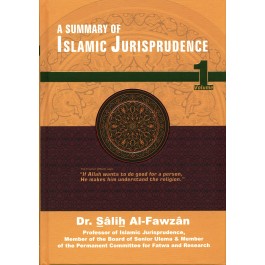
Al-Mulakhas al-Fiqhi (A Summary of Islamic Jurisprudence)

This topic is covered in Volume 2 of the above Book

This is the weekly Monday evening class on the book Al-Mulakhas al-Fiqhi by Shaykh Salih al-Fawzan. We begin with the Book of Trade Transactions, Chapter 6: Riba.

You may download a copy of the original Arabic text here: الملخص الفقهي

As with all of our classes at Masjid Tawheed in Stone Mountain, GA, we encourage you to join us.  If you are not able to attend in person, please feel free to listen in via our Spreaker channel or our telelink line at 712-432-2856.

Part 01 : Listen / Download Mp3 Here (Time 43:32)

Part 02 : Listen / Download Mp3 Here (Time 40:57)

Part 03 : Listen / Download Mp3 Here (Time 46:55)

Part 04 : Listen / Download Mp3 Here (Time 57:10)

Part 05 : Listen / Download Mp3 Here (Time 47:21)

Part 06 : Listen / Download Mp3 Here (Time 45:12)

Posted fromhttp://followthesalaf.com/home/?tag=Al-Mulakhas+Al-Fiqhi

Mistake Regarding Opening Supplication in Salah when the Person joins the Congregation late – Abdul-Qaadir al-Junayd – Abu Muhammad al Maghribee [Audio Benefit|En]

Listen / Download Mp3 Here (Time 4:59)
[audio https://salafiaudio.files.wordpress.com/2015/06/mistake-regarding-opening-supplication-in-salah-when-the-person-joins-the-congregation-late-abdul-qaadir-al-junayd-abu-muhammad-al-maghribee.mp3]

This Short clip is extracted from the Lecture
Telelink: Sheikh Abdul-Qaadir Al-Junayd – Common Mistakes In The Prayer Pt2
http://followthesalaf.com/home/2013/5/12/telelink-sheikh-abd

Further Reading:
Common Mistakes in Prayer – Shaykh Muhammad Bazmool [Free E-Book]

Not Looking at the place of Sujood (Prostration) in the Salah (Prayer) – Shaykh Abdul-Qaadir al-Junayd – Abu Muhammad al Maghribee [Audio Benefit|En]

Listen / Download Mp3 Here (Time 4:14)

This Short clip is extracted from the Lecture
Telelink: Sheikh Abdul-Qaadir Al-Junayd – Common Mistakes In The Prayer Pt2
http://followthesalaf.com/home/2013/5/12/telelink-sheikh-abd

Further Reading:
Common Mistakes in Prayer – Shaykh Muhammad Bazmool [Free E-Book]

Zakah: Its status in Islam – Imam Ibn Baaz [Excellent Article]

A lecture entitled, “Zakah: Its status in Islam“, which His Eminence gave in
Al-Jami Al-Kabir, Riyadh

In the Name of Allah, the Compassionate, the Merciful

Praise be to Allah, the Lord of all creation. May Allah’s Peace and Blessings be upon His Slave, Messenger, Khalil (beloved, close elect) and truthful conveyer of the Divine Revelation, our Prophet, Imam and Master Muhammad ibn `Abdullah, his family, and Companions and whosoever follows his example and seeks his guidance until the Day of Resurrection. To continue:

The topic of the lecture as the presenter said is (Status of Zakah in Islam). Every Muslim individual who possesses the least knowledge of Islam knows that Zakah, being the third pillar of Islam, holds a great status in Islam. Zakah has been mentioned in connection with Salah (Prayer) in many places of the Qur’an. The Prophet (peace be upon him) also mentioned Zakah next to Salah in numerous Hadiths.

Allah (Glorified and Exalted be He) says:

“And perform As-Salât (Iqâmat-as-Salât), and give Zakât and bow down (or submit yourselves with obedience to Allâh) along with those who bow down (in prayer)”  [Surah Al-Baqarah, 2: 43]

Allah (Glorified be He) also says:

“And perform As-Salât (Iqâmat-as-Salât), and give Zakât and obey the Messenger (Muhammad صلى الله عليه وسلم) that you may receive mercy (from Allâh)” [Surah Al-Nur, 24: 56]

In another place, Allah (Glorified and Exalted be He) also says:

“But if they repent, perform As-Salât (Iqâmat-as-Salât) and give Zakât, then they are your brethren in religion” [Surah At-Tawbah, 9: 11]

In yet another place, Allah (Exalted be He) says:

“And they were commanded not, but that they should worship Allâh, and worship none but Him Alone (abstaining from ascribing partners to Him), and perform As-Salât (Iqâmat-as-Salât) and give Zakât, and that is the right religion” [Surah Al-Bayyinah, 98: 5]

It is narrated in the Two Sahih (authentic) Books of Hadith (i.e., Al-Bukhari and Muslim) on the authority of `Abdullah ibn `Umar ibn Al-Khattab(may Allah be pleased with them both) that the Prophet (peace be upon him) said:

Islam was based on five pillars: testimony that there is no God but Allah and that Muhammad is the Messenger of Allah; performing Salah (prayers), giving Zakah; fasting Ramadan; and performing Hajj (pilgrimage).

[Narrated by Al-Bukhari, Book on faith, Chapter on Islam is based on five things, no. 8; Muslim, Book on faith, Chapter on Islam is founded on five (fundaments), no. 16; and Al-Tirmidhy, Book on faith, Chapter on Islam is based on five things, no. 2609, and the wording is his]

In another version, the Hadith reads:

Islam was based on five pillars: worshipping Allah Alone and disbelieving that there is any other Gods, performing Salah (Prayers), giving Zakah…

[Narrated by Muslim, Chapter on Islam is founded on five (fundaments), no. 16]

This indicates the great position which Zakah holds in Islam. It is mentioned next to Salah both in the Qur’an and Hadiths of the Prophet (peace be upon him). Salah is considered the cornerstone of Islam and the second greatest pillar next to only the Shahadah (testimony of faith).

Allah (Glorified and Exalted be He) says regarding Salah:

Guard strictly (five obligatory) As-Salawât (the prayers) especially the middle Salât (i.e. the best prayer – ‘Asr ). And stand before Allâh with obedience [and do not speak to others during the Salât (prayers)]. [Surah Al-Baqarah, 2: 238]

The Prophet (peace be upon him) is also reported to have said:

That which differentiates us from the disbelievers and hypocrites is our performance of Salah. He who abandons it, becomes a disbeliever.

[Narrated by Al-Tirmidhy, Book on faith, Chapter on abandoning Salah, no. 2621.]

In another Hadith, the Prophet (peace be upon him) is reported to have said:

What makes one a disbeliever and a polytheist is abandoning prayers.

[Narrated by Muslim, Book on faith, Chapter on calling one who neglects Salah a disbeliever, no. 82]

Zakah is the sister pillar of Salah.

Salah is a physical act of worship in which the Muslim stands before Allah supplicating to Him, mentioning His Name and reciting Ayahs of the Qur’an. It has such a great effect on hearts. If performed properly, Salah will restrain one from committing indecent acts and will serve as a means to attaining happiness, safety and salvation. It will also set their heart aright and bless their deeds.

One day the Prophet (peace be upon him) was speaking to his Sahabah (Companions of the Prophet) about Salah and he said:

Whoever observes it regularly, it will be a source of light, authoritative proof and a means of salvation on the Day of Resurrection, and whoever does not observe it regularly, it will not be a source of light, authoritative proof and a means of salvation and on the Day of Resurrection he will join the company of Fir`aun (Pharaoh), Haman, Qarun (Korah), and Ubay ibn Khalaf.

[Narrated by Imam Ahmad, Section on the Hadiths narrated by the Companions who narrated a large number of Hadiths, Section on the Hadiths narrated by `Abdullah ibn `Amar ibn Al-`As, no. 6540.’]

Narrated by Imam Ahmad and others with a good Sanad (chain of narrators).

Commenting on the above Hadith, some scholars said:

“On the Day of Resurrection one who abandons Salah will join the company of Pharaoh, Haman Qarun, and Ubayy ibn Khalaf on account of his imitating them.

The reason is that if he abandons it for the sake of holding a prestigious position, he will be behaving like Fir`aun (Pharaoh) who, being an enemy to Musa (Moses, peace be upon him), transgressed and behaved arrogantly taking advantage of his royal position. T

he same is true with Haman, Pharaoh’s minister, who, taking advantage of his position, behaved arrogantly and refused to follow Musa (Moses, peace be upon him). Therefore, one will dwell in Hellfire with Haman, Pharaoh’s minister, because of being occupied with his prestigious position and getting distracted from obeying Allah.

One who abandons it for the sake of collecting wealth will join the company of Qarun (Korah) who was addicted to the collection of wealth and lusting after his desires. He behaved arrogantly and disobeyed Prophet Musa. Thus, Allah caused the earth to swallow him up together with his dwelling. He was destined to enter Hellfire.Those who behave after the manner of Qarun will enter Hellfire with him. We seek refuge in Allah from this.

One who abandons Salah on account of being busy, conducting buying and selling transactions will be behaving after the manner of Ubay ibn Khalaf, the Makkan merchant, and will thus join his company in Hellfire. We seek refuge in Allah.

Zakah and Salah are equally important. Those who abstain from paying it on account of miserliness and greed for wealth will join the company of Allah’s enemy who preferred collecting wealth to showing obedience to Allah and His Messenger. It is reported that when the Prophet (peace be upon him) sent Mu`adh to Yemen, he said:

Invite them to bear witness that there is no God but Allah and that I am the Messenger of Allah. Should they accept your invitation, then tell them that Allah has prescribed upon them to offer five Prayers a day. Should they obey you, tell them that Allah has prescribed upon them to pay Zakah which is collected from the rich among them and given to the poor.”

[Narrated by Imam Ahmad, Section on Banu Hashim, the beginning of the Section on the Hadiths narrated by `Abdullah ibn `Abbas, no. 2072; Al-Bukhari, Book on Zakah, Chapter on taking Sadaqah from the rich and giving it to the poor…, no. 1496; and Muslim, Book on faith, Chapter on calling people to the testimony of faith…, no. 19.’]

This indicates that Zakah was prescribed as an act of sympathy and kindness to the poor. It is an obligation due from one’s wealth which they are obliged to ensure its delivery to those who deserve it. This is based on the Hadith of Ibn `Umar (may Allah be pleased with them both) that the Prophet (peace be upon him) said:

I have been commanded to fight against people until they testify that there is no God but Allah, and that Muhammad is the Messenger of Allah, perform the Prayer, and pay Zakah. If they do that, their blood and property are guaranteed protection on my behalf except when justified by law, and their affairs rest with Allah.

[Narrated by Al-Bukhari, Book on faith, Chapter on Allah’s Saying: “If they turn in repentance and establish the prayer”, no. 25; and Muslim, Book on faith, Chapter on the command to fight people until they profess that there is no God but Allah, no. 22.’]

This and other similar Hadiths indicate the lawfulness to fight those whose miserliness makes them abstain from paying Zakah.

During Abu Bakr’s lifetime, war was waged against those who refused to pay Zakah. This is because the blood of a Muslim is protected against being shed only when they establish Salah and pay Zakah. That is why when some Arabs refrained from paying Zakah following the Prophet’s demise, the Sahabah engaged in fighting against them so that they could pay it off. After the Prophet’s demise, some Muslims apostatized from Islam. Some of them said that had Muhammad been truly a Prophet of Allah, he would not have passed away. They forgot the fact that all prophets preceding him had also passed away.

Some others refused to pay Zakah. At this point Abu Bakr (may Allah be pleased with him) delivered a sermon encouraging the Sahabah (Companions of the Prophet) to fight the apostates until they came back to Islam. `Umar argued with him saying: “How will you fight those who bear witness that there is no God but Allah and that Muhammad is the Messenger of Allah?” Abu Bakr replied: “We have been commanded to fight against people until they testify that there is no God but Allah and that Muhammad is the Messenger of Allah. If they do that, their blood and property are guaranteed protection on our behalf except when justified by law.” Then Abu Bakr went on to say: “Is not Zakah one of Allah’s Rights? By Allah, I will keep fighting those who differentiate between Salah and Zakah. By Allah, if they refuse to give me as much as a she-kid which they used to give during the lifetime of the Messenger of Allah, I will fight them on its account. Then `Umar said: “It was nothing but Allah Who had guided Abu Bakr to fight and I came to realize that he was right.”

The Sahabah unanimously agreed on fighting the Murtads (apostates). They fought against them vigorously until they came back to the fold of Islam. Only those among them who were destined to die as Murtads were killed at the hands of Muslims. We seek refuge in Allah from this. The ones killed included Musaylimah Al-Kadhab (the head of the apostates who claimed himself a Prophet after the death of Prophet Muhammad), some of his followers, some people from Banu Asad, and others. As they refused to come back to Islam, Muslims continued to fight them until they were killed. Other Murtads were guided back to Islam by the Will of Allah.

To sum it up: Zakah is of great importance in Islam. It is the third greatest pillar next to Salah and Shahadah. Muslims are duty bound to deliver it to those who deserve it. If the Muslim ruler orders that Zakah be paid off to him to undertake the process of distributing it, his order must be executed. If he does not demand that, the believer has to distribute it to the poor and other people who deserve it.

Allah has defined the categories of Zakah recipientsin the Ayah (Qur’anic verse) where He (Glorified be He) says:

“As-Sadaqât (here it means Zakât) are only for the Fuqarâ’ (poor), and the Masâkin (needy) and those employed to collect (the funds), and to attract the hearts of those who have been inclined (towards Islâm), and to free the captives, and for those in debt, and for Allâh’s Cause, and for the wayfarer (a traveller who is cut off from everything); a duty imposed by Allâh. And Allâh is All-Knower, All-Wise. [Surah At-Tawbah, 9: 60]

The first and second categories of Zakah recipients include Faqirs (the poor) and the Miskins (the needy): These two have been defined as people who do not possess enough money. The Faqir is the person who does not have sufficient wealth to fulfill his needs or the needs of his dependents, such as food, drink, clothing and housing. The Miskin may be someone whose standard of living is better than the Faqir. However, their ruling is the same in all matters. They should be given an amount of Zakah which covers their basic needs for one whole year.

The third category of Zakah recipients includes those employed to collect Zakah: Collectors of Zakah include the people who travel around to collect it, or those who are responsible for maintaining it, or the scribes who record it in its register. Such people are given an amount from Zakah according to the effort they exert in collecting and maintaining it. The Muslim ruler can estimate the amount given to them.

The fourth category includes the hearts that are newly inclined to Islam, This category includes chiefs, masters and men of high standing whose word is listened to by their people. When they enter Islam, their people are expected to follow in their footsteps. When they refuse to accept Islam, the same will be the attitude of their people. They are given a portion of Zakah with the purpose of strengthening their Iman (faith), or winning the hearts of their counterparts, or seeking their help in defending Islam against its enemies.

The fifth category includes the freeing of slaves and captives of war: Zakah is to be given to slaves so that they can set themselves free from the bondage of slavery. In this regard, Zakah is given to the type of slaves known as Mukatabs (slaves with an agreement to buy their freedom). According to the correct view, one who delivers Zakah may buy slaves with the money of Zakah for the purpose of freeing them. It is also permissible that he uses the money of Zakah in buying Muslims who have fallen captive to the Kafirs (disbelievers). Thus Zakah is delivered to the Kafirs as a ransom to release the Muslim captives.

The sixth category includes those in debt: These are the people who borrow money from others to provide the basic needs of their dependents or to reconcile between Muslims. They offer to pay the money in order to bring about reconciliation between Muslims who are at enmity with each other. One who offers to pay money for that purpose should be given an amount of the Zakah even if he is rich. Zakah is also given to insolvent debtors who are incapable of paying off their debts.

The seventh category includes paying Zakah in the cause of Allah: in this category Zakah is given to equip Mujahidun (persons fighting in the Cause of Allah) with necessary weapons and cavalry if Bayt-ul-Mal (Muslim treasury) is short of providing them with this. Therefore, they are given a portion of Zakah which enables them to fight against the enemies of Allah.

The eighth category includes the wayfarers: wayfarers are people who move from one country to another. They may happen to run out of provisions due to the long distances they travel when journeying or being attacked by highway robbers or due to any other reason. They must be given a portion of Zakah which enables them to return home safely even if they are naturally rich people. They must be given an amount of Zakah that helps them return to their country.

Zakah has such a great effect when delivered to those eight categories of recipients. It helps them perform the duties of Allah and relieves them of their sufferings like paying off their debts if they are in debt or freeing themselves from the bondage of slavery if they are slaves or fighting in the cause of Allah if they are Mujahidun or assisting the wayfarers.It is out of Allah’s mercy that He makes His poor and rich Slaves co-operate with one another in righteousness and piety.

Payment of Zakah is a way of giving thanks to Allah because of the blessings He bestows upon them. Allah is the true Bestower of favors and blessings. It is the duty of every Muslim to pay out their Zakah as an act of showing gratitude to Allah. A Muslim should thank Allah for making him a deliverer and not a recipient of Zakah.

The Prophet (peace be upon him) said:

The upper hand is better than the lower one…

[Narrated by Al-Bukhari, Book on Zakah, Chapter on Sadaqah should only be given by the wealthy, no. 1428; and Muslim, Book on Zakah, Chapter on the statement that the upper hand (that which gives) is better than the lower hand (that which receives), no. 1034]

The upper hand is the one that delivers Zakah while the lower hand is the one which receives it. The Muslim should thank Allah for providing them with wealth which they are duty bound to give a portion of to Allah’s Slaves.

Zakah also purges the soul of the deliverer and purifies his wealth as well. Allah (Glorified be He) says:

Take Sadaqah (alms) from their wealth in order to purify them and sanctify them with it” [Surah At-Tawbah, 9: 103]

You will be rewarded on account of paying Zakah both in this life and the Hereafter. Your money is purified and preserved when you pay it out.

It is also a means of purifying the soul. This has been referred to in the above Ayah which reads: “Take Sadaqah (alms) from their wealth in order to purify them and sanctify them with it”

When the Muslim gives their fellow poor Muslims from the wealth that Allah has bestowed on them, they will be abundantly rewarded by Allah for relieving them of their distresses.This act of yours will make them hold you in high esteem. It may be that they will make Du`a’ (supplication) for you which may be a reason for your happiness and salvation in this life and the Hereafter. A Muslim is not harmed when they pay only a little amount of the many bounties that Allah has bestowed on them. They give these amounts to the children, old people and poor ones. The Muslim will receive great rewards from Allah.

Allah has threatened those who refuse to pay Zakah out of miserliness.

Allah (Glorified and Exalted be He) says:

And those who hoard up gold and silver [Al-Kanz: the money, the Zakât of which has not been paid] and spend them not in the Way of Allâh, announce unto them a painful torment

On the Day when that (Al-Kanz: money, gold and silver the Zakât of which has not been paid) will be heated in the Fire of Hell and with it will be branded their foreheads, their flanks, and their backs, (and it will be said unto them): “This is the treasure which you hoarded for yourselves. Now taste of what you used to hoard.” [Surah At-Tawbah, 9: 34-35]

This is the evil consequence of those who withhold payment of Zakah. They will be thrown into Hellfire where the wealth they amassed and refused to pay its Zakah will be a source of their agony on the Day of Resurrection. This will be a fitting retribution for their refusal to fulfill the right of Allah. While the wealth which a person does not give its due Zakah is labeled as “hoarded wealth“, that money whose due Zakah is paid is free of blame.

The Prophet (peace be upon him) said:

Whatever reaches a quantity on which Zakah is payable is not a treasure (kanz) when Zakah is paid

[Narrated by Abu Dawud, Book on Zakah, Chapter on what is Kanz and Zakah on jewelry, no. 1564]

Whenever you pay the Zakah due from the wealth in your possession, it will not be labeled as hoarded wealth and vice versa.If you refuse to pay Zakah due from it, it will be a source of your agony on the Day of Resurrection. It is authentically reported that the Prophet (peace be upon him) said:

Any person who possesses gold or silver and does not pay what is due from them (in another narration their Zakah); on the Day of Resurrection, plates of silver and gold would be heated for him in the fire of Hell and with them his flank, forehead, and back will be branded during a day the extent of which will be fifty thousand years. Then he will be shown his final abode, either to Paradise or to Hell.

He who possesses camels and does not pay what is due from him regarding them, will be thrown on his face or on his back in a vast desert plain (on the Day of Resurrection) and they will trample him with their hoofs and bite him with their teeth. As often as the first of them passes him, the last of them will be made to return during a day the extent of which will be fifty thousand years. And he would be shown his last abode either to Paradise or to Hell.

He who possesses cows and sheep and does not pay their Zakah (in another wording of the Hadith what is due on him regarding them) will be thrown on the Day of Judgment in a vast desert plain and they will trample him with their hoofs and gore him with their horns. As often as the last of them passes him the first of them would be made to return to him again during a day the extent of which would be fifty thousand years. Then he would be shown his last abode either to Paradise or to Hell.

[Narrated by Muslim, Book on Zakah, Chapter on sin of one who does not pay Zakah, no. 987.]

This Hadith indicates how severe the punishment is of one who refuses to pay Zakah out of miserliness. On the Day of Resurrection, their wealth will be a source of their grief and agony whether it be money, food, fruit, camels, cattle or sheep. They will be used as tools of punishment on the Day of Resurrection. The Prophet indicated how they will be punished with their own wealth. The same is true with regard to gold and silver and other things of the sort. We ask Allah to grant us safety and protection from this.

It is our duty and the duty of all Muslims to enjoin one another to pay Zakah.

We are duty bound to enjoin one another to fulfill Allah’s Rights, strive hard to do that and remind those who are negligent of paying Zakah. Reminding people of this benefits the believers. Zakah, Salah and fasting are all obligatory duties, yet one may be heedless of that because of the gravity of his sins which darken their heart and cause them to continually disobey Allah. Satan and his helpers also make their deeds fair-seeming to them until they become completely unmindful of Allah and the Hereafter. They fall victim to the worship of Satan and start to accompany evil people. Their hearts become obsessed with the love of wealth and lustful desires. They refuse to befriend righteous people and prefer to follow the path of deviant fellows. Therefore, it is the duty of all Muslims to remind those heedless Muslims.

Allah says:

And remind (by preaching the Qur’ân, O Muhammad صلى الله عليه وسلم), for verily, the reminding profits the believers [Surah Al-Dhariyat, 51: 55]

Allah (Glorified be He) also says:

So remind them (O Muhammad صلى الله عليه وسلم) – you are only one who reminds  [Surah Al-Ghashiyah, 88: 21]

A believer should remind his fellow believing brother. He should not assume that their fellow brothers are well aware of the consequences of refraining from paying Zakah. Whenever they see that their brothers have started to be neglectful of Allah’s duties, they must start advising them and reminding them of Allah through the use of kind words and gentle preaching. They should seem to beworried about them and concerned with their salvation and happiness. A true Muslim brother is one who keeps advising, reminding and directing you to the straight path. He never keeps himself away from you nor flatters you. Rather, he gives you counsel and admonishes you. He reminds you to be mindful of Allah. He shows you the path of salvation so that you can follow it and warns you of treading the path of perdition so that you can steer clear of it. You should never give up hope of advising him.

Allah (Glorified be He) says:

“…and never give up hope of Allâh’s Mercy” [Surah Yusuf, 12: 87]

Allah (Glorified be He) also says:

“Despair not of the Mercy of Allâh” [Surah Al-Zumar, 39: 53]

Reality proves that there have been many disobedient Muslims who continued to be heedless of Allah’s Commandments for years. Then, the time came when they were guided back to the straight path at the hands of righteous Muslims who kept encouraging them to perform deeds of righteousness. They started to awaken from their heedlessness and pray to Allah for the sake of those who guided them. As Allah shows them true guidance, they return to the path of truth and repent to Him of all their past sins. In this way, Allah forgives them and atones their previous misdeeds. So, I advise you, my dear brothers, not to give up hope.

Someone has told me just after Maghrib (Sunset) Prayer that he had come from Masjid Al-Nusiry and Masjid Al-Turky while the marketplaces there were filled with people who did not offer Salah and were busy conducting buying and selling transactions. He started to weep and said: “This is intolerable.” Therefore, I see that we are in need of advising and co-operating with one another. It should not be said that authorities in charge would undertake this duty. It is true that these authorities shoulder great responsibility and that they have to be held accountable if they ever fail to play their role properly. We ask Allah to grant them help and success.Muslim rulers shoulder great responsibility in this regard. Every Muslim whether educated, scholar, or judge shares their prescribed responsibility of disapproving evil acts and enjoining good ones. The more Muslims co-operate with one another and enjoin one another to hold fast to the truth, the less evil will spread. Marketplaces are filled with many Muslims who neglect offering Salah (Prayer) and sit outside Masjids (mosques) while their fellow Muslims are in the process of offering it. These people must be reminded of their negligence of Salah and passers-by must disapprove of this heinous act of theirs. They may be warned in such words as “Do you not fear Allah? How come you are sitting like this while your Muslim brothers are offering Salah.” One should join their fellow Muslims in Salah even if they are on a journey.

The Prophet (peace be upon him) passed by a man who did not move while the prayer was beginning. He asked him, “Are you not a Muslim?”

[Narrated by Imam Ahmad, the beginning of the Section on the Hadiths narrated by Al-Madinah narrators, the Hadith narrated by Mihjan Al-Diyaly, no. 15960; and Al-Nasa’y, Book on Imamate, Chapter on performing an obligatory Salah again in a congregation, no. 857]

He ordered him to join Salah with other Muslims even after he had already prayed.

After the Prophet had offered the Fajr (Dawn) Prayer in Mina in the year of the Farewell Hajj, some people said to him: “O Messenger of Allah! Here are two people who have not offered the Fajr Prayer with us.” He asked that they be brought to him. They came trembling with fear. The Prophet (peace be upon him) inquired: “What prevented you from offering Salah with us?” They said: “O Messenger of Allah! We offered it in our camp”. The Prophet said: “Never do this again.If you have prayed in your houses and then you come to the Masjid (mosque), then pray with the congregation. It will be regarded as supererogatory Prayer for you”.

[Narrated by Imam Ahmad, Section on the Hadiths narrated by Levanters narrators, the Hadith narrated by Yazid ibn Al-Aswad, no. 17020; and Al-Tirmidhy, Book on Salah, Chapter on a man offers Salah alone and then joins the congregation, no. 219]

If someone, who has already offered an Obligatory Prayer alone, goes to the Masjid and sees that the Congregational Prayer is not yet finished, they have to join the Muslims. If they happen to join the Imam in the first Rak`ah (unit of Prayer), then they will make Taslim (salutation of peace ending the Prayer) with him. If they miss some Rak`ahs, they have to make up for them after Taslim. When the Prophet was asked about some Muslim rulers who delay offering Salah until later times, he said to the questioner:

Observe the prayer at its proper time and if you can, do it along with them, and do not say that you have already observed prayer for it would be a supererogatory prayer for you.

[Narrated by Muslim, Book on Masjids and places for Salah, Chapter on disapproval of delaying Salah from its prescribed time…, no. 648; Al-Nasa’y, Book on Imamate, Chapter on performing Salah with wrongful rulers, no. 778; and Abu Dawud, Book on Salah, Chapter on if an Imam delays Salah after its prescribed time, no. 431.]

Muslims should reprimand those who sit in the streets at prayer time. Should one of them argue that he has already offered Salah, he must be ordered not to sit near the Masjid and to hide from people or join them in Prayer which will be regarded as supererogatory for him. He must be ordered to do this in order not to discourage people from offering Salah.He must be told to hasten to offer it with his fellow Muslims. It will be regarded as supererogatory Prayer if he has already offered it alone. The Imams at different Masjids should spend equal or similar times in offering Salah so that those who abandon Salah might not claim that they have prayed at such and such Masjid. Muslims are duty bound to co-operate in righteousness and piety and enjoin one another to hold steadfastly to the truth.

Allah describes those of His servants who are winners that they enjoin one another to hold to the path of truth and to endure it patiently. Allah (Glorified be He) says:

By Al-‘Asr (the time).

Verily, man is in loss,

Except those who believe (in Islâmic Monotheism) and do righteous good deeds, and recommend one another to the truth [i.e. order one another to perform all kinds of good deeds (Al-Ma‘ruf) which Allâh has ordained, and abstain from all kinds of sins and evil deeds (Al-Munkar which Allâh has forbidden], and recommend one another to patience (for the sufferings, harms, and injuries which one may encounter in Allâh’s Cause during preaching His religion of Islâmic Monotheism or Jihâd). [Surah Al-Asr]

Allah (Glorified be He) informs us that this type of people are the real winners who will attain happiness on account of their possession of the following four characteristics. Firstly, they have sincere belief in Allah and His Messenger. Secondly, they work deeds of righteousness which means that their Iman is fruitful. Iman is not just what resides firmly in the heart as it has to be confirmed by deeds. For example, it is not just enough to believe in the obligatory nature of Salah while neglecting to offer it, or to believe in the obligatory nature of Zakah while refusing to pay it, or to believe in the obligatory nature of fasting while abstaining from it. Iman has to be demonstrated both in words and in deeds. The real winners are those who combine between true Iman, righteous deeds and enjoining one another to do good and to remain steadfast. These are the real winners as they have firm belief in Allah and His Messenger. They declare the Oneness of Allah and His Messenger. They also believe in the Truth revealed by Allah and conveyed by His Messenger. Then, they practiced that really after their belief undertaking the obligations that Allah ordained and leaving the Prohibitions that He forbade. They also advised one another to hold fast to the truth without negligence or weakness, enjoining each other to the truth and cooperating with one another in righteousness and benevolent acts. They preached Islam, enjoined what is right and forbade what is wrong patiently as these matters cannot be attained without observing patience. Whoever seeks these merits has to keep patient and seek the help of Allah; beseeching Allah for His Help, thank Him, do the best in doing His Commandments, advising for His Sake, enjoining the right and forbidding the wrong, reminding people of Allah forbearingly. Undoubtedly, you have to bear troubles as it is the way of Paradise that is surrounded with troubling hardships. The Prophet (peace be upon him) says:

Paradise is surrounded by hardships and Hell-Fire is surrounded by temptations.

[Narrated by Muslim, Book on Paradise, description of its boon and inhabitants, first chapter, no. 2823]

There are many obstacles lying in the way to Jannah (Paradise). These obstacles have to be overcome with patience.

The greatest of these obstacles include following desires of the self, surrendering to the temptations of Shaytan (devil) and keeping company with evil friends. While the Shaytan makes bad deeds fair-seeming to the doer, his soul is naturally prone to evil and the evil company he keeps corrupts his manners.This evil company brings harm to him by causing him to deviate from the right path. Therefore, one should patiently endure breaking their relationship with them. One should also develop a kind of steadfast adherence to obeying the Commands of Allah and disobeying the incitements of Shaytan. One should have firm determination that helps them not to fall victim to their whims and desires which lead to eternal dwelling in Hellfire. Therefore, you will realize the true meaning of felicity by following the commands of Allah, refusing to follow your whims and desires and holding fast to the path of guidance and steadfastness.

Every Muslim man or woman is duty bound to hasten to performing congregational Salah (Prayer) at its appointed time. They should put aside everything that distracts them from offering Salah like work or sleep. Undoubtedly, some Muslims find this difficult to do. However, once one starts to tame themselves by exercising self-restraint, they will sense a feeling of pleasure overwhelming their hearts each time they offer Salah. Self-restraint will help make their souls amenable to them. Thus, the heart is revived each time the Prayer time becomes due. One will also sense a feeling of comfort upon offering Salah to which they will hasten with pleasure. They will sense the same feelings when doing other good deeds. However, if one neglects offering Salah surrendering themselves to whims and desires, Satan will play tricks on them and their heart will become weak to the point that they will feel that Salah is burdensome,because the heart becomes weak due to its submission to desires, devil, and tempting ways of laziness and harmful neglect when a servant argues, in his defense of his falsehood, saying, Allah is Oft-Forgiving, the Most-Merciful.. Allah is All-Forgiving and All-Generous while he forgets that Allah (Exalted be He) also says:

Declare (O Muhammad صلى الله عليه و سلم) unto My slaves, that truly, I am the Oft-Forgiving, the Most-Merciful. “And that My Torment is indeed the most painful torment. [Surah Al-Hijr, 15: 49-50]

He also forgets that Allah (Exalted be He) says:

The Forgiver of sin, the Acceptor of repentance, the Severe in punishment, the Bestower (of favours). Lâ ilâha illâ Huwa (none has the right to be worshipped but He), to Him is the final return. [Surah Ghafir, 40: 3]

Allah forgives and is merciful to those who turn to Him in repentance, yet He inflicts severe punishment on those who neglect His Rights.

May Allah grant all Muslims success and guidance. May He guide us and you to that which pleases Him. May He also guide us to His Straight Path, teach us what is beneficial to us, and assist us in obeying Him and fulfilling His Rights. May Allah make us all among those who co-operate in righteousness and piety and those who enjoin one another to hold steadfastly to the truth. Allah (Glorified and Exalted be He) is Most Generous and Most Gracious. May Allah’s Peace and Blessings be upon our Prophet Muhammad, his family, and Companions.

Posted fromhttp://www.alifta.net/Fatawa/FatawaChapters.aspx?languagename=en&View=Page&PageID=2507&PageNo=1&BookID=14

Zakah & Sadaqa Articles and Audiohttps://abdurrahman.org/zakat/

Do not Race with Imam in your Salah (Prayer)- Abdul-Qaadir-al-Junayd – Abu Muhammad al Maghribee [Audio Benefit|En]

Listen / Download Mp3 Here (Time 4:05)
[audio https://salafiaudio.files.wordpress.com/2015/06/do-not-race-with-imam-in-your-salah-prayer-abdul-qaadir-al-junayd-abu-muhammad-al-maghribee.mp3]

The Imam is there to be followed
Listen / Download Mp3 Here (Time 5:10)
[audio https://salafiaudio.files.wordpress.com/2015/06/the-imam-is-there-to-be-followed-abdul-qaadir-al-junayd-abu-muhammad-al-maghribee.mp3]

These Short clips are extracted from the Lecture
Telelink: Sheikh Abdul-Qaadir Al-Junayd – Common Mistakes In The Prayer Pt2
http://followthesalaf.com/home/2013/5/12/telelink-sheikh-abd

The Messenger of Allah (sallallaahu ‘alaihi wasallam) said:

Move not before the imam does. When the imam says. Allahu akbar, you say, Allahu akbar. When he says, waladh-dhalleen’ you say, aameen. In another narration, he said: Surely the imam is there to be followed[Sahih Muslim]

He also said:

Does not the one who raises his head before the imam does fear that Allah would transform his head into a donkey’s head [Sahih Muslim]

Further Reading:
Common Mistakes in Prayer – Shaykh Muhammad Bazmool [Free E-Book]

Book Of Fasting – Sharh al-Mumti alaa Zaad al-Mustaqni – Shaykh Uthaymeen – Abu Muhammad al Maghribee [Audio|En]

Kitab as-Siyam from Volume 6 of Sharh al-Mumti alaa Zaad al-Mustaqni by our noble Shaykh Muhammad ibn Salih al-Uthaymeen rahimahullah.

You may download a copy of the original Arabic text here: الشرح الممتع على زاد المستقنع

As with all of our classes at Masjid Tawheed in Stone Mountain, GA, we encourage you to join us.  If you are not able to attend in person, please feel free to listen in via our Spreaker channel or our telelink line at 712-432-2856.

Part 01 : Listen / Download Mp3 Here (Time 01:00:56)

Part 02 :Today we talk about fasting on Yawm as-Shak (Day of Doubt).

 Listen / Download Mp3 Here (Time 57:30)

Part 03 : Today we talk about global sighting vs. local sighting of the moon and two other opinions.

Listen / Download Mp3 Here (Time 01:02:32)

Part 04 : we start with the conditions that make it obligatory for someone to fast.

Listen / Download Mp3 Here (Time 01:00:49)

Part 05 :  we continue with the conditions that make it obligatory for someone to fast. In particular we talk about the traveler and the sick person.

Listen / Download Mp3 Here (Time 59:59)

Part 06 : we talk about the issue of whether a traveling person or menstruating woman for example has to start fasting if he reaches his destination before Maghrib or she finishes her cycle before Maghrib.

Listen / Download Mp3 Here (Time 01:01:15)

Part 07 : Tonight, we continue talking about the sick person and when he should fast and when he shouldn’t.

 Listen / Download Mp3 Here (Time 44:27)

Part 08 : Tonight, we go into the details of fasting during traveling.

Listen / Download Mp3 Here (Time 54:44)

Part 09 : This is the final class on Kitab as-Siyam from Volume 6 of Sharh al-Mumti alaa Zaad al-Mustaqni by our noble Shaykh Muhammad ibn Salih al-Uthaymeen rahimahullah.

Tonight, we talk about issues related to the pregnant and nursing women.

Listen / Download Mp3 Here (Time 58:58)

Posted fromhttp://followthesalaf.com/?tag=Sharh+al-Mumti

Impermissible for a Muslim to indulge in Trade after the 2nd Adhan of Jumu’ah – Shaykh Fawzan – Abu Muhammd al-Maghribee [Audio|En]

Listen / Download Mp3 Here (Time 11:21)
[audio https://salafiaudio.files.wordpress.com/2015/06/impermissible-for-a-muslim-to-indulge-in-trade-after-the-2nd-adhan-of-jumuah-shaykh-fawzan-abu-muhammd-al-maghribee.mp3]

This short benefit is extracted from the below lecture:

Prohibited Trade Transactions – Al-Mulakhas al-Fiqhi | Shaykh Fawzaan – Abu Muhammad al-Maghribee [Audio|En]

Allaah (The Most High) said:

يَا أَيُّهَا الَّذِينَ آمَنُوا إِذَا نُودِيَ لِلصَّلَاةِ مِنْ يَوْمِ الْجُمُعَةِ فَاسْعَوْا إِلَىٰ ذِكْرِ اللَّهِ وَذَرُوا الْبَيْعَ ۚ ذَٰلِكُمْ خَيْرٌ لَكُمْ إِنْ كُنْتُمْ تَعْلَمُونَ

فَإِذَا قُضِيَتِ الصَّلَاةُ فَانْتَشِرُوا فِي الْأَرْضِ وَابْتَغُوا مِنْ فَضْلِ اللَّهِ وَاذْكُرُوا اللَّهَ كَثِيرًا لَعَلَّكُمْ تُفْلِحُونَ

”O you who believe (Muslims)! When the call is proclaimed for the Salat (prayer) on the day of Friday (Jumu’ah prayer), come to the remembrance of Allah [Jumu’ah religious talk (Khutbah) and Salat (prayer)] and leave off business (and every other thing), that is better for you if you did but know! Then when the (Jumu’ah) Salat (prayer) is finished, you may disperse through the land, and seek the Bounty of Allah (by working, etc.), and remember Allah much, that you may be successful.” [Soorah Al-Jum’ah. Aayaat 9-10]

Prohibited Trade Transactions – Al-Mulakhas al-Fiqhi | Shaykh Fawzaan – Abu Muhammad al-Maghribee [Audio|En]

Al-Mulakhas al-Fiqhi (A Summary of Islamic Jurisprudence)

This is the weekly Monday evening class on the book Al-Mulakhas al-Fiqhi (A Summary of Islamic Jurisprudence) by Shaykh Salih al-Fawzan.

We continue with the Book of Trade Transactions, Chapter 2: Prohibited Trade Transactions

You may download a copy of the original Arabic text here: الملخص الفقهي

Part 01: Listen / Download Mp3 Here (Time 49:09)

Part 02: Listen / Download Mp3 Here (Time 52:28)

As with all of our classes at Masjid Tawheed in Stone Mountain, GA, we encourage you to join us.  If you are not able to attend in person, please feel free to listen in via our Spreaker channel or our telelink line at 712-432-2856.

Posted fromhttp://followthesalaf.com/?tag=Al-Mulakhas+Al-Fiqhi

Read the below excellent e-Book
Forbidden Business Transactions : Shaikh Saalih Al-Fawzaan

A Great Piece of Advice to the Men and Women who Listen to Music – Imam Ibn Baaz

Advising women who listen to music
Nur `Ala Al-Darb Program, Tape no. 11

Q: Kindly advise those women who listen to songs.

I advise all men and women not to listen to music, because they bring about evil consequences. Songs are presented on TV, broadcast on the radio, and recorded on cassettes. All Muslim men and women are thus required to beware the evil of these songs. Instead, they should listen to the Qur’an, Hadiths of the Prophet (peace be upon him) or Islamic lectures which benefit them in this life and the Hereafter.

As for songs and music, their evil is great as they may cause Muslims to deviate from their religion.

Songs and music may sow seeds of hypocrisy in the heart, at which point one begins to develop a dislike for everything that is good and become fond of every other thing that is evil. This is the true meaning of hypocrisy in addition to its literal meaning of pretending to be a Muslim while concealing Kufr (disbelief). Therefore, music is one of the means that invites to hypocrisy.

Having the habit of listening to music may lead to hating the recitation of the Qur’an, being heedless of beneficial advice, or listening to Hadiths of the Prophet (peace be upon him).

Moreover, one may be deluded into committing obscenities and corruption.

Thus, it is the duty of faithful men and women to be cautious of evil of songs and music.

Allah (Glorified and Exalted be He) states in the Glorious Qur’an:

And of mankind is he who purchases idle talks (i.e. music, singing, etc.) to mislead (men) from the Path of Allâh without knowledge, and takes it (the Path of Allâh, or the Verses of the Qur’ân) by way of mockery. For such there will be a humiliating torment (in the Hell-fire). (Surah Luqman, 31: 6)

And when Our Verses (of the Qur’ân) are recited to such a one, he turns away in pride, as if he heard them not – as if there were deafness in his ear. So announce to him a painful torment. (Surah Luqman, 31: 7)

Commentators of the Qur’an interpret “idol talk” to mean singing and it is equally applied to every sound produced by musical instruments and diversions. This is the view held by most scholars of the Qur’an (may Allah have mercy on them).

Commenting on the above Ayah (Qur’anic verse), `Abdullah Ibn Mas`ud (may Allah be pleased with him) swore:

“By Allah! The reference in this Ayah is to singing.”

He would swear and say:

“Singing causes the seeds of hypocrisy to grow in the heart like water causes seeds of plants to grow.”

This means that singing causes one to hate good and to love evil; to hate listening to the Qur’an and to love songs and diversion and other things of the sort. This is a type of hypocrisy.

A hypocrite pretends to be associated with Islam. He pretends to be a believer while in fact he conceals Kufr. He pretends to love the Qur’an while in fact he does not. Music causes one to hate listening to the Qur’an or listening to someone calling to the way of Allah. It encourages the love of falsehood, speaking evil and obscene words. It not only causes the heart to deviate from the straight path but also to develop a fondness for what Allah (Glorified be He) has declared prohibited.

This has been proven by experience. Those who are in close contact with singers know how corrupt and spoiled they are because of their love of music and song. This brings about great evil to those who are accustomed to it. There is no power or might except with Allah.

Posted fromhttp://www.alifta.net/Fatawa/FatawaChapters.aspx?languagename=en&View=Page&PageID=1316&PageNo=1&BookID=14

All the Posts related to Music and Singing

Ibn Baz about Anasheed

Scholar: Imâm ´Abdul-´Azîz bin ´Abdillâh bin Bâz
Source: binbaz.org.sa/mat/17946
Reference: Darulhadith, Sweden
Uploader: afatwa.com (site is down)

Question: Is it allowed to listen to Islâmic Anâshîd?

Shaykh Ibn Bâz: No. If these Anâshîd are sound and are in accordance with the Sharî’ah and are free from sins, then they are considered as allowed.

Hijrah is an Obligation Upon this Nation and it Continues Until The Hour is Established – Shaykh Fawzan | Dawud Burbank [Audio|En]

Bismillaah

Sharh-ul-Usool ath-Thalaathah : Lesson 43 (Part B) & Lesson 44 (Part A)
Shaykh Saalih al-Fawzan | Dawud Burbank [Audio|English]

[Souncloud Audio Link


Imaam Muhammad ibn ‘Abdul-Wahhaab (rahimahullaah) said:

والهجرة فريضة على هذه الأمة من بلد الشرك إلى بلد الإسلام ، وهي باقية إلى أن تقوم الساعة

Hijrah, from the land of shirk to the land of Islaam, is an obligation upon this nation and it continues until the Hour is established.[64]


[64] Shaykh Saalih al-Fawzan’s Explanation :

Hijrah is joined along with jihaad in Allaah’s cause and it is an obligation which remains, it is not being abrogated. It is obligatory upon every Muslim who needs to perform Hijrah that he should perform Hijrah. And it is not permissible for the Muslim to remain in the lands of kufr when he is not able to make his religion apparent; so then it is obligatory upon him to migrate to the lands of the Muslims. So it is an obligation which remains, because of his sallallaahu`alaihi wa sallam saying:

لا تنقطع الهجرة حتى تنقطع التوبة ، ولا تنقطع التوبة حتى تخرج الشمس من مغرﺑﻬا

Hijrah will not be cut off until repentance is cut off and repentance will not be cut off until the sun rises from its place of setting[1]


Imaam Muhammad ibn ‘Abdul-Wahhaab (rahimahullaah) said:

The proof is His Saying, the Most High:

إِنَّ الَّذِينَ تَوَفَّاهُمُ الْمَلَائِكَةُ ظَالِمِي أَنفُسِهِمْ قَالُوا فِيمَ كُنتُمْ ۖ قَالُوا كُنَّا مُسْتَضْعَفِينَ فِي الْأَرْضِ ۚ قَالُوا أَلَمْ تَكُنْ أَرْضُ اللَّهِ وَاسِعَةً فَتُهَاجِرُوا فِيهَا ۚ فَأُولَٰئِكَ مَأْوَاهُمْ جَهَنَّمُ ۖ وَسَاءَتْ مَصِيرًا

إِلَّا الْمُسْتَضْعَفِينَ مِنَ الرِّجَالِ وَالنِّسَاءِ وَالْوِلْدَانِ لَا يَسْتَطِيعُونَ حِيلَةً وَلَا يَهْتَدُونَ سَبِيلًا

فَأُولَٰئِكَ عَسَى اللَّهُ أَن يَعْفُوَ عَنْهُمْ ۚ وَكَانَ اللَّهُ عَفُوًّا غَفُورًا

«As for those whose souls the angels take in a state of having earned Allaah’s anger, the angels will say to them:  ‘In what condition were you?’ They will say: We were weakened (by the great numbers and strength of the people of shirk) in our land.’ They will reply: ‘Was not Allaah’s earth spacious so that you could make hijrah therein? These people will find their abode in Hell and what an evil destination that is. 

Except for those who were rendered weak from the men, women and children who were unable to migrate or find a way to do so. 

As for such people, Allaah will certainly pardon them and Allaah is ever One who pardons and forgives the sins of His servants.» [4:97-99] [65]


Shaykh Fawzan quoted the 100th ayah as well :

وَمَن يُهَاجِرْ فِي سَبِيلِ اللَّهِ يَجِدْ فِي الْأَرْضِ مُرَاغَمًا كَثِيرًا وَسَعَةً ۚ وَمَن يَخْرُجْ مِن بَيْتِهِ مُهَاجِرًا إِلَى اللَّهِ وَرَسُولِهِ ثُمَّ يُدْرِكْهُ الْمَوْتُ فَقَدْ وَقَعَ أَجْرُهُ عَلَى اللَّهِ ۗ وَكَانَ اللَّهُ غَفُورًا رَّحِيمًا

He who emigrates (from his home) in the Cause of Allah, will find on earth many dwelling places and plenty to live by. And whosoever leaves his home as an emigrant unto Allah and His Messenger, and death overtakes him, his reward is then surely incumbent upon Allah. And Allah is Ever Oft-Forgiving, Most Merciful. [4:100]


[65] Shaykh Saalih al-Fawzan’s Explanation :

These two aayaat contain a threat against abandoning performing the hijrah when the person is able to perform it – and that his abode will be the Hellfire – what an evil destination. Even though he does not exit from Islaam – this is from the nusoos al-wa`eed (the texts which contain a threat). So, if he abandons the hijrah, then he has abandoned something obligatory and he will be sinful. However, he does not exit from Islaam through abandonment of the hijrah, but there is a severe threat upon him.

Then, Allaah explains in the aayah after it, the excuse by which the obligation of the hijrah falls away. He, the Most High, said:

إِلَّا الْمُسْتَضْعَفِينَ مِنَ الرِّجَالِ وَالنِّسَاءِ وَالْوِلْدَانِ

«Except for those who were rendered weak from the men, the women and wildaan (children).» [4:98]

wildaan Meaning: the children.

لَا يَسْتَطِيعُونَ حِيلَةً

«Who were unable to migrate» [4:98]

They do not possess the ability.

وَلَا يَهْتَدُونَ سَبِيلًا

«Or find a way to do so» [4:98]

Meaning: they do not know the way to the land – the city – because hijrah requires (a person) to make a journey, otherwise (it may be the case) that a person dies during the journey if he does not know the way.

So therefore their excuse is in two matters:

  • Firstly: Those who were not able to carry it out.
  • Secondly: Those who do not know the way.

So even if they have the financial capability, but do not have awareness of the way that they could follow, someone to guide them upon the way – this is the correct excuse. As for the person who has the capability and knows the way, then there is no excuse for him.


Imaam Muhammad ibn ‘Abdul-Wahhaab (rahimahullaah) said:

And His saying, He the Most High:

يَا عِبَادِيَ الَّذِينَ آمَنُوا إِنَّ أَرْضِي وَاسِعَةٌ فَإِيَّايَ فَاعْبُدُونِ

«O My servants who believe! Indeed My earth is spacious, so worship Me alone.» [29:56]

قال البغوي رحمه الله : سبب نزول هذه الآية في المسلمين الذين بمكة ولم يهاجروا ، ناداهم الله باسم الإيمان

al-Baghawee (rahimahullaah) said: The reason for the sending down of this aayah concerns the Muslims who were in Makkah and did not migrate; Allaah addressed them with the title of eemaan.”

: والدليل على الهجرة من السنة قوله صلى الله عليه وسلم

» لا تنقطع الهجرة حتى تنقطع  التوبة ، ولا تنقطع التوبة حتى تطلع الشمس من مغرﺑﻬا «

The proof for the hijrah found in the Sunnah is his sallallaahu`alaihi wa sallam saying:

«Hijrah will not be discontinued until repentance is discontinued, and repentance will not be discontinued until the sun rises from its place of setting.»[66]


[66] Shaykh Saalih al-Fawzan’s Explanation :

This aayah is from Soorah al-`Ankaboot. It contains a command to migrate and that the earth of Allaah is spacious. So, if you are in a land where you are not able to make your religion apparent, in that case Allaah’s earth is spacious, so move away from it. Do not remain in the bad part; rather leave it and go somewhere in Allaah’s spacious earth. Allaah, the Perfect and Most High, has made the earth spacious. The proof for the hijrah found in the Sunnah is his sallallaahu`alaihi wa sallam saying:

»لا تنقطع الهجرة حتى تنقطع  التوبة ، ولا تنقطع التوبة حتى تطلع الشمس من مغرﺑﻬ ا «

«Hijrah will not be discontinued until repentance is discontinued, and repentance will not be discontinued until the sun rises from its place of setting[2]

As for his sallallaahu`alaihi wa sallam‘s saying:

» لا هجرة بعد الفتح «

«There is no migrating after the conquest (of Makkah).»[3]

What is apparent from the hadeeth is that the migrating came to an end after the conquest of Makkah. Some people think that there is a contradiction between the hadeeth and between his sallallaahu`alaihi wa sallam saying:

»لا تنقطع الهجرة حتى تنقطع  التوبة ، ولا تنقطع التوبة حتى تطلع الشمس من مغرﺑﻬا«

«Hijrah will not be discontinued until repentance is discontinued, and repentance will not be discontinued until the sun rises from its place of setting[4]

However, the people of knowledge respond to his hadeeth (by saying) that what is meant by «there is no migrating after the conquest» is (no migrating) from Makkah, since through the conquest, it became an abode of Islaam. The people thought that migrating remained from Makkah after the conquest so they wished to attain the reward of migrating. As for migrating from the land of disbelief, then it remains until the Hour is established. The proof is the previous aayaat and the previous prophetic hadeeth. This is the response to this difficulty.

 Footnotes:

[1] Reported by Aboo Daawood no. 2479 and Ahmad from a hadeeth of Mu`aawiyyah ibn Abee Sufyaan, radiyallaahu `anhumaa.

[2] Reported by Aboo Daawood no. 2479 and Ahmad from a hadeeth of Mu`aawiyyah ibn Sufyaan, radiyallaahu `anhumaa. [It was declared saheeh by al-Albaanee].

[3] Reported by al-Bukhaaree no. 2783 and Muslim no. 1353 from a hadeeth of ibn `Abbaas, radiyallaahu `anhumaa, and reported by Muslim no. 1864 from a hadeeth of `Aa.ishah, radiyallaahu `anhaa.

[4] Reported by Aboo Daawood no. 2479 and Ahmad from a hadeeth of Mu`aawiyyah ibn Sufyaan, radiyallaahu `anhumaa. [It was declared saheeh by al-Albaanee].

Sharh-ul-Usool-ith-Thalaathah. Explanation of the Three Fundamental Principles of Imaam Muhammad ibn ‘Abdil-Wahhaab by Shaykh Saalih ibn Fowzaan al-Fowzaan hafizahullaah. Translated by  Daawood  Burbank, rahimahullaah

Posted with kind permission from Dawud Burbank rahimahullaah

Listen to the Full Audio Series:
Sharh Usool-ith-Thalaathah – Shaykh Fawzan | Dawud Burbank

Book Study Resources – Three Fundamental Principles

Related Links:

https://abdurrahman.org/hijrah

10 Points Of Benefit Concerning The Creed Of Al-Allaamah Abdul Muhsin Al-Badr – Abu Muhammad al-Maghribee [Audio|En]

Part 01: Listen / Download Mp3 Here (Time 58:00)

Part 02: Listen / Download Mp3 Here (Time 51:39)

Part 03: Listen / Download Mp3 Here (Time 01:01:46)

Part 04: Listen / Download Mp3 Here (Time 50:52)

Part 05: Listen / Download Mp3 Here (Time 46:26)

Part 06: Listen / Download Mp3 Here (Time 45:30)

Part 07: Listen / Download Mp3 Here (Time 42:44)

Part 08: Listen / Download Mp3 Here (Time 39:38)

Part 09: Listen / Download Mp3 Here (Time 40:39)

Part 10: Listen / Download Mp3 Here (Time 50:21)

Posted fromhttp://followthesalaf.com/home/?tag=10+Points+on+Creed