“I am Allaah’s Slave and His Messenger” – Compiled & Translated by Dawud Burbank

بسم الله الرحمن الرحيم 

IMAAM AN-NASAA·EE reported in his “`Amalul-Yawm wal Laylah” (no. 250):

<<Aboo Bakr ibn Naafi` related to us, saying: Bahz narrated to us, saying: Hammaad ibn Salamah narrated to us, saying: Thaabit narrated to us: from Anas:

that some people said to Allaah’s Messenger (صلى الله عليه و سلم): “O best one of us, and the son of the best of us! O our chief and the son of our chief!” So Allaah’s Messenger (صلى الله عليه و سلم) said: << O people! Say what you have to say, and do not let Satan mislead you into following desires. I do not want you to raise me above the position which Allaah -the Most High – gave to me. I am Muhammad the son of ‘Abdullaah. His Slave and His Messenger. >>

Also reported by Ahmad, Ibn Humayd in “al-Muntakhab”, Ibn Mandah in “atTawheed”, and others.

Shaikh al-Albaanee said: “Its chain of narration is “Saheeh” to the standard of Muslim.” [“Ghaayatul-Maraam” (no. 127); “as-Saheehah” (nos. 1097 & 1572).

***

Shaikh Saalih al-Fawzaan -hafizahullaah- said in “I`aanatul-mustafeed bisharh Kitaabit-Tawheed” (2/435- ):

“…Their saying: “O our chief and the son of our chief!” was something the Prophet (صلى الله عليه و سلم) rebuked; and likewise their saying: “O best one of us and the son of the best of us! “The Prophet (صلى الله عليه و سلم) also criticised this, because the Messenger (صلى الله عليه و سلم) did not desire praise. Rather he wanted to be described with that which Allaah-the Most High – described him with: with Messengership and Prophethood, and that is sufficient honour for him (صلى الله عليه و سلم).

His saying: << And do not let Satan mislead you into following desires ( laa yastahwiyannakumush-Shaytaan). >> : (yastahwiyannakum) means: that he leads you into following desires which lead away from the path of Allaah -the Mighty and Majestic; or it is from “al-Hawiyy”, which means falling into destruction; meaning: let not Satan cause you to fall into misguidance, or let him not cause you to fall into desires which lead you astray from the path of Allaah -the Mighty and Majestic; for Satan misleads people in gradual stages, until he brings about their destruction. So the Muslim should be aware of Satan, and his misleading in gradual stages, and his leading into following desires. He should not relax with regard to Satan about anything, even if it is something slight, since it will become greater and larger.

Then he (صلى الله عليه و سلم) said:

<< I am Muhammad, Allaah’s Slave and His Messenger. >>

This is the correct way to mention him (صلى الله عليه و سلم) with praise: servitude and Messengership.

<< I do not love that you raise me above the position which Allaah -the Mighty and Majestic-gave to me. >>

This is the wisdom behind his (صلى الله عليه و سلم) forbiddance: that he feared for them, in their praising of him, that they would raise him above the position which Allaah gave to him; and that is Servitude (`Uboodiyyah) and Messengership (Risaalah). So he feared that they would start to believe that he had some aspects of Lordship ( Ruboobiyyah), just as happened to the Christians with regard to `Eesaa -`alaihis-Salaatu was-Salaam.

So the saying “His Slave” (`Abduhu ) prevents excessive praise (ghuluww); and the saying “His Messenger” (Rasooluhu) prevents belittlement of him (صلى الله عليه و سلم). So you should not just say that he is only a man and a human, and think that he has no distinction over the rest of mankind, as is said by the Unbelievers:

“You are nothing but a man like us” [Sooratush-Shu`araa·. (26): 154]

SO THESE TWO HADEETH [1] GIVE US SOME TREMENDOUS POINTS OF BENEFIT:

[1] i.e. This hadeeth along with a similar hadeeth of `Abdullaah ibn ash-Shikhkheerradiyallaahu `anhu.

THE FIRST POINT OF BENEFIT:

Is a warning against going beyond the limits (al-ghuluww) with regard to him (صلى الله عليه و سلم), by way of excessive praise; and that he should only be described with those attributes given to him by Allaah: Servitude ( al-`Uboodiyyah) and Messengership (ar-Risaalah).

As for going beyond the limits regarding him, and describing him as removing troubles and forgiving sins, and that rescue and relief can be sought from him- `alaihis-Salaatu was-Salaam-after his death: as actually occurs with many of those who have deviated today, in what they call “poems of praise of the Prophet”- such as “al-Burdah” of al-Boosayree; and its like from what has been said by the deviants; then this is excessiveness ( ghuluww) which has led to shirk; such as the saying of al-Boosayree:

‘O noblest one of the creation! I have none to seek protection
and shelter with besides you, when disasters strike;
And if you do not take hold of my hand in the Hereafter,
as a favour from you, then O how I shall fall!
Since from your generosity comes the whole world and its treasures;
and from your knowledge is the knowledge of the Preserved Tablet and the Pen.’

This is going beyond the due limits (ghuluww), and Allaah’s refuge is sought, which led to Unbelief and Shirk, to such an extent the he did not leave anything for Allaah at all! He ascribed everything to the Messenger (صلى الله عليه و سلم): This world and the Hereafter ascribed to the Messenger. The Preserved Tablet and the Pen ascribed to the Messenger. That none can save from the Torment on the Day of Resurrection except the Messenger. So what then remains for Allaah- the Mighty and Majestic?

This is a poem which they circulate, memorise, and recite during the “mawlid” (Innovated birthday celebrations). Likewise other poems of Kufr and Shirk, particularly that which they recite during the innovated mawlid (birthday celebrations) from poems of Shirk. The cause of all of this is exceeding the bounds (ghuluww) with regard to the Messenger (صلى الله عليه و سلم).

As for praising him (صلى الله عليه و سلم) with that which Allaah described him with, that he is a Slave [of Allaah] (`Abd) and Messenger (Rasool), and that he is the best of the creation, then there is no harm in this ; just as occurs in the poetry of the Companions who praised him, like the poetry of Hassaan ibn Thaabit, and Ka`b ibn Zuhayr, and likewise Ka`b ibn Maalik, and `Abdullaah ibn Rawaahah.

These are pure and good poems. The Prophet (صلى الله عليه و سلم) heard them and approved of them because they did not contain any excessive praise (ghuluww); rather they contained a mention of his (صلى الله عليه و سلم) characteristics…. >>. ”

***

Shaikh Muhammad ibn Saalih al-`Uthaymeen – rahimahullaah- said in “alQawlul-Mufeed `alaa Kitaabit-Tawheed”. ( 2/519-521):

“His saying: “I am Muhammad, the Slave of Allaah and His Messenger”: Muhammad is his personal name and “`Abdullaah’ (Allaah’s Slave) and “Rasooluhu” (His Messenger) are two attributes of his; and these two characteristics are the finest and most profound of the characteristics of the Messenger (صلى الله عليه و سلم). So therefore Allaah -the Most High – described him with Servitude with regard to the greatest of positions:

in the position of His sending the Qur·aan down to him. He-the Most High – said:

“Exalted is He who sent down the Criterion to His Slave” [Sooratul-Furqaan (25):1]

and He described him with it in the situation of the Night-Journey. He-the Most High – said:

“Perfect is He who took His Slave on a journey by night” [Sooratul-Israa· (17):1]

and He described him with it in the situation of his ascent through the heavens. He -the Most High – said:

“So He revealed to His Slave whatever He revealed” [Sooratun-Najm (53): 10]

and He described him with it in the situation of defending him and challenging his opponents. He-the Most High – said:

“And if you are in doubt concerning that which We sent down to Our Slave” [Sooratul-Baqarah (2):23]

and the same was the case with the (rest of the) Prophets, such as in His Saying – He the Most High:

“O descendants of those whom We carried in the ship along with Nooh. Indeed he was a thankful slave” [Sooratul-Israa· (17): 3]

So this is a special and specific Servitude, and it is the highest of the types of servitude. Then servitude to Allaah is the greatest of the attributes of mankind, since man will either worship Allaah or Satan. He-the Most High – said:

“Did I not command you, O descendants of Aadam, that you should not worship Satan. Indeed he is a clear enemy to you. And that you should worship Me alone. That is the Straight Path” [Soorah YaaSeen: (36):60-61]

Ibnul-Qayyim said:

“They fled away from the Servitude for which they were created, and were afflicted instead with servitude to the self and to Satan… (And His Messenger): Meaning: The One sent by Him to the whole of mankind. He- the Most High – said:

“Say: O Muhammad! I am indeed the Messenger of Allaah to you all” [Sooratul-A`raaf (7):158]

And Allaah’s Messenger (صلى الله عليه و سلم) is at the pinnacle of the levels of righteousness. He the Most High – said:

“And whoever obeys Allaah and the Messenger, then they will be along with those whom Allaah has bestowed favour upon; from the Prophets, their true and sincere followers, the martyrs, and the righteous; and what a fine company they are” [Sooratun-Nisaa· (4):69]

So amongst the Prophets was the Messenger (صلى الله عليه و سلم), indeed he was the most excellent of them…

And two groups went to extreme with regard to the Messenger (صلى الله عليه و سلم)

A group who went to such an extreme that they worshipped him, and they took him for times of ease and hardship, and they worshipped him and called upon him besides Allaah;

A group denied him; and claimed that he was a liar, a sorcerer, a poet, a madman, a soothsayer, and the like;

And his saying “Allaah’s Slave and His Messenger’ is a refutation of both of the groups…”

***

[Translated by Aboo Talhah Daawood ibn Ronald Burbank]

[Download PDF Here]

Posted fromhttps://alitisaambissunnah.wordpress.com

Related Links :

Committing Shirk in the Messengership of the Prophet ﷺ 

Writing ‘Ya Allaah & Ya Muhammad’ – Shaykh Rabee ibn Haadee

Ruling on Tabarruk by the Prophet’s ﷺ relics and supplicating to him – Shaik ibn Baaz

The Messenger ﷺ  did not stretch his hand from his grave to anyone – Ibn Baaz

Does the Prophet ﷺ have the knowledge of the unseen ? Dr. Saleh as-Saleh [Audio|En]

Was the Prophet ﷺ  created from light? – Al-Lajnah al-Daa’imah

Is the Prophet ﷺ Alive Now in his Grave ? – Dr. Saleh as Saleh [Audio|En]

Say (O Muhammad ﷺ): “I am only a man” – Explanation by Shaykh al-Fawzaan

Ruling On Qasidat al-Burda – Al´Allâmah ibn al-ʻUthaymīn [Video|Ar-En]

Q&A on The Qasidah Burdah of Busairi and the Ash’ari’s – Al-‘Allaamah Saalih al-Fawzaan [Video|Ar-En Subtitles]

Learn about our Prophet Muhammad (صلى الله عليه و سلم) – http://salaf-us-saalih.com/muhammad

Global Sighting vs. Local Sighting of the Moon – Shaykh Uthaymeen – Abu Muhammad al Maghribee [Audio|En]

Today we talk about global sighting vs. local sighting of the moon and two other opinions.

Part 03 : Listen / Download Mp3 Here (Time 01:02:32)

Posted from: Book Of Fasting – Sharh al-Mumti alaa Zaad al-Mustaqni – Shaykh Uthaymeen – Abu Muhammad al Maghribee [Audio|En]

Sourcehttp://followthesalaf.com

Obligation of paying Zakah on jewelry that is worn, intended to be worn, or borrowed – Imam Ibn Baz

Q: It is known that the scholars disagree as to whether it is obligatory to pay Zakah (obligatory charity) on jewelry that is worn, intended to be worn, or borrowed.What is Your Eminence’s opinion on this issue? Supposing that it is obligatory to pay Zakah on them, is there a Nisab (the minimum amount on which Zakah is due) for this? If there is a Nisab, it seems from the Hadith that indicate the obligation of giving Zakah on jewelry – where the Messenger of Allah (peace be upon him) warned against the punishment of Fire awaiting those who do not pay the Zakah – that there is no Nisab. How is this resolved? [1]

A: There is a famous controversy among the scholars as to whether it is obligatory to pay Zakah on gold and silver jewelry that is worn, intended to be worn, or borrowed. The preponderant opinion is that it is obligatory, according to the general evidence on the obligation of Zakah on gold and silver.

It was also authentically reported that `Abdullah ibn `Amr ibn Al-`As (may Allah be pleased with them both) said: A woman came to the Messenger of Allah (peace be upon him) with her daughter, on whose hand were two heavy bangles of gold. He (peace be upon him) asked, “Do you pay Zakah on these?” She said, “No.” He (peace be upon him) said, “Would it please you if Allah were to encircle you on the Day of Resurrection with two bracelets of Fire because of them?” She threw them down and said, “They are (I have given them away) for the sake of Allah and His Messenger.” [2]

It was also authentically reported from Um Salamah (may Allah be pleased with her) that she was wearing some gold ornaments, so she asked, “O Messenger of Allah! Is this Kanz (hoarded wealth, the Zakah of which has not been paid)?” He (peace be upon him) said, “Anything that reaches the amount at which Zakah is payable and its Zakah is paid is not considered Kanz.” [3] The Prophet (peace be upon him) did not tell her that there is no Zakah on jewelry.

All these Hadith refer to jewelry that reach the Nisab, when they are combined with other evidence, as Hadith explain one another just as Qur’anic Ayahs (verses) explain one another, and also Hadith explain Ayahs and make their generality specific and their absoluteness limited, because all of them are revelation from Allah (Glorified be He). Whatever comes from Allah is not contradictory; in fact they confirm and explain one another.

Therefore, it is necessary that a Hawl (one lunar year calculated from the time a property reaches the minimum amount upon which Zakah is due) must be completed (on jewelry) as is the case with other categories of Zakah wealth, such as money, commercial commodities, and livestock. May Allah grant us success.

[1] This was published in the book entitled “Tuhfat Al-Ikhwan” by His Eminence, p. 145; and Al-Da`wah magazine, issue no. 1519, dated 8/7/1416 A.H.

[2] Al-Nasa’y, Sunan, Book on Zakah, no. 2479; Abu Dawud, Sunan, Book on Zakah, no. 1563; and Ahmad ibn Hanbal, Musnad, vol. 2, p. 204.

[3] Narrated by Abu Dawud in Book on Zakah, Chapter on what is treasure & Zakah on jewelry, no. 1563; and Al-Nasa’y in Book on Zakah, Chapter on Zakah on jewelry, no. 2479.

Fatwas of Ibn Baz > Volume 14 > Book of Zakah > Chapter on Zakah on gold and silver > Obligation of paying Zakah on jewelry that is worn, intended to be worn, or borrowed

http://www.alifta.net/Fatawa/FatawaChapters.aspx?languagename=en&View=Page&PageID=2556&PageNo=1&BookID=14

How Abdullaah ibn Salaam (رَضِىَ اللهُ عَنْهُ) became Muslim – Compiled and Translated by Dawud Burbank

[From “Saheehus-Seeratin-Nabawiyyah‘ (pp.80-81), Shaikh al-Albaanee – rahimahullaah’s– verified edition of al-Haafiz Ibn Katheer –rahimahullaah’s– “as-Seeratun-Nabawiyyah‘.]

From `Awf ibn Maalik al-Ashja`ee, who said:

“The Prophet (صلى الله عليه و سلم) went off one day, and I was with him, until we entered a synagogue of the Jews (in al-Madeenah, on a festival day of theirs, and they disliked our entering upon them), and he said (to them):

<< O assembly of Jews! Show me twelve men who will bear witness that none has the right to be worshipped except Allaah, and that Muhammad is the Messenger of Allaah, and Allaah will remove from every Jew beneath the sky the Anger which He has upon them.>> He said: So they remained silent; no one responded to him. Then he repeated it, but no one responded to him. So he said:

<< You have refused, but, by Allaah ! I am indeed ‘al-Haashir’ (the Prophet after whom the people will be gathered), and I am ‘al-`Aaqib’ (the final Prophet), and I am ‘an-Nabiyyul-Mustafaa’ (the chosen Prophet): whether you believe or reject the truth.>>

Then he departed, and I was with him, until (when) we had almost left, a man behind us said: “Stay as you are, O Muhammad!’ Then that man said: ” What sort of man do you people know me to be amongst you, O company of Jews?’ They said: “By Allaah! We do not know there to be any man amongst us who knows Allaah’s Scripture better than you; nor who has better understanding of the religion than you; nor than your father before you; nor than your grandfather before your father.’ He said: “Then I testify for him, by Allaah, that he is indeed the Prophet of Allaah, whom you find in the Tawraat [Torah].” They said: “You have lied!’ Then they rebutted his saying, and they said evil things about him, so Allaah’s Messenger (صلى الله عليه و سلم) said:

<< You people have lied. Your saying will never be accepted. Just now you were praising him with the good that you were praising him with; but when he believed you called him a liar, and said what you have said. Your saying will never be accepted. >>

He said: So we departed, and we were three: Allaah’s Messenger (صلى الله عليه و سلم), myself, and `Abdullaah ibn Salaam; and Allaah -the Most High- sent down regarding him:

قُلْ أَرَأَيْتُمْ إِن كَانَ مِنْ عِندِ اللَّهِ وَكَفَرْتُم بِهِ وَشَهِدَ شَاهِدٌ مِّن بَنِي إِسْرَائِيلَ عَلَىٰ مِثْلِهِ فَآمَنَ وَاسْتَكْبَرْتُمْ ۖ إِنَّ اللَّهَ لَا يَهْدِي الْقَوْمَ الظَّالِمِينَ

“Say: Do you see: if this Qur·aan is from Allaah, and you reject it, and a witness from the children of Israa’eel testifies to its like, and believes in it; and you haughtily reject it; then Allaah does not guide the wrongdoing Disbelievers”  [ Sooratul-Ahqaaf (46): 10] [1]

[1] Shaikh al-Albaanee said: “Reported by Ahmad (6/25), and the additions are his; and by al-Haakim (3/415-416), and he said: “Saheeh to the standard of the two Shaikhs’! And adhDhahabee agreed with him! But it is only to the standard of Muslim, since al-Bukhaaree did not report the narrations of Safwaan ibn `Amr except in his “al-Adabul-Mufrad’.”

IMAAM AL-BUKHAAREE’S -rahimahullaah- NARRATION:

Imaam al-Bukhaaree narrated (no.3329): from Anas –radiyallaahu `anhu:

“Abdullaah ibn Salaam heard of the arrival of the Prophet (صلى الله عليه و سلم) at AlMadeenah, so he came to him and said: “I am going to ask you about three things which nobody but a Prophet will know.’

He said: “What is the first of the signs of the Hour? And what will be the first food, which the people of Paradise will eat? And on account of what does a child resemble its father; and on account of what does a child resemble its maternal uncles?’

So Allaah’s Messenger (صلى الله عليه و سلم) said: «Jibreel has just informed me of them.» He said: `Abdullaah said: “He is the enemy to the Jews from amongst the Angels.’ Allaah’s Messenger (صلى الله عليه و سلم) said:

«As for the first of the signs of the Hour, then it will be a fire, which gathers the people from the east to the west. As for the first food which the people of Paradise will eat, then it will be the extra lobe of the liver of the fish. As for the resemblance of the child, then when the man has intercourse with the woman and his semen outstrips the fluid of the woman, then the child will resemble him; and if her fluid outstrips, then the resemblance will be towards her.»

He said: “I testify that you are the Messenger of Allaah.’ Then he said: “O Messenger of Allaah! The Jews are a people who are great liars: if they know about my Islaam before you ask them, then they will lie about me to you.’ So the Jews came, and `Abdullaah ibn Salaam entered the house.

So Allaah’s Messenger (صلى الله عليه و سلم) said: «What sort of a man is `Abdullaah ibn Salaam amongst you?» They said: “He is the most knowledgeable one of us, and the son of the most knowledgeable one from amongst us; and he is the best one of us, and the son of the best one of us.’ So Allaah’s Messenger (صلى الله عليه و سلم) said: «What would you think if `Abdullaah were to accept Islaam?» They said: “May Allaah preserve him from that.’ So `Abdullaah came out to them and said: “I testify that none has the right to be worshipped except Allaah, and I testify that Muhammad is the Messenger of Allaah.’ So they said: “He is the most evil one of us, and the son of the most evil one of us’, and they spoke against him’.”

A BRIEF BIOGRAPHY OF `ABDULLAAH IBN SALAAM -radiyallaahu `anhu:

`Abdullaah ibn Salaam ibn al-Haarith, al-Israa·eelee, Aboo Yoosuf. He was previously a confederate of Banoo `Awf ibn al-Khazraj. He accepted Islaam when Allaah’s Messenger (صلى الله عليه و سلم) came to al-Madeenah. He was present at the battle of the Trench (al-Khandaq), and the battles after it. He was present with `Umar at the conquest of Jerusalem, and at alJaabiyah. He died in al-Madeenah in 43 H. [[ ref. “Tahdheebut-Tahdheeb’ of al-Haafiz Ibn Hajr]] Allaah’s Messenger (صلى الله عليه و سلم) bore witness that he will be a person of Paradise, as reported by al-Bukhaaree (no. 3812) and Muslim (no. 2483) from Sa`d ibn Abee Waqqaas –radiyallaahu `anhu– who said: “I never heard Allaah’s Messenger (صلى الله عليه و سلم) say about anyone who still walked upon the earth that he was a person of Paradise, except `Abdullaah ibn Salaam. He said: And this Aayah came down concerning him:

وَشَهِدَ شَاهِدٌ مِّن بَنِي إِسْرَائِيلَ عَلَىٰ مِثْلِهِ 

And a witness from the children of Israa·eel testifies to its like [Sooratul-Ahqaaf (46): 10]

And at-Tirmidhee reported (no. 3804) from Mu`aadh ibn Jabal -radiyallaahu `anhu- who said: I heard Allaah’s Messenger (صلى الله عليه و سلم) say: << He will be the tenth of ten in Paradise.>> [ Declared “Saheeh’ by Shaikh al-Albaanee.]

[Translated by Aboo Talhah Daawood ibn Ronald Burbank]

[Download the original PDF]

Posted from: https://alitisaambissunnah.wordpress.com

A Wet Dream During the Daytime in Ramadan – Shaykh bin Baaz رحمه الله

A Wet Dream During the Daytime in Ramadan – Shaykh bin Baaz رحمه الله
Source: http://www.binbaz.org.sa/node/18720
Translated by Abu Afnaan Muhammad ‘Abdullah حفظه الله
Video Courtesy : Bilal Nahim

Transcription of the Video :

Question:

What is obligatory upon the individual who has a Wet Dream [1] during the daytime in Ramadan? We would like the answer and may Allah reward you.

Shaykh ‘Abdul -‘Azeez ibn Baaz:

Nothing becomes obligatory due to a wet dream. If a man or woman has a wet dream in Ramadan and he/she is fasting, then there is nothing obligatory upon him/her as this does not occur due to one’s choice. If he dreams that he/she is having sexual intercourse and then sees that sperm has emitted, the fast is valid as Allah does not burden a person with more than they can bear.

This is an issue in which there is consensus between the scholars that there is nothing binding upon the person (in this situation) and all praise is due to Allah. Likewise, if he were to imagine and due to this, ejaculated, his fast is valid as it did not happen due to his choice.

[1] wet dream is a spontaneous orgasm during sleep that includes ejaculation for a male, or vaginal wetness or an orgasm (or both) for a female (source: wikipedia)

Recommended Sunnah actions upon the birth of a newborn? – Shaykh Muqbil

What are the recommended Sunnah actions upon the birth of a newborn? – Shaykh Muqbil رحمه الله
http://www.muqbel.net/fatwa.php?fatwa…
Translated by Abu Afnaan Muhammad ‘Abdullah حفظه الله
Video Courtesy: Bilal Nahim

Transcription of the Video :

Question :

What are the recommended Sunnah actions upon the birth of a newborn?

Shaykh Muqbil bin Hadee Al-Waadi’ee:

The recommended sunnah actions: Rather what is obligatory is the ‘Aqeeqah as the Prophet (صلى الله عليه وسلم) stated: “Every child is mortgaged with his ‘Aqeeqah. ‘And the ‘Aqeeqah is two sheep for a boy and one sheep for a girl”. That is one affair, the other affair is selecting a good name; meaning naming him with a pleasant name as Imam Muslim narrated in his Sahih from Abdillah ibn Umar that the Prophet (صلى الله عليه وسلم) said: “The most beloved names to Allah are ’Abdulah and ’Abdur Rahman”.

Beware beware! From naming your newborn with the names of the kufaar like George or the names of oppressors like Saddam, Ma’mar al Qadhafi or Hafidh Asad. So beware of naming it with these names. Also, naming the newborn Jamal is permissible. However, if what is desired from this is naming after Jamal Abdul Nasir -May Allah not have mercy upon him- then no. What is important is to choose a good name.

After that, also choosing a righteous wet nurse as the child is influenced by the woman who breastfeeds him. Also, beware beware of breastfeeding from an imbecilic woman or from a crazy woman or a woman suffering from a nervous condition as all of these affect the child, wallahul musta’aan

Backbiting and Tale Bearing in Ramadan – Shaykh bin Baaz رحمه الله

Backbiting and Tale Bearing in Ramadan – Shaykh bin Baaz رحمه الله
Source: http://www.binbaz.org.sa/node/18730
Translated by Abu Afnaan Muhammad ‘Abdullah حفظه الله
Video Courtesy: Bilal Nahim

Transcription of the Video:

Question Concerning Ramadan – honorable Sheikh – Do Backbiting and Tale Bearing in Ramadan break the fast and what are helpful things which assist in contemplation and fearing Allah in the prayer?

Shaykh ‘Abdul-‘Azeez bin Baaz:

Backbiting and Tale Bearing are two major sins. However, they do not break the fast, but the person incurs a grevious wrong doing as they are major sins, in Ramadan and in other months, yet they do not break the fast.

More to Read and Listen on this topic

http://salaf-us-saalih.com/category/islam/backbiting/

Does Using an (Asthma) Inhaler Break your Fast? – Dr Murtaza bin Baksh [Short Clip]

Does Using an Inhaler Break your Fast? – Dr Murtaza bin Bakhsh حفظه الله
Translated by Aboo Bilal Nahim ibn Abd al Majid حفظه الله

Video Courtesy: Bilal Nahim

Does Using an Inhaler Break your Fast

Using an Inhaler During for the Fasting Person

Question:

What is the ruling on a fasting person using an inhaler for breathing problems, and does it break the fast?

Answer  by Shaykh Uthaymeen:

This spray is vaporized and does not reach the stomach, so in that case, we say that there is no objection to using it when you are fasting, and it will not cause you to break your fast, because as we have said, none of its particles enter the stomach. Since it is something that is defused and vaporized, and it disappears, then none of it reaches the stomach, therefore it is permissible for you to use it when you are fasting and the fast is not invalidated by it.

Shaykh Muhammad bin Saalih al-`Uthaymeen
Fatawa Arkaanul-Islaam, DARUSSALAM, Vol.2, p.658

Forty Benefits arising from sending Salaat upon Allaah’s Messenger (صلى الله عليه و سلم) – Imaam Ibnul-Qayyim

بسم الله الرحمن الرحيم

Sending Salaat* Upon The Prophet (صلى الله عليه و سلم)
[* i.e. saying “Allaahumma salli ‘alaa Muhammad…”)

Imaam an-Nasaa·ee –rahimahullaah- reported in his “Sunan” (no.1297):

“Ishaaq ibn Mansoor related to us, saying: Muhammad ibn Yoosuf narrated to us, saying: Yoonus ibn Abee Ishaaq narrated to us: from Burayd ibn Abee Maryam who said: Anas ibn Maalik narrated to us, saying: Allaah’s Messenger (صلى الله عليه و سلم) said:

<<Whoever sends a single salaat upon me, then Allaah will send ten salawaaat upon Him, and ten sins will be removed from him, and he will be raised by ten ranks >>.”

Shaikh al-Albaanee-rahimahullaah- declared it “Saheeh”.

Shaikh al-Albaanee said in “Sifatus-Salaat” (p.165): ‘‘The most correct saying about the meaning of salaat upon the Prophet (صلى الله عليه و سلم) is the saying of Abul-‘Aaliyah:

“Allaah’s salaat upon His Prophet is His extolling him [[to the Angels]] and exalting him; and the salaat of the Angels and others upon him is to request this from Allaah -the Most High”; and what is meant is seeking increase, not the initiation of salaat al-Haafiz [Ibn Hajr] mentioned it in “al-Fath”.”

Imaam Ibnul-Qayyim -rahimahullaah, in his book “Jalaa·ul-Afhaam fee Fadlis-Salaati was-Salaam ‘alaa khayril anaam (صلى الله عليه و سلم)”, mentions forty benefits arising from sending salaat upon Allaah’s Messenger (صلى الله عليه و سلم):

1. Compliance with the Command of Allaah-the Perfect and Most High. [i.e. in Aayah 65 of Sooratul-Ahzaab].

2. Conformity with Him- He the Perfect- in sending salaat upon him, even though the two forms of salaat are different. So our salaat upon him is a supplication and a request, whereas the salaat of Allaah-the Most High-upon him is extolling and ennobling….

3. Conformity with the Angels in it.

4. Attaining ten salawaat [[plural of salaat]] from Allaah by the person who sends salaat upon him once.

5. That he is raised by ten levels.

6. That he has ten good deeds written for him.

7. That ten sins are erased from him.

8. That it is to be hoped that his supplication will be responded to if he precedes it with that. So it causes the supplication to ascend to the Lord of creation, when prior to this it was suspended between the heavens and the earth.

9. It is a means to attain his (صلى الله عليه و سلم) Intercession, if it is accompanied by a request for alwaseelah (a singular station in Paradise) for him, or even if it is on its own…

10. It is a means for forgiveness of sins …

11. It is a cause for Allaah to suffice the servant with regard to whatever concerns him.

12. It is a means for the person to gain nearness to him (صلى الله عليه و سلم) on the Day of Resurrection…

13.( It has the position of being like an act of charity upon a needy person.)**

14. It is a cause for the fulfillment of your needs.

15. It is a cause for Allaah to send salaat upon the person, and for the salaat of His Angels upon him.

16. It is a cleansing (zakaat) and purification for the person.

17. (It is a cause for the servant to receive glad tidings of Paradise before his death…) **

18. (It is a means for salvation from the terrors of the Day of Resurrection…) **

19. It is a cause for the Prophet (صلى الله عليه و سلم) to respond to the one who sends salaat and salaam upon him.

20. (It is a cause for the servant to remember that which he has forgotten.) **

21. It is a cause of good for the gathering, and for its not becoming a source of regret for its people on the Day of Resurrection.

22. (It is a means to repel poverty…) **

23. It repels from the person the description of being a miser, if he sends salaat upon him whenever he (صلى الله عليه و سلم) is mentioned.

24. He becomes saved from being supplicated against that his nose should be cleaved in dust, for abandoning it when he (صلى الله عليه و سلم) was mentioned.

25. It puts its companion upon the path to Paradise, and it causes the one who abandons it to err with regard to it.

26. It saves from the stench of a gathering wherein Allaah and His Messenger are not mentioned, and where Allaah-the Most High- is not praised and extolled, and where salaat is not sent upon His Messenger (صلى الله عليه و سلم).

27. It is a means for the completion of the speech which was begun with praise of Allaah and salaat upon His Messenger (صلى الله عليه و سلم).

28. (It is a cause for the servant”s light to be increased upon the Bridge (as-Siraat).) **

29. It takes the servant away from coarseness.

30. It is a cause for Allaah –the Perfect- to bestow favourable praise upon the one who sends salaat upon him, praising him to the inhabitants of the Heavens and the earth. This is because the one who sends salaat upon him is asking Allaah to extol His Messenger, and to honour, and ennoble him. So recompense conforms to the type of deed, so the one who sends salaat must in turn receive some form of this.

31. It is a cause of blessing for the one who sends salaat, in his self, his deeds, and his life, and the means of his welfare. This is because the one who sends salaat is supplicating to his Lord that He should bless him and his true followers; and this supplication will be answered; and recompense conforms to the deed.

32. It is a means for his attaining the Mercy of Allaah, since mercy is either the meaning of the salaat –upon the saying of some; or it is otherwise something necessitated by it, and required from it-upon the correct saying. So the one who sends salaat upon him must certainly receive Mercy.

33. It is a means to perpetuate his love of the Messenger (صلى الله عليه و سلم),and to increase it, and to multiply it; and that is one of the essential fundamentals of Eemaan, which it will not be complete without; since the more a servant mentions the one he loves, and remembers him in his heart, and remembers his fine qualities, and those things which instill love of him, then his love of him will increase, and yearning for him will grow, and this will overcome his whole heart. But if he turns away from mentioning him and from thinking of him and of his fine qualities in his heart, then love of him will be reduced in his heart. So there is nothing more pleasing to the one who loves than seeing the one whom he loves, and nothing gives greater pleasure to his heart than mentioning him, and thinking of him and of his fine qualities. So when this becomes strong in his heart, then his tongue will praise and extol him…

34. That salaat upon him (صلى الله عليه و سلم) is a cause of his loving that person. So because it is a cause for the one who sends salaat upon him to increase in love of him, likewise it is a cause for him to love the one who sends salaat upon him (صلى الله عليه و سلم).

35. It is a means for the guidance of the person and for his heart to have life…

36. (It is a cause for the one who sends salaat upon him (صلى الله عليه و سلم) to have his name presented to him, and for his being mentioned to him…) **

37. (It is a cause for the feet to be planted firmly upon the Siraat, and for the person”s passing over it…) **

38. That sending salaat upon him fulfils the slightest part of his right…

39. That it comprises remembrance of Allaah and thankfulness to Him, and recognition of His Favour upon His servants in sending him. So the one who sends salaat upon him (صلى الله عليه و سلم) includes in his salaat upon him remembrance of Allaah and remembrance of His Messenger…

40. That salaat upon him from the person is supplication (du’aa), and the persons du’aa. to his Lord and his requests to his Lord are of two types:

(i) His requesting his own needs and concerns, and whatever he requires throughout the night and the day. So this is supplication and request, and is to give precedence to that which the servant loves and seeks;

(ii) His requesting that He should extol His chosen and beloved servant, and increase him in nobility and honour, and make mention of him, and elevate him. So there is no doubt that Allaah-the Most High-loves that, and his Messenger (صلى الله عليه و سلم) loves it. So the one who sends salaat upon him (صلى الله عليه و سلم) has turned his requests, that which he desires, and that which he seeks towards that which is loved by Allaah-the Most High- and His Messenger; and he has given preference to that over his own needs and requirements. Indeed this that he seeks has become the most beloved of things to him, and that which he most prefers. So he has given preference to that which Allaah and His Messenger love over that which he himself loves. So he has given preference to Allaah and to what He loves over everything else, and recompense conforms to the action. So whoever gives preference to Allaah over everything else, then Allaah will give preference to him over others…””

[(**) The verifier of the book (Zaa·id an-Nushayree) indicates that these points (nos.13, 17, 18, 20, 22, 28, 36, & 37) are based upon weak ahaadeeth.]

[Translated by Aboo Talhah Daawood ibn Ronald Burbank]

[Download PDF Here ]

Posted fromhttps://alitisaambissunnah.wordpress.com/

All Posts related to Durood (Sending Salaat on the Messenger صلى الله عليه و سلم) :

Zakah of a Person who is in Debt – Shaykh ibn Uthaymeen

Q. 359. Is it correct for a person who is in debt to give charity? And what legal obligations are lifted from the debtor? 

A. Charity is a form of spending which is commanded by the Islamic Law, and it is a form of Ihsan towards Allah’s worshippers, if it is given where it is needed. A person will be rewarded for his charity, and every man will be in the shade of his charity on the Day of Resurrection and it is accepted whether a person is in debt or not, as long as the conditions for its acceptance are met.

These conditions are that it is given purely and sincerely for Allah, the Almighty, the All-Powerful’s sake, that it is from honest earnings, and it is given where it is needed.

If these conditions are fulfilled, then the charity is accepted, according to the legal evidences; and it is not a condition that a person be free of debt. But if the debt covers all that he has, then it is not wise, nor is it logical that he should give charity while charity is recommended, not obligatory and that he should leave the debt which is an obligation on him. He should begin first with the obligation, then give charity.

Scholars have disagreed regarding the situation if a person gives charity when he has a debt covering all of his wealth: Some of them say that it is not permissible because it harms his creditor, and it causes this obligatory debt to remain unpaid. Some of them say that it is permissible, but that it contradicts what is more worthy.

In any case, it is not fitting for a person whose debt covers all that he has, to give charity until he has settled his debt, because an obligation takes precedence over a voluntary act of worship.

As for the legal obligations that are lifted from one who is indebted until such time as he pays it, they include Hajj, because Hajj is not incumbent upon a person who is in debt until he has paid it.

As for Zakah, scholars have differed regarding whether its obligation is lifted from the debtor until such lime as he pays the debt or not.

Among the scholars are those who say that the obligation of Zakah is lifted on the amount which is equivalent to the debt, whether the wealth is evident or not.

Among them are those who say that the obligation to pay Zakah is not lifted on the amount which is equivalent to the debt; rather he must pay Zakah on the whole amount which he possesses. If there is a debt incumbent on him, the Nisab is decreased.

There are those among them who discriminate, saying that if the wealth is concealed, wealth which is not seen and is not perceptible, such as money and trading merchandise, then the obligation to pay Zakah is lifted on the amount which is equivalent to the debt, while if the wealth is in the form of perceptible things, such livestock and the produce of the earth, then the obligation to pay Zakah is not lifted.

The correct view in my opinion is that the obligation to pay it is not lifted, regardless of whether the wealth is perceptible or not, and that every person who has wealth in his hand upon which Zakah is payable must pay his Zakah, even if he is in debt.

This is because Zakah is incumbent upon wealth, according to the Words of Allah, the Most High:

“Take Sadaqah (alms) from their wealth in order to purify them and sanctify them with it, and invoke Allah for them. Verily your invocations are a source of security for them; and Allah is All- Hearer, All-Knower” [At-Tawbah 9:103]

And the words of the Prophet to Mu’ath bin Jabal, may Allah be pleased with him, when he sent him to Yemen:

“Inform them that Allah has made incumbent upon them the payment of Zakah on their wealth; it is taken from the wealthy among them and distributed among their poor.” [2]

The Hadith is in Sahih Al-Bukhari with this wording. By this evidence from the Book (of Allah) and the Sunnah, the two things are separate, and there is no conflict between Zakah and a debt, because a debt remains an obligation and Zakah is incumbent upon wealth. So, each of them is incumbent in a place wherein the other is not incumbent, so there is no conflict between them, and no contradiction, and thus a debt remains the responsibility of its owner and Zakah remains incumbent on wealth, and he must pay it from the wealth in all circumstances.

[2] Reported by Al-Bukhari in the Book of Zakah, in the Chapter: The Obligation of Zakah ( 1 395 ); and by Muslim in the Book of Faith, in the Chapter: Calling to the Shahadatan and the Laws of Islam (19).

Posted from :
Fatawa Arkanul-Islam – Islamic Verdicts on the Pillars of Islam (Volume Two) – Prayer, Zakah, Fasting, Hajj
By the Honorable Shaikh Muhammad bin Salih Al- ‘Uthaimeen
Collected and Arranged by Fahd bin Nasir bin Ibrahim As-Sulaiman – Published by Dar-us-Salam

Zakah is calculated according to the Hijri calendar – Permanent Commitee

Fatwa : 19665

Q : Should the Hawl (one lunar year calculated from the time a property reaches the minimum amount upon which Zakah is due) for the Zakah (obligatory charity) on money and commercial commodities be considered according to the Hijri (lunar) year or the Gregorian solar year, as there is a difference of 11 days between both? Ifthe calculation of Zakah is made according to the Hijri year, what is the solution for organizations that issue their budgets and calculate their Zakah according to the solar year. Is it permissible to delay paying the due Zakah on commercial commodities beyond the Hijri year, as several contracting organizations delay the issuance of budgets six months after the passing of the year of Zakah?

A : Zakah is due on property after the passing of 12 months according to the Hijri calendar.

Allah (Exalted be He) says:

They ask you (O Muhammad صلى الله عليه وسلم) about the new moons. Say: These are signs to mark fixed periods of time for mankind and for the pilgrimage. [Surah Al-Baqarah, 2: 189]

It is impermissible to delay the payment of Zakah beyond the fixed time unless a legal excuse preventing the payment is verified.

Allah (Exalted be He) says:

…pay the due thereof (its Zakât, according to Allâh’s Orders 1/10th or 1/20th) on the day of its harvest [Surah Al-An`am, 6: 141]

Allah (Exalted be He) also says:

…and perform As-Salât (Iqâmat-as-Salât), and give Zakât.[Surah Al-Baqarah, 2: 43]

This command indicates immediate response.

May Allah grant us success. May peace and blessings be upon our Prophet Muhammad, his family, and Companions.

The Permanent Committee for Scholarly Research and Ifta’

Posted from: http://www.alifta.net/Fatawa/FatawaChapters.aspx?languagename=en&View=Page&PageID=13091&PageNo=1&BookID=7

48 Questions and Answers on Fasting (سؤالاً في الصيام) by Shaykh al-Uthaymeen – Abu Muhammad al-Maghribee [Audio|En]

Benefitting from the Blessed Month of Ramadhan

Readings from the treatise “48 Questions and Answers on Fasting” (سؤالاً في الصيام) by Shaykh Muhammad ibn Saalih al-Uthaymeen , rahimahullaah. Delivered by Abu Muhammad al-Maghribi at the Islamic Center of Palm Beach , FL USA

Download the arabic text of the book at :
http://www.ibnothaimeen.com/all/books/article_16898.shtml

Part 01 : Listen / Download Mp3 Here (Time 1:20:08)

Part 02 : Listen / Download Mp3 Here (Time 1:09:21)

Part 03 : Listen / Download Mp3 Here (Time 52:34)

Part 04 : Listen / Download Mp3 Here (Time 32:44)

Part 05 : Listen / Download Mp3 Here (Time 59:39)

Part 06 : Listen / Download Mp3 Here (Time 2:01:37)

Audio Courtesyhttp://followthesalaf.com/home/2015/6/10/islamic-center-palm-beach-seminar-june-2015

Choosing Friends Wisely – Shaykh Rabee | Abu Muhammad Al Maghribee [Audio|En]

This is a general lecture, taken from a talk by our noble Shaykh Rabee ibn Hadee al-Madkhalee hafidhahullah on the Effects of Taqwa, the characteristics of the Muttaqoon and the rewards prepared for them”

Listen / Download Mp3 Here (Time 57:33)

Posted from: http://followthesalaf.com/home/2015/6/4/choosing-friends-wisely

Related Posts:

Allaah bears witness that none has the right to be worshipped but He & likewise the Angels and the people of knowledge

So the proof for the shahaadah (testification) is:

Allah bears witness that Laa ilaaha illa Huwa (none has the right to be worshipped but He), and the angels, and those having knowledge (also give this witness); (He is always) maintaining His creation in Justice. Laa ilaah illa Huwa (none has the right to be worshipped but He), the All-Mighty, the All-Wise. [Al-Qur’an 3:18] 33 


[33]: 

His saying, he the most high, “He testified“: meaning He judged and He decreed and He informed and He made clear and He made it binding. So bearing witness from Allaah revolves around these five meanings: judgingdecreeing , informing ,clarifying and making binding.

So the meaning of, “He testified”, is He the Perfect and Most High decreed it upon His servants and He calls them to know of it and He informed them and He made it binding upon them that none has the right to be worshipped except Him.

laa ilaaha”, (none had the right to be worshipped): this is a negating ‘laa’ which negates everything which is worshipped besides Allaah

illaahu”, (except for Him): this affirms worship for Allaah alone.

And the meaning of, “annahu laailaaha illaahu”, (none has the right to be worshipped but him): it means there is nothing that is worshipped rightfully except for Allaah the Perfect and Most High. As for those who are worshipped besides Allaah, then worship of it is false because of His saying He the Most High:

That is because Allaah, He is the true God deserving all worship and those whom they call upon besides Him are futile and false and Allaah He is the Most High the Most Great [22:62]

He the Perfect and Most High testifies to His unity and the right to all worship and He is the most truthful One Who speaks and His bearing witness He the Perfect and Most High is the truest testification there can be because it comes from One Who is All-Wise, All-Aware, All-Knowing, he knows everything so therefore it is a testification which is true.

“And the Angels”: they testify that none has the right to be worshipped except Him and they are a species of beings whom Allaah created to worship Him. They are honourable Angels, honoured servants, Allaah created them to worship Him. They declare His perfection night and day, and they never slacken. And also Allaah created them to carry out His commands in the creation, He entrusted them with implementing whatever He commanded, He the Perfect and Most High, from the affairs of the creation. So every Angel from them is entrusted with a duty. And their testification is a true testification, because they are people of knowledge, and of ‘ibaadah (worship) and of ma‘rifah (awareness) of Allaah the Mighty and Majestic. And they are from the most excellent of the creation, along with the point of disagreement which is are the righteous humans more excellent than the Angels, or are the Angels more excellent than the righteous humans there being disagreement about that point.

“And the people of knowledge”: they are of two categories: the Angels, and the second category are the Possessors of Knowledge from mankind. And the Possessors of Knowledge do not testify except with something that is true, contrary to the case with those who are ignorant people, for their testification is not counted. And every species from the creation of Allaah bears witness for Allaah of His Unity and that none has the right to be worshipped but Him. And this is a case of showing the honour and nobility of the people of knowledge since Allaah joined their testification along with His testification, He the Perfect and Most High, and with the testification of His Angels. He counted the testification of the people of knowledge from the creation, and this shows their excellence and their nobility and their status, and they are testifying to the greatest matter that can be testified to, and it is at-Tawheed.

And what is meant by the Possessors of Knowledge – are the people of knowledge of the Legislation (i.e. Islaamic knowledge), not as is said by some people that people of knowledge means the people of industry and agriculture, so those people, it is not said about them that they are People of Knowledge unrestrictedly, because their knowledge is limited in scope and is restricted, rather it is to be said, “this person is knowledgeable about arithmetic, this person is knowledgeable about engineering, this person is knowledgeable about medicine”, but it is not said about them that they are the People of Knowledge unrestrictedly. Because this term is not used unrestrictedly except for the people who have Islaamic knowledge. And also most of those people are people who have only wordly knowledge, and amongst them are atheists whose knowledge mostly only increases them in ignorance concerning Allaah the Mighty and Majestic, and in self delusion and in atheism as you can see today in the disbelieving nations, that they are advanced with regards to industries and with regards to agriculture, however they are disbelievers. So how could it be said that they are the People of Knowledge, those whom Allaah has mentioned in His saying, “and the Possessors of Knowledge”. This is not at all feasible.

And likewise His saying:

It is only those who have Knowledge amongst His slaves that fear Allaah [35:28]

What is meant is the scholars of Islaamic knowledge, those who truly know Allaah and who truly worship Him and who fear Him. As for those people, then most of them do not fear Allaah, the Mighty and Majestic. Rather they disbelieve in Allaah and deny Him, and they claim that the world has no Lord and that rather nature brought it about and controls it, as is the case with the communists – they reject the Lord, the Perfect and Most High, even though they have worldly knowledge. So how then could we say – those people, they are the People of Knowledge?

This is an error. So the term ‘Knowledge’ is not applied unrestrictedly except to its true people, and it is a noble title which cannot be applied to atheists and disbelievers, such that it is said, “they are the people of Knowledge”.

So the Angels and the possessors of Knowledge, they bear witness to Allaah’s Unity and sole right to worship. Therefore the saying of others besides them from the atheists and the people of shirk and the Sabeans, those who disbelieve in Allaah the Mighty and Majestic, is not counted. Those people, they are not counted, neither they nor their saying, because it is something contrary to the testification of Allaah and the testification of His Angels and the testification of those possessing knowledge from His Creation.

And His saying, “Qaa’imambil-Qist”, (maintaining justice): this phrase is in the accusative case indicating a state along with, ‘He bore witness’ – meaning whilst establishing justice, He the Perfect and Most High. And the word, “al-Qist”, means al-‘adl (justice) – meaning Allaah the Perfect and Most High establishes justice in everything, and al-‘adl (justice), is the opposite of al-jawr (injustice), and He the Perfect and Most High is a just judge, nothing but justice comes from Him in everything.

Laa ilaaha illahu”, (none has the right to be worshipped but Him): this emphasizes the first sentence.

Al-‘Azeez-ul-Hakeem”, (the Almighty the All-Wise): these are two Names of Allaah the Mighty and Majestic, comprising two Attributes from His Attributes, and they are al-‘Izzah (Might) and al-Hikmah (Wisdom).

Sharh-ul-Usool-ith-Thalaathah by Shaikh Saalih al-Fawzaan
Explained by Dawud Burbank rahimahullaah
Above are the Excerpts from Transcribed Audio

Visit the link for other transcripts : Sharh-ul-Usool-ith-Thalaathah by Shaikh Saalih al-Fawzaan

When Death Approached Aboo Dharr (radi Allaahu anhu)

بسم الله الرحمن الرحيم

al-Haafiz `Abdul-`Azeem al-Mundhiree -rahimahullaah- (d. 656 H) said in “at-Targheeb wat-Tarheeb” [1] (The Book of Repentance and Abstention: Chapter (6): An encouragement upon Abstention (Zuhd) with regard to this world, and sufficing with a small amount from it):

“And from Ibraaheem -meaning al-Ashtar:

That death approached Aboo Dharr, whilst he was at ar-Rabadhah [2], so his wife wept. He said: “What causes you to weep?” She said: “I weep because I cannot do anything for you, and I have no cloth large enough to shroud you in.”

He said: “Do not weep, for I heard Allaah”s Messenger (صلى الله عليه و سلم) say one day, [and I was with him, in a group of people]: << A man from amongst you will certainly die in a desert area: a group of the Believers will be present at his funeral. >> He said: “ So everyone who was along with me in that gathering has died within a group of people or separately [3] , and none from them remain except for me; and I am in a part of the desert, dying. So go out and watch the road, for you shall soon see what I say, for, by Allaah! I have not lied, nor have I been lied to.” She said: “ How can that occur, when the people travelling for Hajj have ceased?” He said: “ Watch the road.” He said: So whilst she was doing so, a group of people could be seen moving along quickly upon their riding camels, (looking) as if they were vultures [4]

So the people came, until they stood over her, and said: “What is wrong with you?” She said:“ There is a man of the Muslims for you to shroud, and thus be rewarded for it.” They said: “Who is he?” She said: “Aboo Dharr.” So they declared that may their fathers and mothers be a ransom for him, and they hung their whips upon the necks of their camels, and they hastened to him. So he said:

“Receive glad tidings, for you are the group about whom Allaah”s Messenger (صلى الله عليه و سلم) said what he said. So today I have entered the morning as you see me; and if I had a garment of mine that were sufficient to shroud me in, then I would not be shrouded in anything else besides it. So I implore you, by Allaah, let not a man from amongst you shroud me who has been a chief, a governor, or an official messenger.”

So all of the people had attained something from that, except for a youth from the Ansaar who was with the people. He said: “ I am your companion: there are two garments in my travelling bag that were woven by my mother, and the newest of my garments are these two that I am wearing.” He said: “ You are my companion, [so you shroud me].”

Reported by Ahmad, and the wording is his, and its narrators are the narrators of the “Saheeh”; and by al-Bazzaar -with its like, in abridged form…”. Shaikh al-Albaanee said: “Hasan”.

Footnotes:

[1] “Saheehut-Targheeb wat-Tarheeb” (3/295-296/no.3314) of Shaikh al-Albaanee – rahimahullaah, and the additions in square brackets were included by the Shaikh from the original hadeeth in the “Musnad” of Imaam Ahmad.

[2] A village at a distance of three days journey from al-Madeenah, Aboo Dharr -radiyallaahu `anhu- took up residence here until his death in 32 H (“Mu`jamul-Buldaan”:1/24).

[3] Shaikh al-Albaanee”s checked edition has the word “furqah”(separately), as occurs in some of the editions of the “Musnad”. In other editions of Musnad Ahmad, and in the “Daar ulHadeeth, Cairo edition of “at-Targheeb” there occurs here “qaryah” (a village); and in “alFathur-Rabbaanee” (no. 11, 916) there occurs “rifqah”(amongst companions).

[4] Shaikh al-Albaanee said: “ Perhaps the angle of their resemblance to vultures was on account of their having the dirt of travelling upon them.”

[Translated by Aboo Talhah Daawood ibn Ronald Burbank rahimahullaah]

Posted fromhttps://alitisaambissunnah.wordpress.com 

Read more:

My Umrah Selfie – Dr Murtaza bin Baksh [ Video|Urdu- English Subtitles]

Translated and transcribed by: Aboo Bilal Nahim ibn Abd al Majid حفظه الله
Video Courtesy: Brother Bilal Nahim
Audio Sourcehttp://urdu-islamic-audio.com/2015/05/28/my-umrah-selfie/

Below is the Transcription of the above Video

The question of the brother is that in these days a new Fitnah (trial) has begun.

 THE TAKING OF SELFIE PHOTOSAllah’s aid is sought.

The strange thing is that you see this in the Haram, people standing in front of the Ka’bah taking selfies, behind them is the Ka’bah and they are taking photographs.  My brother, taking photographs is Haraam (forbidden).

This Haraam (forbidden act), outside of this House (of Allah) is also Haraam.

Its prohibition inside (of this Masjid) is increased even more!

In front of the House of Allah its prohibition is increased even more! 

For what reason have these people come here? To show the world that I have come here to perform Umrah and here is my evidence for it! Then were has their intention gone!

If you came for the pleasure of Allah, then why is there a need to announce to the world where you are?  Then they post it upon Facebook:

“Look, I also went to Makkah.  Here is the proof, look the Ka’bah is behind me.”

إنا لله وإنا إليه راجعون

To Allah we belong and to Him we shall return.

So fear Allah and save yourself from this Fitnah… and a mobile phone is a mobile phone.  Some people have turned it in to, I don’t know what.

For some people within it, they have songs, music, movies a camera.

HARAAM UPON HARAAM!

How many Muharamaat (forbidden things) are you carrying in your pocket!!

 So, FEAR ALLAH!!

Keep it within the limits of being a mobile phone.  Use it in a good manner for good (permissible) things.  But, since when has that taking of photographs been regard as making good use of it?

Using it for something that is Haraam!

Allah has given you the ability, by Allah millions wish for the opportunity to visit the House of Allah.  In the world, millions of individuals, I swear by Allah. But, do they have the ability?  No they don’t have the ability. They don’t get the opportunity to come to the House of Allah.

They die with this desire!

And you come here having the pleasure of performing Umrah and you are taking SELFIES!!

Behind you walk’s a sister or someone’s mother and they too become a part of this selfie.  Do you have no shame!

Nor do you have any shame with regards to the House of Allah and no shame with regards to the sister or daughter and neither any shame of yourself.  So for this reason this is a fitnah and it is not permissible, may Allah reward you with barakah!

(Dr Murtaza (حفظه الله تعالى) then explains the prohibition to our Moroccan brother (حفظه الله تعالى) who was present (in the Urdu lecture) to take opportunity to sit in a gathering where the remembrance of Allah was taking place).

Translated and transcribed by: Aboo Bilal Nahim ibn Abd al Majid
Date:  The day of Jumu’ah. 11th Shab’aan 1436 corresponding with 29th May 2015

Not every person who extends his hand for Zakah is Deserving of it – Shaykh ibn Uthaymeen

Q. 381. Is every person who extends his hand for Zakah deserving of it?

A. Not every person who extends his hand for Zakah is deserving of it, because there are those among mankind who extend their hands for money while they are wealthy. This type of person will come on the Day of Resurrection while his face will not have a bit of flesh on it, [1] may Allah protect us from that. He will come on the Day of Resurrection, on the Day when the witnesses will stand and the bones of his face will be visible, may Allah protect us from that, and the Prophet (صلى الله عليه و سلم) said:

“He who begs the riches of others to increase his own wealth is asking only for burning coals (in the Hereafter), so let him ask a little or much.” [2]

I would like to take this opportunity to warn those people who ask people in an importune manner when they are in possession of wealth. Indeed, I warn everyone who accepts Zakah when he is not entitled to receive it. I say to him: If you took Zakah to which you are not entitled, you are only consuming ill-gotten gains, may Allah protect us from that, and a person should fear Allah, for the Prophet (صلى الله عليه و سلم) said:

“Whoever tries to make himself self-sufficient, Allah will make him self-sufficient; and whoever abstains from asking others, Allah will make him content” [3]

But if a man extends his hand to you, and you believe it is most likely that he is entitled to it, and you gave him, then the Zakah will be counted, and you will have discharged your obligation, even if it became apparent after that that he was not entitled to it. There is no need to think that you have to pay the Zakah again (to someone else).

The evidence for this is the story of the man who gave money in charity, and he gave charity first to a prostitute and the people began to talk, saying: “Have you given money tonight to a prostitute?” He said: “All praise and thanks are to Allah.”

Then he gave charity on the second night and it fell into the hands of a thief and the people began to talk, saying: “Have you given money tonight to a thief?”

Then he gave charity on the third night to a rich man and the people began to talk, saying: “Have you given money tonight to a rich man?” He said: “All praise and thanks are to Allah for the prostitute, the thief and the rich man.”

Then it was said to him (by an angel): “Your charity has been accepted; as for the prostitute, haply (i.e perhaps) she may content herself with what you have given her and it may prevent her from committing illegal sexual intercourse, while as for the thief, haply he may content himself with what you have given him and he may refrain from stealing, while as for the rich man, haply, he may reflect and give charity” [4]

So, my brother, look at the honest intention, what is its effect: Therefore, if you gave the person who asked you, and then it became apparent that he was wealthy and you had given him something, believing that he was poor, it is not necessary for you to repay the Zakah.

Footnotes:

[l] Reported by Muslim in the Book of Zakah, in the Chapter: The Disapproval of Begging From the People (1040)
[2] Reported by Muslim in the Book of Zakah, in the Chapter: The Disapproval of Begging From the People ( 1041 ).
[3] Reported by Al-Bukhari in the Book of Zakah, in the Chapter: There is no Obligation to Give Charity Except Upon One Who is Wealthy (1427); and by Muslim in the Book of Zakah, in the Chapter: The Virtue of Contentment and Patience (1053).
[4] Reported by Al-Bukhari in the Book of Zakah, in the Chapter: If One Unwittingly Gave Charity to a Rich Person ( 1421 ); and by Muslim in the Book of Zakah, in the Chapter: Confirmation of the Reward of One Who Gives Charity, Even if the Charity Fell into the Hands of One Who is not Entitled to it (1022).

Posted from :
Fatawa Arkanul-Islam – Islamic Verdicts on the Pillars of Islam (Volume Two) – Prayer, Zakah, Fasting, Hajj
By the Honorable Shaikh Muhammad bin Salih Al- ‘Uthaimeen
Collected and Arranged by Fahd bin Nasir bin Ibrahim As-Sulaiman
Published by Dar-us-Salam

Ruling on paying Zakah for building Masjids, Buying Books, Schools, Roads, etc – Imam Ibn Baz

Ruling on paying Zakah for building Masjids

Q: What is the ruling on paying Zakah (obligatory charity) money for helping to build a Masjid (mosque) whose construction was halted due to lack of financial resources?

A: According to the opinion of the majority of Muslim scholars and the Ijma` (consensus) of our Salaf (righteous predecessors), Zakah is not to be paid for constructing Masjids, buying books, etc.

Rather, Zakah must be spent on the eight categories which are mentioned in the Ayah (Qur’anic verse) of Surah Al-Tawbah, i.e. the poor, the needy, those employed to collect (the funds), to attract the hearts of those who have been inclined (towards Islâm), to free captives, for those in debt, in the cause of Allah, and for the wayfarer (a traveller who is cut off from everything).

It is worth mentioning that scholars are of the view that the category of “in the cause of Allah” refers only to Jihad (fighting/striving in the Cause of Allah) and this does not include constructing Masjids, schools, roads, etc.

May Allah grant us success.

Posted from: http://www.alifta.net/Fatawa/FatawaChapters.aspx?languagename=en&View=Page&PageID=2705&PageNo=1&BookID=14

Please read the below beneficial article:
Zakah – Fee Sabeelillaah – Specific to the Muslim army and its Battles

Ruling on sending Zakah from one Country to another – Imam Ibn Baz

To His Eminence, Shaykh `Abdul-`Aziz ibn `Abdullah ibn Baz, President of the Departments of Scholarly Research, Ifta’, Daw‘ah, and Guidance, may Allah protect him.

As-salamu ‘alaykum warahmatullah wabarakatuh (May Allah’s Peace, Mercy, and Blessings be upon you!)

Please advise me by giving me a Fatwa (legal opinion issued by a qualified Muslim scholar) as to whether it is permissible to pay Zakah (obligatory charity) outside the Kingdom of Saudi Arabia to the known categories of Zakah recipients, in the same way as it is done inside the Kingdom. We appreciate your assistance and may Allah protect you. Wa‘alaykum as-salam warahmatullah wabarakatuh (And may Allah’s Peace and Blessings be upon you!)

A question asked to His Eminence. He replied on 3/9/1410 A.H.

It is permissible for the Zakah payer to send Zakah to a country other than where they are living, if this is for a Shar‘y (Islamically lawful) benefit, according to the more correct of the two opinions held by the scholars, such as

  • sending it to the Mujahidun (strivers/fighters in the Cause of Allah),
  • to the poor who are in greater need than those in their country, or
  • for being their relatives, as this combines maintaining the ties of kinship and Zakah.

May Allah guide everyone to that which pleases Him.

As-salamu ‘alaykum warahmatullah wabarakatuh.
President of the Departments of Scholarly Research, Ifta’, Da‘wah and Guidance
`Abdul-`Aziz ibn `Abdullah ibn Baz

Posted fromhttp://www.alifta.net/Fatawa/FatawaChapters.aspx?languagename=en&View=Page&PageID=2670&PageNo=1&BookID=14

Riba (Interest) – Al-Mulakhas al-Fiqhi | Shaykh Salih Fawzan – Abu Muhammad Al Maghribee [Audio|En]

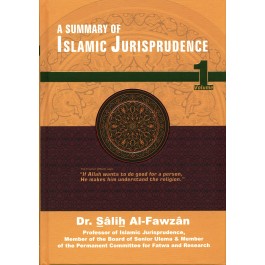
Al-Mulakhas al-Fiqhi (A Summary of Islamic Jurisprudence)

This topic is covered in Volume 2 of the above Book

This is the weekly Monday evening class on the book Al-Mulakhas al-Fiqhi by Shaykh Salih al-Fawzan. We begin with the Book of Trade Transactions, Chapter 6: Riba.

You may download a copy of the original Arabic text here: الملخص الفقهي

As with all of our classes at Masjid Tawheed in Stone Mountain, GA, we encourage you to join us.  If you are not able to attend in person, please feel free to listen in via our Spreaker channel or our telelink line at 712-432-2856.

Part 01 : Listen / Download Mp3 Here (Time 43:32)

Part 02 : Listen / Download Mp3 Here (Time 40:57)

Part 03 : Listen / Download Mp3 Here (Time 46:55)

Part 04 : Listen / Download Mp3 Here (Time 57:10)

Part 05 : Listen / Download Mp3 Here (Time 47:21)

Part 06 : Listen / Download Mp3 Here (Time 45:12)

Posted fromhttp://followthesalaf.com/home/?tag=Al-Mulakhas+Al-Fiqhi