Story of a Sufi Shaykh from Africa who Doesn’t Pray – Abu Muhammad al Maghribee [Audio Benefit|En]

Shaykh Muhammad Amaan Jaamee (rahimahullaah) narrated this to Imam  as-Sa’dee (rahimahullaah)

This story was conveyed by Falaah Isma’eel (hafidhahullaah).

Listen to this 5 min humorous & beneficial clip

Listen / Download Mp3 Here (Time 5:17)
[audio https://salafiaudio.files.wordpress.com/2015/06/story-of-a-sufi-shaykh-from-africa-who-dont-pray-abu-muhammad-al-maghribee.mp3]

This short clip has been extracted from the Class # 3 of the below lecture series

48 Questions and Answers on Fasting (سؤالاً في الصيام) by Shaykh al-Uthaymeen – Abu Muhammad al-Maghribee [Audio|En]

Related Link: http://salaf-us-saalih.com/category/islam/soofeeyah/

Global Sighting vs. Local Sighting of the Moon – Shaykh Uthaymeen – Abu Muhammad al Maghribee [Audio|En]

Today we talk about global sighting vs. local sighting of the moon and two other opinions.

Part 03 : Listen / Download Mp3 Here (Time 01:02:32)

Posted from: Book Of Fasting – Sharh al-Mumti alaa Zaad al-Mustaqni – Shaykh Uthaymeen – Abu Muhammad al Maghribee [Audio|En]

Sourcehttp://followthesalaf.com

48 Questions and Answers on Fasting (سؤالاً في الصيام) by Shaykh al-Uthaymeen – Abu Muhammad al-Maghribee [Audio|En]

Benefitting from the Blessed Month of Ramadhan

Readings from the treatise “48 Questions and Answers on Fasting” (سؤالاً في الصيام) by Shaykh Muhammad ibn Saalih al-Uthaymeen , rahimahullaah. Delivered by Abu Muhammad al-Maghribi at the Islamic Center of Palm Beach , FL USA

Download the arabic text of the book at :
http://www.ibnothaimeen.com/all/books/article_16898.shtml

Part 01 : Listen / Download Mp3 Here (Time 1:20:08)

Part 02 : Listen / Download Mp3 Here (Time 1:09:21)

Part 03 : Listen / Download Mp3 Here (Time 52:34)

Part 04 : Listen / Download Mp3 Here (Time 32:44)

Part 05 : Listen / Download Mp3 Here (Time 59:39)

Part 06 : Listen / Download Mp3 Here (Time 2:01:37)

Audio Courtesyhttp://followthesalaf.com/home/2015/6/10/islamic-center-palm-beach-seminar-june-2015

Choosing Friends Wisely – Shaykh Rabee | Abu Muhammad Al Maghribee [Audio|En]

This is a general lecture, taken from a talk by our noble Shaykh Rabee ibn Hadee al-Madkhalee hafidhahullah on the Effects of Taqwa, the characteristics of the Muttaqoon and the rewards prepared for them”

Listen / Download Mp3 Here (Time 57:33)

Posted from: http://followthesalaf.com/home/2015/6/4/choosing-friends-wisely

Related Posts:

Riba (Interest) – Al-Mulakhas al-Fiqhi | Shaykh Salih Fawzan – Abu Muhammad Al Maghribee [Audio|En]

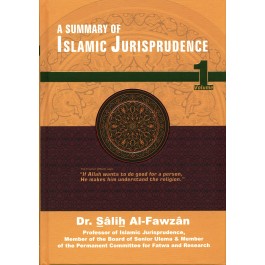
Al-Mulakhas al-Fiqhi (A Summary of Islamic Jurisprudence)

This topic is covered in Volume 2 of the above Book

This is the weekly Monday evening class on the book Al-Mulakhas al-Fiqhi by Shaykh Salih al-Fawzan. We begin with the Book of Trade Transactions, Chapter 6: Riba.

You may download a copy of the original Arabic text here: الملخص الفقهي

As with all of our classes at Masjid Tawheed in Stone Mountain, GA, we encourage you to join us.  If you are not able to attend in person, please feel free to listen in via our Spreaker channel or our telelink line at 712-432-2856.

Part 01 : Listen / Download Mp3 Here (Time 43:32)

Part 02 : Listen / Download Mp3 Here (Time 40:57)

Part 03 : Listen / Download Mp3 Here (Time 46:55)

Part 04 : Listen / Download Mp3 Here (Time 57:10)

Part 05 : Listen / Download Mp3 Here (Time 47:21)

Part 06 : Listen / Download Mp3 Here (Time 45:12)

Posted fromhttp://followthesalaf.com/home/?tag=Al-Mulakhas+Al-Fiqhi

Mistake Regarding Opening Supplication in Salah when the Person joins the Congregation late – Abdul-Qaadir al-Junayd – Abu Muhammad al Maghribee [Audio Benefit|En]

Listen / Download Mp3 Here (Time 4:59)
[audio https://salafiaudio.files.wordpress.com/2015/06/mistake-regarding-opening-supplication-in-salah-when-the-person-joins-the-congregation-late-abdul-qaadir-al-junayd-abu-muhammad-al-maghribee.mp3]

This Short clip is extracted from the Lecture
Telelink: Sheikh Abdul-Qaadir Al-Junayd – Common Mistakes In The Prayer Pt2
http://followthesalaf.com/home/2013/5/12/telelink-sheikh-abd

Further Reading:
Common Mistakes in Prayer – Shaykh Muhammad Bazmool [Free E-Book]

Not Looking at the place of Sujood (Prostration) in the Salah (Prayer) – Shaykh Abdul-Qaadir al-Junayd – Abu Muhammad al Maghribee [Audio Benefit|En]

Listen / Download Mp3 Here (Time 4:14)

This Short clip is extracted from the Lecture
Telelink: Sheikh Abdul-Qaadir Al-Junayd – Common Mistakes In The Prayer Pt2
http://followthesalaf.com/home/2013/5/12/telelink-sheikh-abd

Further Reading:
Common Mistakes in Prayer – Shaykh Muhammad Bazmool [Free E-Book]

Do not Race with Imam in your Salah (Prayer)- Abdul-Qaadir-al-Junayd – Abu Muhammad al Maghribee [Audio Benefit|En]

Listen / Download Mp3 Here (Time 4:05)
[audio https://salafiaudio.files.wordpress.com/2015/06/do-not-race-with-imam-in-your-salah-prayer-abdul-qaadir-al-junayd-abu-muhammad-al-maghribee.mp3]

The Imam is there to be followed
Listen / Download Mp3 Here (Time 5:10)
[audio https://salafiaudio.files.wordpress.com/2015/06/the-imam-is-there-to-be-followed-abdul-qaadir-al-junayd-abu-muhammad-al-maghribee.mp3]

These Short clips are extracted from the Lecture
Telelink: Sheikh Abdul-Qaadir Al-Junayd – Common Mistakes In The Prayer Pt2
http://followthesalaf.com/home/2013/5/12/telelink-sheikh-abd

The Messenger of Allah (sallallaahu ‘alaihi wasallam) said:

Move not before the imam does. When the imam says. Allahu akbar, you say, Allahu akbar. When he says, waladh-dhalleen’ you say, aameen. In another narration, he said: Surely the imam is there to be followed[Sahih Muslim]

He also said:

Does not the one who raises his head before the imam does fear that Allah would transform his head into a donkey’s head [Sahih Muslim]

Further Reading:
Common Mistakes in Prayer – Shaykh Muhammad Bazmool [Free E-Book]

Book Of Fasting – Sharh al-Mumti alaa Zaad al-Mustaqni – Shaykh Uthaymeen – Abu Muhammad al Maghribee [Audio|En]

Kitab as-Siyam from Volume 6 of Sharh al-Mumti alaa Zaad al-Mustaqni by our noble Shaykh Muhammad ibn Salih al-Uthaymeen rahimahullah.

You may download a copy of the original Arabic text here: الشرح الممتع على زاد المستقنع

As with all of our classes at Masjid Tawheed in Stone Mountain, GA, we encourage you to join us.  If you are not able to attend in person, please feel free to listen in via our Spreaker channel or our telelink line at 712-432-2856.

Part 01 : Listen / Download Mp3 Here (Time 01:00:56)

Part 02 :Today we talk about fasting on Yawm as-Shak (Day of Doubt).

 Listen / Download Mp3 Here (Time 57:30)

Part 03 : Today we talk about global sighting vs. local sighting of the moon and two other opinions.

Listen / Download Mp3 Here (Time 01:02:32)

Part 04 : we start with the conditions that make it obligatory for someone to fast.

Listen / Download Mp3 Here (Time 01:00:49)

Part 05 :  we continue with the conditions that make it obligatory for someone to fast. In particular we talk about the traveler and the sick person.

Listen / Download Mp3 Here (Time 59:59)

Part 06 : we talk about the issue of whether a traveling person or menstruating woman for example has to start fasting if he reaches his destination before Maghrib or she finishes her cycle before Maghrib.

Listen / Download Mp3 Here (Time 01:01:15)

Part 07 : Tonight, we continue talking about the sick person and when he should fast and when he shouldn’t.

 Listen / Download Mp3 Here (Time 44:27)

Part 08 : Tonight, we go into the details of fasting during traveling.

Listen / Download Mp3 Here (Time 54:44)

Part 09 : This is the final class on Kitab as-Siyam from Volume 6 of Sharh al-Mumti alaa Zaad al-Mustaqni by our noble Shaykh Muhammad ibn Salih al-Uthaymeen rahimahullah.

Tonight, we talk about issues related to the pregnant and nursing women.

Listen / Download Mp3 Here (Time 58:58)

Posted fromhttp://followthesalaf.com/?tag=Sharh+al-Mumti

Impermissible for a Muslim to indulge in Trade after the 2nd Adhan of Jumu’ah – Shaykh Fawzan – Abu Muhammd al-Maghribee [Audio|En]

Listen / Download Mp3 Here (Time 11:21)
[audio https://salafiaudio.files.wordpress.com/2015/06/impermissible-for-a-muslim-to-indulge-in-trade-after-the-2nd-adhan-of-jumuah-shaykh-fawzan-abu-muhammd-al-maghribee.mp3]

This short benefit is extracted from the below lecture:

Prohibited Trade Transactions – Al-Mulakhas al-Fiqhi | Shaykh Fawzaan – Abu Muhammad al-Maghribee [Audio|En]

Allaah (The Most High) said:

يَا أَيُّهَا الَّذِينَ آمَنُوا إِذَا نُودِيَ لِلصَّلَاةِ مِنْ يَوْمِ الْجُمُعَةِ فَاسْعَوْا إِلَىٰ ذِكْرِ اللَّهِ وَذَرُوا الْبَيْعَ ۚ ذَٰلِكُمْ خَيْرٌ لَكُمْ إِنْ كُنْتُمْ تَعْلَمُونَ

فَإِذَا قُضِيَتِ الصَّلَاةُ فَانْتَشِرُوا فِي الْأَرْضِ وَابْتَغُوا مِنْ فَضْلِ اللَّهِ وَاذْكُرُوا اللَّهَ كَثِيرًا لَعَلَّكُمْ تُفْلِحُونَ

”O you who believe (Muslims)! When the call is proclaimed for the Salat (prayer) on the day of Friday (Jumu’ah prayer), come to the remembrance of Allah [Jumu’ah religious talk (Khutbah) and Salat (prayer)] and leave off business (and every other thing), that is better for you if you did but know! Then when the (Jumu’ah) Salat (prayer) is finished, you may disperse through the land, and seek the Bounty of Allah (by working, etc.), and remember Allah much, that you may be successful.” [Soorah Al-Jum’ah. Aayaat 9-10]

Prohibited Trade Transactions – Al-Mulakhas al-Fiqhi | Shaykh Fawzaan – Abu Muhammad al-Maghribee [Audio|En]

Al-Mulakhas al-Fiqhi (A Summary of Islamic Jurisprudence)

This is the weekly Monday evening class on the book Al-Mulakhas al-Fiqhi (A Summary of Islamic Jurisprudence) by Shaykh Salih al-Fawzan.

We continue with the Book of Trade Transactions, Chapter 2: Prohibited Trade Transactions

You may download a copy of the original Arabic text here: الملخص الفقهي

Part 01: Listen / Download Mp3 Here (Time 49:09)

Part 02: Listen / Download Mp3 Here (Time 52:28)

As with all of our classes at Masjid Tawheed in Stone Mountain, GA, we encourage you to join us.  If you are not able to attend in person, please feel free to listen in via our Spreaker channel or our telelink line at 712-432-2856.

Posted fromhttp://followthesalaf.com/?tag=Al-Mulakhas+Al-Fiqhi

Read the below excellent e-Book
Forbidden Business Transactions : Shaikh Saalih Al-Fawzaan

Hijrah is an Obligation Upon this Nation and it Continues Until The Hour is Established – Shaykh Fawzan | Dawud Burbank [Audio|En]

Bismillaah

Sharh-ul-Usool ath-Thalaathah : Lesson 43 (Part B) & Lesson 44 (Part A)
Shaykh Saalih al-Fawzan | Dawud Burbank [Audio|English]

[Souncloud Audio Link


Imaam Muhammad ibn ‘Abdul-Wahhaab (rahimahullaah) said:

والهجرة فريضة على هذه الأمة من بلد الشرك إلى بلد الإسلام ، وهي باقية إلى أن تقوم الساعة

Hijrah, from the land of shirk to the land of Islaam, is an obligation upon this nation and it continues until the Hour is established.[64]


[64] Shaykh Saalih al-Fawzan’s Explanation :

Hijrah is joined along with jihaad in Allaah’s cause and it is an obligation which remains, it is not being abrogated. It is obligatory upon every Muslim who needs to perform Hijrah that he should perform Hijrah. And it is not permissible for the Muslim to remain in the lands of kufr when he is not able to make his religion apparent; so then it is obligatory upon him to migrate to the lands of the Muslims. So it is an obligation which remains, because of his sallallaahu`alaihi wa sallam saying:

لا تنقطع الهجرة حتى تنقطع التوبة ، ولا تنقطع التوبة حتى تخرج الشمس من مغرﺑﻬا

Hijrah will not be cut off until repentance is cut off and repentance will not be cut off until the sun rises from its place of setting[1]


Imaam Muhammad ibn ‘Abdul-Wahhaab (rahimahullaah) said:

The proof is His Saying, the Most High:

إِنَّ الَّذِينَ تَوَفَّاهُمُ الْمَلَائِكَةُ ظَالِمِي أَنفُسِهِمْ قَالُوا فِيمَ كُنتُمْ ۖ قَالُوا كُنَّا مُسْتَضْعَفِينَ فِي الْأَرْضِ ۚ قَالُوا أَلَمْ تَكُنْ أَرْضُ اللَّهِ وَاسِعَةً فَتُهَاجِرُوا فِيهَا ۚ فَأُولَٰئِكَ مَأْوَاهُمْ جَهَنَّمُ ۖ وَسَاءَتْ مَصِيرًا

إِلَّا الْمُسْتَضْعَفِينَ مِنَ الرِّجَالِ وَالنِّسَاءِ وَالْوِلْدَانِ لَا يَسْتَطِيعُونَ حِيلَةً وَلَا يَهْتَدُونَ سَبِيلًا

فَأُولَٰئِكَ عَسَى اللَّهُ أَن يَعْفُوَ عَنْهُمْ ۚ وَكَانَ اللَّهُ عَفُوًّا غَفُورًا

«As for those whose souls the angels take in a state of having earned Allaah’s anger, the angels will say to them:  ‘In what condition were you?’ They will say: We were weakened (by the great numbers and strength of the people of shirk) in our land.’ They will reply: ‘Was not Allaah’s earth spacious so that you could make hijrah therein? These people will find their abode in Hell and what an evil destination that is. 

Except for those who were rendered weak from the men, women and children who were unable to migrate or find a way to do so. 

As for such people, Allaah will certainly pardon them and Allaah is ever One who pardons and forgives the sins of His servants.» [4:97-99] [65]


Shaykh Fawzan quoted the 100th ayah as well :

وَمَن يُهَاجِرْ فِي سَبِيلِ اللَّهِ يَجِدْ فِي الْأَرْضِ مُرَاغَمًا كَثِيرًا وَسَعَةً ۚ وَمَن يَخْرُجْ مِن بَيْتِهِ مُهَاجِرًا إِلَى اللَّهِ وَرَسُولِهِ ثُمَّ يُدْرِكْهُ الْمَوْتُ فَقَدْ وَقَعَ أَجْرُهُ عَلَى اللَّهِ ۗ وَكَانَ اللَّهُ غَفُورًا رَّحِيمًا

He who emigrates (from his home) in the Cause of Allah, will find on earth many dwelling places and plenty to live by. And whosoever leaves his home as an emigrant unto Allah and His Messenger, and death overtakes him, his reward is then surely incumbent upon Allah. And Allah is Ever Oft-Forgiving, Most Merciful. [4:100]


[65] Shaykh Saalih al-Fawzan’s Explanation :

These two aayaat contain a threat against abandoning performing the hijrah when the person is able to perform it – and that his abode will be the Hellfire – what an evil destination. Even though he does not exit from Islaam – this is from the nusoos al-wa`eed (the texts which contain a threat). So, if he abandons the hijrah, then he has abandoned something obligatory and he will be sinful. However, he does not exit from Islaam through abandonment of the hijrah, but there is a severe threat upon him.

Then, Allaah explains in the aayah after it, the excuse by which the obligation of the hijrah falls away. He, the Most High, said:

إِلَّا الْمُسْتَضْعَفِينَ مِنَ الرِّجَالِ وَالنِّسَاءِ وَالْوِلْدَانِ

«Except for those who were rendered weak from the men, the women and wildaan (children).» [4:98]

wildaan Meaning: the children.

لَا يَسْتَطِيعُونَ حِيلَةً

«Who were unable to migrate» [4:98]

They do not possess the ability.

وَلَا يَهْتَدُونَ سَبِيلًا

«Or find a way to do so» [4:98]

Meaning: they do not know the way to the land – the city – because hijrah requires (a person) to make a journey, otherwise (it may be the case) that a person dies during the journey if he does not know the way.

So therefore their excuse is in two matters:

  • Firstly: Those who were not able to carry it out.
  • Secondly: Those who do not know the way.

So even if they have the financial capability, but do not have awareness of the way that they could follow, someone to guide them upon the way – this is the correct excuse. As for the person who has the capability and knows the way, then there is no excuse for him.


Imaam Muhammad ibn ‘Abdul-Wahhaab (rahimahullaah) said:

And His saying, He the Most High:

يَا عِبَادِيَ الَّذِينَ آمَنُوا إِنَّ أَرْضِي وَاسِعَةٌ فَإِيَّايَ فَاعْبُدُونِ

«O My servants who believe! Indeed My earth is spacious, so worship Me alone.» [29:56]

قال البغوي رحمه الله : سبب نزول هذه الآية في المسلمين الذين بمكة ولم يهاجروا ، ناداهم الله باسم الإيمان

al-Baghawee (rahimahullaah) said: The reason for the sending down of this aayah concerns the Muslims who were in Makkah and did not migrate; Allaah addressed them with the title of eemaan.”

: والدليل على الهجرة من السنة قوله صلى الله عليه وسلم

» لا تنقطع الهجرة حتى تنقطع  التوبة ، ولا تنقطع التوبة حتى تطلع الشمس من مغرﺑﻬا «

The proof for the hijrah found in the Sunnah is his sallallaahu`alaihi wa sallam saying:

«Hijrah will not be discontinued until repentance is discontinued, and repentance will not be discontinued until the sun rises from its place of setting.»[66]


[66] Shaykh Saalih al-Fawzan’s Explanation :

This aayah is from Soorah al-`Ankaboot. It contains a command to migrate and that the earth of Allaah is spacious. So, if you are in a land where you are not able to make your religion apparent, in that case Allaah’s earth is spacious, so move away from it. Do not remain in the bad part; rather leave it and go somewhere in Allaah’s spacious earth. Allaah, the Perfect and Most High, has made the earth spacious. The proof for the hijrah found in the Sunnah is his sallallaahu`alaihi wa sallam saying:

»لا تنقطع الهجرة حتى تنقطع  التوبة ، ولا تنقطع التوبة حتى تطلع الشمس من مغرﺑﻬ ا «

«Hijrah will not be discontinued until repentance is discontinued, and repentance will not be discontinued until the sun rises from its place of setting[2]

As for his sallallaahu`alaihi wa sallam‘s saying:

» لا هجرة بعد الفتح «

«There is no migrating after the conquest (of Makkah).»[3]

What is apparent from the hadeeth is that the migrating came to an end after the conquest of Makkah. Some people think that there is a contradiction between the hadeeth and between his sallallaahu`alaihi wa sallam saying:

»لا تنقطع الهجرة حتى تنقطع  التوبة ، ولا تنقطع التوبة حتى تطلع الشمس من مغرﺑﻬا«

«Hijrah will not be discontinued until repentance is discontinued, and repentance will not be discontinued until the sun rises from its place of setting[4]

However, the people of knowledge respond to his hadeeth (by saying) that what is meant by «there is no migrating after the conquest» is (no migrating) from Makkah, since through the conquest, it became an abode of Islaam. The people thought that migrating remained from Makkah after the conquest so they wished to attain the reward of migrating. As for migrating from the land of disbelief, then it remains until the Hour is established. The proof is the previous aayaat and the previous prophetic hadeeth. This is the response to this difficulty.

 Footnotes:

[1] Reported by Aboo Daawood no. 2479 and Ahmad from a hadeeth of Mu`aawiyyah ibn Abee Sufyaan, radiyallaahu `anhumaa.

[2] Reported by Aboo Daawood no. 2479 and Ahmad from a hadeeth of Mu`aawiyyah ibn Sufyaan, radiyallaahu `anhumaa. [It was declared saheeh by al-Albaanee].

[3] Reported by al-Bukhaaree no. 2783 and Muslim no. 1353 from a hadeeth of ibn `Abbaas, radiyallaahu `anhumaa, and reported by Muslim no. 1864 from a hadeeth of `Aa.ishah, radiyallaahu `anhaa.

[4] Reported by Aboo Daawood no. 2479 and Ahmad from a hadeeth of Mu`aawiyyah ibn Sufyaan, radiyallaahu `anhumaa. [It was declared saheeh by al-Albaanee].

Sharh-ul-Usool-ith-Thalaathah. Explanation of the Three Fundamental Principles of Imaam Muhammad ibn ‘Abdil-Wahhaab by Shaykh Saalih ibn Fowzaan al-Fowzaan hafizahullaah. Translated by  Daawood  Burbank, rahimahullaah

Posted with kind permission from Dawud Burbank rahimahullaah

Listen to the Full Audio Series:
Sharh Usool-ith-Thalaathah – Shaykh Fawzan | Dawud Burbank

Book Study Resources – Three Fundamental Principles

Related Links:

https://abdurrahman.org/hijrah

10 Points Of Benefit Concerning The Creed Of Al-Allaamah Abdul Muhsin Al-Badr – Abu Muhammad al-Maghribee [Audio|En]

Part 01: Listen / Download Mp3 Here (Time 58:00)

Part 02: Listen / Download Mp3 Here (Time 51:39)

Part 03: Listen / Download Mp3 Here (Time 01:01:46)

Part 04: Listen / Download Mp3 Here (Time 50:52)

Part 05: Listen / Download Mp3 Here (Time 46:26)

Part 06: Listen / Download Mp3 Here (Time 45:30)

Part 07: Listen / Download Mp3 Here (Time 42:44)

Part 08: Listen / Download Mp3 Here (Time 39:38)

Part 09: Listen / Download Mp3 Here (Time 40:39)

Part 10: Listen / Download Mp3 Here (Time 50:21)

Posted fromhttp://followthesalaf.com/home/?tag=10+Points+on+Creed

A Talk to the Visitors on ‘Umrah – Abu Ishaaq Nadeem Ahsan-Shah [Audio|En]

Listen / Download Mp3 Here (Time 55:32)

On  07-08-1436 (26th May 2015) Abu Ishaaq Nadeem Ahsan-Shah delivered a class at the Anjum Hotel in Makkah, next to al-Masjid al-Haram.

Audio Courtesy: KSA_Dawah – Apply for group membership

Ten Means That Protect From Magic & Evil Eye – Shaykh Abdur Razzaq | Abu Muhammad al Maghribee [Audio|En]

This is the weekly Saturday evening class on the book Asharatu asbaab lil wiqaayah min as-sihr wal ayn by Shaykh Abdur Razzaq al-Badr. The sheikh’s book is based on the book of Ibn al Qayyim rahimahullaah

As with all of our classes at Masjid Tawheed in Stone Mountain, GA, we encourage you to join us.  If you are not able to attend in person, please feel free to listen in via our Spreaker channel or our telelink line at 712-432-2856.

Classes Completed on this book.

Ten Means That Protect From Magic & Evil Eye – 2014-12-06  (Time 52:51)
[audio https://salafiaudio.files.wordpress.com/2015/05/ten-means-that-protect-from-magic-evil-eye-141206-sh-abdur-razzaq-abu-muhammad-al-maghribee.mp3]

Ten Means That Protect From Magic & Evil Eye – 2014-12-13  (Time 47:37)
[audio https://salafiaudio.files.wordpress.com/2015/05/ten-means-that-protect-from-magic-evil-eye-141213-sh-abdur-razzaq-abu-muhammad-al-maghribee.mp3]

Ten Means That Protect From Magic & Evil Eye – 2014-12-20  (Time 48:59)
[audio https://salafiaudio.files.wordpress.com/2015/05/ten-means-that-protect-from-magic-evil-eye-141220-sh-abdur-razzaq-abu-muhammad-al-maghribee.mp3]

Ten Means That Protect From Magic & Evil Eye – 2015-01-03  (Time 53:52)
[audio https://salafiaudio.files.wordpress.com/2015/05/ten-means-that-protect-from-magic-evil-eye-150103-sh-abdur-razzaq-abu-muhammad-al-maghribee.mp3]

Ten Means That Protect From Magic & Evil Eye – 2015-01-10  (Time 45:57)
[audio https://salafiaudio.files.wordpress.com/2015/05/ten-means-that-protect-from-magic-evil-eye-150110-sh-abdur-razzaq-abu-muhammad-al-maghribee.mp3]

Ten Means That Protect From Magic & Evil Eye – 2015-01-17  (Time 53:36)
[audio https://salafiaudio.files.wordpress.com/2015/05/ten-means-that-protect-from-magic-evil-eye-150117-sh-abdur-razzaq-abu-muhammad-al-maghribee.mp3]

Ten Means That Protect From Magic & Evil Eye – 2015-01-31  (Time 45:06)
[audio https://salafiaudio.files.wordpress.com/2015/05/ten-means-that-protect-from-magic-evil-eye-150131-sh-abdur-razzaq-abu-muhammad-al-maghribee.mp3]

Posted fromhttp://followthesalaf.com/blog/?tag=Magic+and+Evil+Eye

Aqeedah (Creed and Belief) is the Foundation of the Religion – Shaykh Saalih al-Fawzaan | Dawud Burbank

[Alternative Download Link]

This short clip was extracted by AbdurRahman.Org from # 01 of the Audio Series: Explanation of Aqeedah at-Tahaawiyyah – Dawud Burbank [Audio|En]

Transcription of the above audio clip:

Aqeedah (creed and belief) is the foundation of the religion and it (‘aqeedah) is what is contained in the testification (shahaadah) that none has the right to be worshipped except Allaah and that Muhammad is the Messenger of Allaah. And it is the first pillar from the pillars of Islaam.[2]

So therefore, it is an obligation to give importance to it (`aqeedah) and to give care and attention to it and to acquire knowledge of it and knowledge of whatever will damage it so that the person can be upon clear insight and can be upon a correct creed and belief.

Since if the person’s religion is established upon a sound, correct foundation then it will be a straight and true religion that he is upon – one that is acceptable to Allaah and if it (his religion) is based upon a shaky or disturbed `aqeedah (creed) or if his religion is based upon an ‘aqeedah (creed) which is corrupt then his religion will not be correct and it will be without a foundation.

So, this is why the scholars rahimahumullaah used to give importance to the affair of ‘aqeedah and they were not laxed about explaining it in their lessons and whenever they had an opportunity. The later person used to transmit it from the one who came before him.

And the Companions radiyAllaahu `anhum did not have any doubts about what came in the Qur’aan and what came in the Sunnah of Allaah’s Messenger sallAllaahu`alayhi wa sallam. So their `aqeedah (creed and belief) was based upon the Book of Allaah and the Sunnah of Allaah’s Messenger sallAllaahu`alayhi wa sallam and they were not afflicted by any doubt in that regard nor any hesitation. So, whatever Allaah said and whatever His Messenger sallAllaahu`alayhi wa sallam said, they took it as their creed and belief and they took it as their religion. And they did not need any further book to be written for them after that since this was something fully accepted by them and something that was certain with them; their creed (‘aqeedah) was the Book and the Sunnah. And then their students proceeded upon that from the Taabi`een (the next generation after the Companions) – those who took from them. So, there was no disputing in `aqeedah (creed and belief); it was an affair which was fully accepted (undisputed); and their source was the Book and the Sunnah.

But when the sects and the differences arose and appeared, and when people entered into the religion who were such that the creed and `aqeedah was not firmly grounded in his heart or those who entered into Islaam whilst still carrying some deviated ideas with them, and when there arose in Islaam people who did not refer back to the Book nor to the Sunnah in `aqeedah, rather, they referred back to principles and methodologies which had been established by people of misguidance by themselves. When all of this happened then the a’immah (the imaams) of Islaam at this time needed to clarify (make explanation and clarification of) the correct `aqeedah (belief and creed) and they needed to carefully record it and write it down and narrate it from the scholars of the Ummah. So therefore, they wrote down the books of creed and belief and they gave attention to that; and this became a reference for those who came after them from the Ummah and it will be so until the establishment of the last Hour.

And this is an example of the Protection of Allaah, the Most High for this religion and Allaah’s taking care of this religion – that He provided for it trustworthy carriers to convey it just as it came from Allaah and His Messenger and to repel the false interpretations of the negators and the false declarations of the Creator’s being like the creation. So these scholars came and passed on as inheritance this creed (`aqeedah), the later ones taking it from the earlier ones.

And from as-Salaf as-Saalih (the pious predecessors) who used to be upon the sound and firm belief and creed (i`tiqaad) taken from Allaah’s Messenger sallAllaahu`alayhi wa sallam and from his Companions and from the Taabi`een were the four imaams: Imaam Aboo Haneefah, Imaam Maalik, Imaam ash-Shaafi`ee and Imaam Ahmad and others from the imaams, those who stood and defended the correct `aqeedah (belief and creed) and who confirmed it, explained it and taught it to the students.

And the followers of the four imaams (their students who came after them) used to give attention to this creed and belief; they used to study it and caused their students to learn it. And many books were written about it upon the methodology of the Book and the Sunnah and upon what the chosen Messenger, al-Mustafaa sallAllaahu`alayhi wa sallam was upon and his companions radiyAllaahu `anhum and the Taabi`een. So, they refuted the false beliefs and the deviated beliefs, and they clearly explained how they were counterfeit and baseless. And the same was done by the imaams of hadeeth such as: Ishaaq ibn Raahawayh and al-Bukhaaree and Muslim and Imaam Ibn Khuzaymah and Imaam Ibn Qutaybah; and from the imaams of tafseer (explanation) of the Qur’aan such as Imaam at-Tabaree and Imaam Ibn Katheer and Imaam al-Baghwee and others from the imaams of tafseer.

They (all) wrote works in this regard (explaining the correct belief) and they called them Kutub As-Sunnah – books of the Sunnah; for example, Kitaab as-Sunnah of Ibn Abee `Aasim and the book as- Sunnah of `Abdullaah ibn Ahmad ibn Hanbal and the book as-Sunnah of Al-Khallaal and the book ash-Sharee`ah of Al-Aajurree and other than that.

Footnotes:

[2] As is shown by the hadeeth of Ibn `Umar radiyAllaahu anhumaa who said, “Allaah’s Messenger sallAllaahu`alayhi wa sallam said, ‘Islaam is built upon five: the shahaadah (testification) that none had the right to be worshipped except Allaah and that Muhammad is the Messenger of Allaah, and correct establishment of the prayer, and giving the zakaat, and the hajj, and fasting in Ramadaan’.” The hadeeth is reported by Bukhaaree as no.8 and reported by Muslim.

Visit the below Link to read more about Aqeedah
https://abdurrahman.org/belief/aqeedah

Prophet Muhammad ﷺ : The Night Journey and the Ascent through the Heavens – Shaykh Fawzan | Dawud Burbank [Audio|En]

Bismillaah

Sharh-ul-Usool ath-Thalaathah : Lesson 42 (Part B)
Shaykh Saalih al-Fawzan | Dawud Burbank [Audio|English]

[Souncloud Audio Link


The Night Journey and the Ascent through the Heavens

Imaam Muhammad ibn ‘Abdul-Wahhaab (rahimahullaah) said:

وبعد العشر عرج به إلى السماء ، وفرضت عليه الصلوات الخمس ، وصلى في مكة ثلاث سنين

After the ten years, he was taken up through the heavens and the five daily prayers were made obligatory upon him and he prayed in Makkah for three years. [61]


[61] : Shaykh Saalih al-Fawzan’s Explanation :

His saying «After the ten years, he was taken up through the heavens» He sallallaahu`alaihiwasallam remained for ten years upon this – forbidding shirk and calling to tawheed, laying down this foundation. Then, in the eleventh year, he was taken by night from Masjid al-Haraam (the Sacred Mosque) to Masjid al-Aqsaa (the farthest mosque, i.e. the mosque in Jerusalem).

He, the Most High, said:

سُبْحَانَ الَّذِي أَسْرَىٰ بِعَبْدِهِ لَيْلًا مِّنَ الْمَسْجِدِ الْحَرَامِ إِلَى الْمَسْجِدِ الْأَقْصَى

«Perfect and Exalted is He who took His slave on a journey by night from the Sacred Mosque to the farthest mosque.» [17:1]

Whilst he sallallaahu`alaihi wa sallam was sleeping in the house of Umm Haani, Jibreel `alaihissalaatu wassalaam came to him and had with him an animal called al-Buraaq, which was smaller than a mule and larger than a donkey. Its steps were as far apart as the distance which it could see. So, he `alaihissalaatu wassalaam was caused to ride upon it and he was taken to Jerusalem at night.

(أسرى) is from (السرى) which means: ‘to travel by night.’ This was something special to him sallallaahu`alaihi wa sallam and from the miracles given to him `alaihissalaatu wassalaam. So there, he met the prophets in Jerusalem, then he sallallaahu`alaihi wa sallam was taken up through the Heavens. Meaning: he was raised up from Jerusalem to the heavens in the company of Jibreel – and the meaning of (العروج) is ‘to ascend.’

So, he was taken on a night journey from Makkah to Jerusalem and he was taken up from Jerusalem to the heavens – meaning: Jibreel `alaihissalaam took him up and he passed by the inhabitants of the heavens. At each level, Jibreel requested that it should be opened for him until he came to the seventh heaven.

Then, he ascended over the heavens to the farthest lote tree and there Allaah spoke to him with whatever He wished from His revelation and He made obligatory upon him the five daily prayers. So, He obligated for each day and night fifty prayers. However, Moosaa `alaihissalaam advised our Prophet Muhammad sallallaahu`alaihi wa sallam to ask his Lord for a reduction, for his nation would not be able to bear fifty prayers in each day and night. So, Allaah’s Messenger sallallaahu`alaihi wa sallam kept going back to his Lord asking for a reduction until they came to be five.

Then, Allaah, the Mighty and Majestic, said, as occurs in the hadeeth of the Israa. and the Mi`raaj:

»أمضيت فريضتي ، وخففت عن عبادي ، وأجزي الحسنة عشرا«

«I have established My obligatory duty and I have made it easy upon My servants, and I will reward a good deed ten times over[1]

In the narration of Anas from Aboo Dharr, He said:

»هي خمس وهي خمسون«

«They are five and they are fifty[2]

Meaning: They are five with regards to the action and fifty in the balance (of good deeds).

Five prayers in each day and night are equal to fifty prayers upon the balance, because a good deed is rewarded with ten times its like. So a single prayer takes the place of ten prayers.

The Night Journey is mentioned at the beginning of Soorah Subhaan (the 17th soorah) [also known as] Soorah Banee Israa.eel; and the Mi`raaj is mentioned at the beginning of Sooratu-Najm:

وَلَقَدْ رَآهُ نَزْلَةً أُخْرَىٰ – عِندَ سِدْرَةِ الْمُنتَهَىٰ – عِندَهَا جَنَّةُ الْمَأْوَىٰ – إِذْ يَغْشَى السِّدْرَةَ مَا يَغْشَىٰ – مَا زَاغَ الْبَصَرُ وَمَا طَغَىٰ – لَقَدْ رَأَىٰ مِنْ آيَاتِ رَبِّهِ الْكُبْرَىٰ

«And he saw Jibreel on another occasion. By the farthest lote tree. Near it is the Garden of Refuge. When the lote tree was covered by that which covered it! His (sallallaahu`alaihiwasallam) sight did not deviate to the right or left nor did it go beyond that with which he was commanded. He certainly saw tremendous signs of his Lord.» [53:13-18]

This was with regard to the Mi`raaj.

He descended from the heaven to Jerusalem, then he returned to Makkah in the same night. So, in the morning he informed the people about that. The believers increased in eemaan, but as for the disbelievers, then their evil increased and they became happy at this and went about broadcasting it: “How can your companion claim that he went to Jerusalem and came back in a single night when we have to exert ourselves upon camels to reach it, taking a whole month to go there and a month to come back?!”

So, they made analogy between the ability of the Creator and the ability of the creation, for the Israa. and the Mi`raaj were a test from Allaah, the Mighty and Majestic, for the people. The people of shirk increased in mockery and their evil and their belittlement of the Messenger sallallaahu`alaihi wa sallam whereas the believers increased in eemaan.

Therefore when the people of shirk said to Aboo Bakr asSiddeeq radiyallaahu`anhu: “Look at your companion – what he is saying!” He said: “What is he saying?” They said: “He is claiming that he went to Jerusalem (and that he was taken up through the heavens) and that he came back in a single night!” Aboo Bakr asSiddeeq said: “If he said it, then it is just as he said. He has spoken the truth.” They said: “How can that be?” He said: “I attest to the truth of what he says with regard to something greater than that. I attest to the truth with regard to the news coming down from the heavens upon him. So, how should I not attest to the truth of what he says with regard to his being taken at night to Jerusalem?”[3]

This [night journey and ascension] came about through the ability of Allaah, the Mighty and Majestic, not through the ability of the Messenger sallallaahu`alaihi wa sallam. It was only through the ability of Allaah, the Mighty and Majestic. This was one of the miracles given to the Messenger sallallaahu`alaihi wa sallam and is a case of Allaah showing his honorable status with his Lord, the Mighty and Majestic.

It must be held as a person’s creed and belief that he sallallaahu`alaihi wa sallam was taken on the Night Journey and taken up through the Heavens with his soul and his body together whilst awake and not as a dream;, because some people say: “He was taken on the Night Journey with his soul, and as for his body, then it did not go outside Makkah. And he was only taken on the Night Journey and taken up through the heavens with his soul.” This is false and futile speech. Rather he was taken on the Night Journey with his soul and his body `alaihissalaatu wassalaam and he was carried upon al-Buraaq. And this was in a state of being awake, not asleep, since if it had happened with his soul only or if it had been a dream, then what would have been the difference between it and (other) dreams?.

Whereas Allaah, the Majestic and Most High, says:

سُبْحَانَ الَّذِي أَسْرَىٰ بِعَبْدِهِ

«Perfect and Exalted is He who took His `abd on a journey by night.» [17:1]

The `abd is used to apply to the soul and the body together. It is not used for just the soul alone that it be described as `abd, nor is it applied to the body alone that is an `abd. It is not used except to apply to the soul and the body combined, for He did not say: “Perfect and Exalted is He who took the soul of His `abd.” Rather He said: «…took His `abd on a journey by night.» The `abd is the combination of the soul and the body. And Allaah, the Majestic and Most High, is not rendered incapable by anything and He is the One who has full power over everything.

He (rahimahullaah) said: «And the five daily prayers were made obligatory upon him and he prayed in Makkah for three years» He used to pray them as two rak`ahs. When the Prophet sallallaahu`alaihiwasallam migrated, the four rak`ah prayers were completed and became four rak`ahs – except for Fajr prayer, for in that he lengthened the recitation so it remained as two rak`ahs just as it was, and except for the maghrib prayer, for indeed it is three from the first period when it was made obligatory, because it is the witr (prayer with the odd number of rak`ahs) of the daytime. As for the Dhuhr, `Asr and the `Ishaa prayers, then in Makkah they were two rak`ahs each but when the Prophet sallallaahu`alaihiwasallam made Hijrah, they were made complete as four rak`ahs.

As occurs in the hadeeth:

»أول ما فرضت الصلاة ركعتين فلما هاجر النبي صلى الله عليه وسلم   أتمت صلاة الحضر وبقيت صلاة السفر«

«The prayer was first made obligatory as two rak`ahs, then when the Prophet sallallaahu`alaihi wa sallam made Hijrah, the prayer for the resident was completed and the prayer of the traveler remained as it was[4]

This is by consensus of the people of knowledge, that the prayer was obligatory in Makkah and that the Prophet sallallaahu`alaihi wa sallam prayed it in Makkah. However, they differ about whether it was made obligatory three years before the Hijrah.

This is what is more correct, just as the Shaykh mentioned here. Or it is otherwise said that it was made obligatory five years before the Hijrah, or it is said one year before the Hijrah, or it is said a year and a half. However the most correct saying is what the Shaykh mentioned is that it was three years before the Hijrah.

And was anything else from the pillars of Islaam made obligatory along with the prayer? This is an area of disagreement amongst the scholars; some of them held that the Zakaat was also made obligatory in Makkah, and that only its applicable limits, its amounts and those eligible to receive it were made clear in al-Madeenah. But as for the origin of its being made obligatory, then that was in Makkah.

And the proof is His saying, He the Most High:

وَآتُوا حَقَّهُ يَوْمَ حَصَادِهِ

«And give the right due from the crops on the day when it is harvested.» [6:141]

The meaning of the «due» here is the Zakaat. And the whole soorah came down in Makkah.

And likewise in His statement:

وَالَّذِينَ فِي أَمْوَالِهِمْ حَقٌّ مَّعْلُومٌ – لِّلسَّائِلِ وَالْمَحْرُومِ

«And those whose wealth has a known portion for the beggar who asks and for the deprived.» [70:24-25]

This soorah also came down in Makkah. And what is meant by the «known portion» is the Zakaat. So, it was in origin made obligatory in Makkah, however, its details were made clear in al-Madeenah. This is one saying.

The second saying: what is apparent from the speech of the Shaykh here, is that the Zakaat was only made obligatory in al-Madeenah and nothing was made obligatory in Makkah, except for the first pillar which is tawheed and the second pillar which is the prayer. This is what is apparent from the speech of the Shaykh.

Footnotes:

[1] Reported by al-Bukhaaree no. 3208 and no. 3887 as a hadeeth of Maalik ibn Sa`sa`ah and it is a long hadeeth containing the story of the Mi`raaj (the Ascent through the Heavens).

[2] Reported by al-Bukhaaree no. 349 as a hadeeth of Anas from Aboo Dharr, radiyallaahu `anhumaa.

[3] [Reported by al-Haakim in al-Mustadrak 3/65 no. 4407 as a hadeeth of `Aa.ishah radiyallaahu`anhaa. [Declared saheeh by Shaykh al-Albaanee in asSaheehah no. 306].

[4] Reported by al-Bukhaaree no. 350 and Muslim no. 685 as a hadeeth of `Aa.ishah radiyallaahu `anhaa.

Sharh-ul-Usool-ith-Thalaathah. Explanation of the Three Fundamental Principles of Imaam Muhammad ibn ‘Abdil-Wahhaab by Shaykh Saalih ibn Fowzaan al-Fowzaan hafizahullaah. Translated by  Daawood  Burbank, rahimahullaah

Posted with kind permission from Dawud Burbank rahimahullaah

Listen to the Full Audio Series:
Sharh Usool-ith-Thalaathah – Shaykh Fawzan | Dawud Burbank

Book Study Resources – Three Fundamental Principles

Related Links:

https://abdurrahman.org/muhammad

https://abdurrahman.org/category/islam/israa-wa-miraaj

Al-Mujaahadah (Striving in the Way of Allah) – Riyadh ul Saaliheen – Ibn Uthaymeen | Abu Muhammad al Maghribee [Audio|En]

Explanation of Selected Ahaadeeth from Riyaadus-Saaliheen
by Sheikh Muhammad ibn al-Uthaymeen
Chapter 11: Al-Mujaahadah (Striving in the Way of Allah)

Visit the link below to read the ahadeeth
[Riyad-us-Saliheen] The Struggle (in the Cause of Allah)

Allah, the Exalted, says:

“As for those who strive hard in Us (Our Cause), We will surely, guide them to Our paths (i.e., Allah’s religion – Islamic Monotheism). And verily, Allah is with the Muhsinun (gooddoers)”. (29:69)

“And worship your Rubb until there comes unto you the certainty (i.e., death)”. (15:99)

“And remember the Name of your Rubb and devote yourself to Him with a complete devotion.” (73:8)

“So whosoever does good equal to the weight of an atom (or a small ant), shall see it”. (99:7)

“And whatever good you send before you for yourselves (i.e., Nawafil – non-obligatory acts of worship: prayers, charity, fasting, Hajj and Umrah, etc.), you will certainly find it with Allah, better and greater in reward.” (73:20)

“And whatever you spend in good, surely, Allah knows it well.” (2:273)

Part 01: Listen / Download Mp3 Here (Time 31:30)

Part 02: Listen / Download Mp3 Here (Time 31:31)

Part 03: Listen / Download Mp3 Here (Time 32:38)

Part 04: Listen / Download Mp3 Here (Time 28:17)

Part 05: Listen / Download Mp3 Here (Time 44:18)

Part 06: Listen / Download Mp3 Here (Time 35:08)

Posted from:
http://followthesalaf.com/blog/?tag=Riyadhus-Saaliheen

Check Other lectures of Abu Muhamamd al Maghribee at the link below
http://salaf-us-saalih.com/tag/abu-muhammad-al-maghribee/

This Post URL / Link
http://salaf-us-saalih.com/?p=34953


The Obligation of Acting Upon Knowledge – Shaykh Adil Mansoor [Audio|Ar-En]

Speaker: Shaykh ‘Adil Mansoor hafidhahullaah
Country of Speaker: Saudi Arabia
Category: Manhaj
Date: 28th December, 2013

Listen / Download Mp3 Here (Time 58:10)

Posted from : http://store.mpubs.org/the-obligation-of-acting-upon-knowledge-by-shaykh-adil-mansoor/

How The Believing Woman should utilize Her Time – Owais al Hashimi [Audio|En]

How The Believing Woman should utilize Her Time | Owais al Hashimi

Listen / Download Mp3 Here (Time 1:33:15)
[audio https://salafiaudio.files.wordpress.com/2015/04/how-the-believing-woman-should-utilize-her-time-owais-al-hashimi.mp3]

An Excellent timely reminder by our brother and teacher Abu Abdillaah Owais al-Hashimi where he highlights the importance of how a believing female must utilize her time, along with some practical advice according to the Quran and Sunnah.

May Allaah bless him.

Sisters on line Conference 8.11.2014

Posted with Permission- https://soundcloud.com/dawatulmuminaat