“… So that you may become people having Taqwaa” – Explained by Shaykh al-Albaani

بسم الله الرحمن الرحيم

Shaikh al-Albaanee, may Allaah have mercy upon him, said,

“Allaah, the Exalted and Most High, says in the Noble Quraan:

‘O you who believe! Fasting is prescribed for you as it was prescribed for those before you, so that you may become people having Taqwaa.’ [Sooratul-Baqarah (2): 183]

So in this Aayah, as will not be hidden to all those who are present, Allaah, the Mighty and Majestic, informs the Ummah of Muhammad (صلى الله عليه و سلم) , through this Aayah, that He has made Fasting obligatory upon them just as He had made its like obligatory upon the nations before us. This is a matter that is well-known to all of the Muslims who read this Aayah, and clearly understand its meaning. But what I wish to speak about is something else, a matter which very few of the general people notice – and this is the saying of Allaah, the Exalted and Most High, at the end of this Aayah:

 ‘…So that you may become people having Taqwaa.’

So Allaah, the Mighty and Majestic, when He commands His believing servants, or obligates them with some Legislation, (then He) usually just mentions the command, without explaining the wisdom behind it. This is because the general wisdom behind Allaah, the Mighty and Majestic, placing duties upon His servants is that He should test them by it, so that it should become apparent (as to) those who will obey Him and those who will disobey Him, the Exalted and Most High.

However in this Aayah, He mentioned something that is not found frequently in the Noble Quraan, which is that He mentioned the reason for the order to Fast, by His Saying:

‘…So that you may become people having Taqwaa.’

So the wisdom behind the Believers’ fasting is not just that they should prevent themselves from enjoyable and permissible good things, even though this is an obligation upon the fasting person – but this is not the only thing that is required and intended by this Fasting. Allaah, the Mighty and Majestic, concluded His command to fast by saying:

‘…So that you may become people having Taqwaa.’

Meaning: that the wisdom behind the prescription of Fasting is that the Muslim should increase in obedience to Allaah, the Exalted and Most High, in the month of Fasting, and become more obedient than he was before it.

Also the Prophet (صلى الله عليه و سلم) ‬clearly stated and completely clarified this point of divine wisdom, by his (صلى الله عليه و سلم) ‬saying, as is reported in the Saheeh of al-Bukhaaree (no. 1903), that he (صلى الله عليه و سلم) ‬said,

“Whoever does not abandon falsehood in speech and action, then Allaah has no need that he should leave his food and drink.”

Meaning: that Allaah, the Mighty and Majestic, did not intend and desire, by the obligation of Fasting – which is to withhold for a stated time, well known to you all – that they should only withhold from eating and drinking. Rather they should also withhold from that which Allaah, the Mighty and Majestic, has forbidden with regard to sins and acts of disobedience to Him; and from that is falsehood in speech and action.

So the Messenger (صلى الله عليه و سلم) ‬is emphasizing the Aayah:

‘…So that you may become people having Taqwaa.’

i.e. that you should, as an act of worship to draw you closer to Allaah, the Mighty and Majestic, in addition to withholding from food and drink, also withhold from forbidden actions such as backbiting, carrying tales to cause harm to people, false witness, lying and so on, with regard to those forbidden manners that we are all aware of.

Therefore it is obligatory that all the Muslims should be aware that actions, which disrupt the Fast, are not just the physical acts, which are generally known, which are eating, drinking and sexual intercourse. The Fast is not just that you withhold from this. Therefore some of the scholars differentiate, and divide those things which disrupt the Fast into two categories, and this is what I intend by this talk of mine at this time that is blessed, if Allaah wills.

This is especially important since those who deliver Khutbahs and admonish the people during Ramadaan, when they speak about those things which disrupt the Fast, then they only speak about the material things, those things that we have just mentioned – eating, drinking and sexual intercourse. But what they should do, as sincere advisers and people who give reminder to the Muslims in general, is to concentrate a great deal upon the second category of things which disrupt the Fast. This is because the people have become used to thinking that Fasting is just to refrain from the first category, to withhold from the material things. But there is another category of things, which disrupt the Fast, which we are able to call the non-material things that disrupt the Fast. So you have just heard his (صلى الله عليه و سلم) ‬saying, “Whoever does not abandon falsehood in speech and action, then Allaah has no need that he should leave his food and drink.”

Therefore every fasting person should examine himself and see: is he just withholding from the material things, or is he also withholding from those non-material things? Meaning: has he made his manners and behavior good when the blessed month of Ramadaan comes? If that is the case, then he has fulfilled the Saying of Allaah, the Exalted and Most High, at the end of the Aayah: ‘…So that you may become people having Taqwaa.’

But as for the one who restricts himself in his fasting to just withholding from food and drink, but who continues and persists upon the evil manners which he was upon previously, before Ramadaan, then this is not the Fasting that is desired and required from the wisdom behind the legislation of this noble month, which our Lord, the Mighty and Majestic indicates in His Saying:

‘…So that you may become people having Taqwaa.’

So therefore we advise and remind our brother Muslims that they should remember this other category of things, those that are non-material, which disrupt the Fast, and it is something which the admonishers and those who seek to direct the people to the correct way rarely speak about, not to mention the general people, who are not aware of this category of things which disrupt the fast, i.e., the non-material things.

This is what I wanted to remind our brothers who are present in this fine gathering about, if Allaah wills, so that it may be a cause for their increasing in acts of worship, seeking to draw closer to Allaah, the Exalted and Most High, in this blessed month, the month of Fasting, which is such that we hope that Allaah, the Exalted and Most High, will guide and grant us all the success of fulfilling the due right of this blessed month, which is that we withhold from both the material and the non-material things that disrupt the Fast.

The above is posted from(Beautiful Talk) Sunnahs Neglected in Ramadaan– Imaam Muhammad Naasir-ud-Deen Al-Albaanee rahimahullaah , Translated by Dawud Burbank rahimahullaah

Hasten to break your fast & pray Maghrib Prayer in the Masjid – Shaykh al-Albaani

So here two matters were mentioned, and they are neglected by most of the people, and they are: hastening to break the fast, and delaying the pre-dawn meal (Suhoor).

As for neglect of the first matter, which is hastening to break the Fast, then in the view of some people it contradicts another hadeeth, which is his (صلى الله عليه و سلم) ‬saying, “My Ummah will continue to be upon good for as long as they hasten to pray the Maghrib Prayer.”

So here we have two commands, to hasten with two matters. So it appears to some people that we cannot hasten to perform both of them together.

But reconciling between the command to hasten with breaking the Fast and the command to hasten to pray the Maghrib Prayer is a very easy matter. So it is something that our Prophet (صلى الله عليه و سلم) ‬made clear to us by his action and practice.

He (صلى الله عليه و سلم) ‬used to break the Fast with three dates. He would eat three dates. Then he would pray the Maghrib Prayer, then he would eat again if he found that he needed to eat the evening meal.

But today we fall into two offences:

(i) Firstly we delay the Adhaan from its legislated time.
(ii) Then after this delay comes another delay, which is that we sit down for a meal – except for a few people who are eager and pray the Maghrib Prayer in the mosque. But the majority of the people wait until they hear the Adhaan, and then they sit down to eat as if they are having a dinner, or their evening meal, and not just breaking their fast.

So the Adhaan these days – in most of the lands of Islaam, is, unfortunately, I have to say, and not just in Jordan, and I have known this from investigation, in most of the lands of Islaam – the Adhaan for Maghrib is given after the time it becomes due. And the reason for this is that we have abandoned adhering to and applying the Islamic rulings, and instead we have come to depend upon astronomical calculations. We depend upon the timetable. But these time-tables are based upon astronomical calculations which count the land as being a single flat plane. So they give a time for this flat plane, whereas the reality is that the land, particularly in this land of ours varies, varying between the depression of valleys and the elevation of mountains. So it is not correct that a single time be given which covers the shore, the planes and the mountains. No, each part of the land has its own time. So therefore whoever is able in his place of residence, in his city or his village, to see the sun set with his own eye, then whatever time it sets at, that is the hastening that we have been commanded with in his (صلى الله عليه و سلم) ‬ saying, which we just mentioned: ‘My Ummah will continue to be upon good as long as they hasten to break the fast.’ So the Prophet (صلى الله عليه و سلم) ‬was careful to implement this Sunnah by teaching it, and by putting it into practice.

As for his teaching, then he (صلى الله عليه و سلم) ‬said, in the hadeeth reported by al-Bukharee in his ‘Saheeh’ (no. 1954), “If the night appears from this side,” and he pointed towards the east, “and the day has departed from here,” and he pointed towards the west, “and the sun has set, then the fasting person’s fast is broken” What does ‘the fasting person’s fast is broken’ mean? It means he has entered under the ruling that he should break his fast.

So then comes the previous ruling where the Messenger (صلى الله عليه و سلم) ‬encouraged hastening to break the Fast, and the Messenger (صلى الله عليه و سلم) ‬used to implement this, even when he was riding on a journey. So it is reported in the ‘Saheeh’ of al-Bukharee (no.1955) that:

the Prophet (صلى الله عليه و سلم) ‬ordered one of his Companions to prepare the Iftaar for him. So he replied, ‘O Messenger of Allaah it is still daytime before us.’ Meaning: the light of the sun, so even though it had set, yet its light was still clear in the west. So the Messenger (صلى الله عليه و سلم) ‬did not respond to what he had said, rather he re-emphasized the command to him to prepare the Iftaar. So the narrator of the hadeeth who said, We could see daylight in front of us, meaning: the light of day, the light of the sun, When we broke our fast, said, “If one of us had climbed onto his camel he would have seen the sun.”

The sun had set from here, and the Messenger (صلى الله عليه و سلم) ‬ordered one of the Companions to prepare the Iftaar – Why? To hasten upon good “My Ummah will continue upon good for as long as they hasten to break the Fast.”

So what is important is that we notice that the Iftaar, which is legislated to be hastened must be done with a few dates. Then we must hasten to perform the Prayer. Then after this the people can sit and eat as they need. This is the first matter, which I wanted to remind you of, and it is how to reconcile the two things that the Prophet (صلى الله عليه و سلم) ‬commanded we should hasten to perform.

The first being the command to hasten the breaking of the Fast, and the second being the command to hasten the Maghrib Prayer. So the Iftaar should be done with some dates, as occurs in the Sunnah, and if dates are not available, then with some gulps of water. Then the Prayer should be prayed in congregation in the mosque.

The above is posted from(Beautiful Talk) Sunnahs Neglected in Ramadaan – Imaam Muhammad Naasir-ud-Deen Al-Albaanee , Translated by Dawud Burbank rahimahullaah

Menses & Fasting – Shaykh ibn Uthaymeen

It is unlawful for a menstruating woman to perform all types of fasting: obligatory or optional.

It is, however, obligatory to make up for the missed obligatory days of fasting as explained by ‘Aisha (رضي الله عنها):

“We passed through this (period of menstruation), and we were ordered to complete (i.e., compensate) the fasts but we were not ordered to complete the prayers” (agreed upon Hadeeth) [34].

If the woman encounters menses while fasting then her fasting is negated even if her blood flow occurs a moment before sunset. If this day is one of the prescribed days of fasting then she must make up for this day once she becomes clean. If on her day of fasting she feels she is about to have her menses but no blood flow actually occurs till after sunset, then her fasting is complete and is not negated in accordance with the right opinion about this matter.

This is because there is no ruling regarding blood inside the woman’s body and because the Prophet (صلى الله عليه و سلم) when asked:

“Is it necessary for a woman to take a bath after she has a wet dream (nocturnal sexual discharge)?”

he replied: “Yes, if she notices a discharge.” [35]

So, he (صلى الله عليه و سلم) conditioned the ruling upon the actual seeing of the discharge and not upon its transfer (from inside-out). Similarly in the case of Haid, the ruling applies once there is an actual seeing of discharge.

Case: If a woman’s period continues till after dawn (Fajr), then no fasting will be acceptable from her on this day even if she becomes clean moments after dawn.

Case: If she becomes clean before Fajr and she fasted, then her fasting is correct even though she may have not taken her cleaning bath till after Fajr time. This is the same as in the case of the person who has Jannabah. If he (she) intends to fast and did not take his (her) bath until after Fajr, then his (her) fasting on this day is correct. This is in accordance with the Hadeeth of ‘Aisha (رضي الله عنها) who said that:

“The Prophet (صلى الله عليه و سلم) used to get up in a state of Jannabah (after sexual relations with his wives) and fast during the month of Ramadan.” [36]

Footnotes:

[33] Ibin Taymeeyah in Al-Fatawa (religious decrees) V. 26, P. 191.
[34] The text is from Saheeh Muslim, V.1, P. 191.
[35] Saheeh Al-Bukhari (Arabic-English) V.1, P. 171-2, Hadeeth # 280.
[36] Aisha (رضي الله عنها) said: “The dawn broke upon the Messenger of Allah (صلى الله عليه و سلم) during the Ramadan in a state of Jannabah not becuase of sexual dream

***

Question 10:

Suppose a woman becomes clean from her menses before Salat Al-Fajr but she took her bath after the commencement of the Salat time, and fasted that day. Is her fasting correct?

Answer by Shaykh Uthaymeen:

If a woman becomes clean during the month of Ramadan one minute before the commencement of the prescribed time of Salat Al-Fajr, then she must fast that day and her fasting is correct and it is not mandatory upon her to make up the fast because she fasted while she was clean even though she did not take her bath till after the rise of Fajr. This is similar to the case when a man has a wet dream or in a state of Jannabah. He can have his Suhor (meal before Fajr), fast and take his bath after Fajr.

I want to caution some women who may think that if they get their menses after breaking the fast and before Isha’ then their fasting was incorrect. This understanding is wrong. Their fasting is correct and complete even if they get their respective periods one moment after sunset (Maghrib).

***

Question 6:

A woman has reached sixty five years of age. She did not give birth to any child during the last nineteen years. For the past three years she had continuous bleeding. What should she do for fasting and what should women like her do (regarding Salat and Fasting)?

Answer by Shaykh ibn Uthaymeen:

This type of woman should refrain from fasting and Salat during the time of her regular cycle of menses. If for example she used to have her normal period of menses during the first six days of the month, then she should refrain from fasting and praying during the first six days of each month. Once that is done, she should take a bath and perform Salat and fast.

As to the how she offers her Salat, she should wash her private part real well and apply a pad to it and make ablution. She does this at the time of the obligatory prayers. She could also do the same for the optional prayers at times other than the times of the obligatory prayers.

Because of the difficulty encountered by such woman, it is allowable for her to combine (but not shorten) the Thuhr with the ‘Asr prayer (and pray either at time of Thuhr or at time of ‘Asr) and the Maghrib with the Isha’ (and pray either at time of Maghrib or at time of Isha’). This way she can do this type of preparation for her Salat three times (including one for Fajr prayer) instead of five times a day. She can perform optional prayers based upon her ablution for either of the combined prayers.

Question 5:

What should a woman do when she does not make up for the days she did not fast in Ramadan due to her menses?

Answer by Shaykh ibn Uthaymeen:

It is regrettable for something like this to happen amongst the believing women. This is either due to ignorance or laziness and both reasons are wrong! because the cure for ignorance is to ask those who know and the cure for laziness is the fear of Allah and His punishment. So a woman who may have done this should sincerely repent to Allah and seek His forgiveness. She should also try her best to find out the number of days she missed and make up for it. I ask Allah to accept the repentance of such women.

Source[eBook] Natural Blood of Women – Shaykh Uthaymeen – Dr Saleh As-Saleh

Experiencing Istihadah during the daytime in Ramadan – Permanent Committee

The second question of Fatwa no. 6495

Q: What is the ruling on the blood that comes out of a woman outside the menstrual or post-partum period? Should she make up later for the days in which she experiences such blood during the daytime of Ramadan? 

A: All praise be to Allah Alone, and peace and blessings be upon the Messenger of Allah, his family and Companions.

If the blood referred to above comes out of her during the daytime in Ramadan and it is not menstrual blood or postpartum blood, she is obliged to observe Sawm (Fasting) and Salah (Prayer).

She must not stop observing Sawm or Salah, and she does not need to make up later for the days in which she observed Sawm and Salah while having Istihadah (abnormal vaginal bleeding outside the menstrual or post-partum period). 

May Allah grant us success! May peace and blessings be upon our Prophet Muhammad, his family, and Companions!

Permanent Committee for Scholarly Research and Ifta’
Source: Fatwas of the Permanent Committee

Posted fromhttp://www.alifta.net/Fatawa/FatawaChapters.aspx?languagename=en&View=Page&PageID=34&PageNo=1&BookID=10

Umrah in Ramadhan – If a traveller arrives in Makkah and he is fasting, should he break his fast? – Shaykh ibn Uthaymeen

Q. 405. If a traveller arrives in Makkah and he is fasting, should he break his fast in order to gain strength to perform ‘Umrah?

A. We say that the Prophet (صلى الله عليه و سلم) entered Makkah on the twentieth of Ramadan in the year of the conquest of Makkah and he was not fasting, and he led the people of Makkah in a two Rak’ah prayer and he said to them:

Oh, people of Makkah! Complete the prayer (i.e. pray four Rak’ahs), for we are travellers.” [1]

It has been confirmed in Sahih Al-Bukhari that the Prophet (Sallallaahu alaihi wa sallam) did not fast for the remainder of the month, because he was a traveller, so the journey of a person performing ‘Umrah does not end with his arrival in Makkah, and he is not obliged to fast if he arrives while not fasting.

Some people might continue to fast even while they are travelling, thinking that to fast while travelling in the present day is not difficult for people. So, they will continue fasting even while travelling, then they arrive in Makkah and feel tired, and so they say to themselves: Should I continue my fast and delay the ‘Umrah until after I have broken my fast, or should I break my fast in order to perform the ‘Umrah immediately upon arrival in Makkah. We would say to them in these circumstances: It is better for you to break your fast in order to perform ‘Umrah immediately upon arrival in Makkah, in order to perform this rite. 

Because when the Prophet (صلى الله عليه و سلم) entered Makkah and he was performing his religious rites, he would go straight to the Masjid, even making his camel kneel outside the Masjid, entering it in order to perform the rites, for he was so preoccupied with it. Therefore, for those who perform ‘Umrah, breaking your fast in order to perform ‘Umrah briskly is better than remaining in a state of fasting, then performing your ‘Umrah after you have broken your fast at night.

It is confirmed from the Prophet (صلى الله عليه و سلم) that he was fasting on his journey to the battle for the conquest of Makkah, and the people came to him and said: “Oh, Messenger of Allah! Fasting has become difficult for the people and they are waiting to see what you will do.” And this was after ‘Asr, but the Prophet (صلى الله عليه و سلم) called for water and drank it while the people were watching. [2] So, the Prophet broke his fast during his journey, indeed, he broke his fast at the end of the day, and all of this was in order to make it clear to his people that this was permissible. Fasting while travelling, as some do, in spite of difficulty, contradicts the Sunnah; of this there is no doubt. To this applies the statement of the Prophet (صلى الله عليه و سلم):

It is not righteousness to fast while on a journey. ” [3]

Footnotes:

[1] Reported by Al-Bukhari in the Book of Battles, in the Chapter: The Battle of the Conquest in Ramadan (4275).
[2] Reported by Muslim in the Book of Fasting, in the Chapter: The Permissibility of Fasting or Breaking the Fast During the Month of Ramadan for the Traveller Without Disobedience (1114)
[3] Reported by Al-Bukhari in the Book of Fasting, in the Chapter: The Statement of the Prophet to the One Who Was Shaded and Upon Whom the Heat Was Oppressive: It is not righteousness to fast whilst on a journey. (1946); and by Muslim in the Book of Fasting, in the Chapter: The Permissibility of Fasting and Breaking the Fast During the Month of Ramadan for the Traveller Without Disobedience (1115).

From the Book “Fatawa Arkanul-Islam “
Islamic Verdicts on the Pillars of Islam (Volume Two)
By the Honorable Shaikh Muhammad bin Salih Al- ‘Uthaimeen

Ramdhan & Fasting Index Page – http://salaf-us-saalih.com/ramadhan/

A Wet Dream During the Daytime in Ramadan – Shaykh bin Baaz رحمه الله

A Wet Dream During the Daytime in Ramadan – Shaykh bin Baaz رحمه الله
Source: http://www.binbaz.org.sa/node/18720
Translated by Abu Afnaan Muhammad ‘Abdullah حفظه الله
Video Courtesy : Bilal Nahim

Transcription of the Video :

Question:

What is obligatory upon the individual who has a Wet Dream [1] during the daytime in Ramadan? We would like the answer and may Allah reward you.

Shaykh ‘Abdul -‘Azeez ibn Baaz:

Nothing becomes obligatory due to a wet dream. If a man or woman has a wet dream in Ramadan and he/she is fasting, then there is nothing obligatory upon him/her as this does not occur due to one’s choice. If he dreams that he/she is having sexual intercourse and then sees that sperm has emitted, the fast is valid as Allah does not burden a person with more than they can bear.

This is an issue in which there is consensus between the scholars that there is nothing binding upon the person (in this situation) and all praise is due to Allah. Likewise, if he were to imagine and due to this, ejaculated, his fast is valid as it did not happen due to his choice.

[1] wet dream is a spontaneous orgasm during sleep that includes ejaculation for a male, or vaginal wetness or an orgasm (or both) for a female (source: wikipedia)

Backbiting and Tale Bearing in Ramadan – Shaykh bin Baaz رحمه الله

Backbiting and Tale Bearing in Ramadan – Shaykh bin Baaz رحمه الله
Source: http://www.binbaz.org.sa/node/18730
Translated by Abu Afnaan Muhammad ‘Abdullah حفظه الله
Video Courtesy: Bilal Nahim

Transcription of the Video:

Question Concerning Ramadan – honorable Sheikh – Do Backbiting and Tale Bearing in Ramadan break the fast and what are helpful things which assist in contemplation and fearing Allah in the prayer?

Shaykh ‘Abdul-‘Azeez bin Baaz:

Backbiting and Tale Bearing are two major sins. However, they do not break the fast, but the person incurs a grevious wrong doing as they are major sins, in Ramadan and in other months, yet they do not break the fast.

More to Read and Listen on this topic

http://salaf-us-saalih.com/category/islam/backbiting/

Does Using an (Asthma) Inhaler Break your Fast? – Dr Murtaza bin Baksh [Short Clip]

Does Using an Inhaler Break your Fast? – Dr Murtaza bin Bakhsh حفظه الله
Translated by Aboo Bilal Nahim ibn Abd al Majid حفظه الله

Video Courtesy: Bilal Nahim

Does Using an Inhaler Break your Fast

Using an Inhaler During for the Fasting Person

Question:

What is the ruling on a fasting person using an inhaler for breathing problems, and does it break the fast?

Answer  by Shaykh Uthaymeen:

This spray is vaporized and does not reach the stomach, so in that case, we say that there is no objection to using it when you are fasting, and it will not cause you to break your fast, because as we have said, none of its particles enter the stomach. Since it is something that is defused and vaporized, and it disappears, then none of it reaches the stomach, therefore it is permissible for you to use it when you are fasting and the fast is not invalidated by it.

Shaykh Muhammad bin Saalih al-`Uthaymeen
Fatawa Arkaanul-Islaam, DARUSSALAM, Vol.2, p.658

48 Questions and Answers on Fasting (سؤالاً في الصيام) by Shaykh al-Uthaymeen – Abu Muhammad al-Maghribee [Audio|En]

Benefitting from the Blessed Month of Ramadhan

Readings from the treatise “48 Questions and Answers on Fasting” (سؤالاً في الصيام) by Shaykh Muhammad ibn Saalih al-Uthaymeen , rahimahullaah. Delivered by Abu Muhammad al-Maghribi at the Islamic Center of Palm Beach , FL USA

Download the arabic text of the book at :
http://www.ibnothaimeen.com/all/books/article_16898.shtml

Part 01 : Listen / Download Mp3 Here (Time 1:20:08)

Part 02 : Listen / Download Mp3 Here (Time 1:09:21)

Part 03 : Listen / Download Mp3 Here (Time 52:34)

Part 04 : Listen / Download Mp3 Here (Time 32:44)

Part 05 : Listen / Download Mp3 Here (Time 59:39)

Part 06 : Listen / Download Mp3 Here (Time 2:01:37)

Audio Courtesyhttp://followthesalaf.com/home/2015/6/10/islamic-center-palm-beach-seminar-june-2015

Book Of Fasting – Sharh al-Mumti alaa Zaad al-Mustaqni – Shaykh Uthaymeen – Abu Muhammad al Maghribee [Audio|En]

Kitab as-Siyam from Volume 6 of Sharh al-Mumti alaa Zaad al-Mustaqni by our noble Shaykh Muhammad ibn Salih al-Uthaymeen rahimahullah.

You may download a copy of the original Arabic text here: الشرح الممتع على زاد المستقنع

As with all of our classes at Masjid Tawheed in Stone Mountain, GA, we encourage you to join us.  If you are not able to attend in person, please feel free to listen in via our Spreaker channel or our telelink line at 712-432-2856.

Part 01 : Listen / Download Mp3 Here (Time 01:00:56)

Part 02 :Today we talk about fasting on Yawm as-Shak (Day of Doubt).

 Listen / Download Mp3 Here (Time 57:30)

Part 03 : Today we talk about global sighting vs. local sighting of the moon and two other opinions.

Listen / Download Mp3 Here (Time 01:02:32)

Part 04 : we start with the conditions that make it obligatory for someone to fast.

Listen / Download Mp3 Here (Time 01:00:49)

Part 05 :  we continue with the conditions that make it obligatory for someone to fast. In particular we talk about the traveler and the sick person.

Listen / Download Mp3 Here (Time 59:59)

Part 06 : we talk about the issue of whether a traveling person or menstruating woman for example has to start fasting if he reaches his destination before Maghrib or she finishes her cycle before Maghrib.

Listen / Download Mp3 Here (Time 01:01:15)

Part 07 : Tonight, we continue talking about the sick person and when he should fast and when he shouldn’t.

 Listen / Download Mp3 Here (Time 44:27)

Part 08 : Tonight, we go into the details of fasting during traveling.

Listen / Download Mp3 Here (Time 54:44)

Part 09 : This is the final class on Kitab as-Siyam from Volume 6 of Sharh al-Mumti alaa Zaad al-Mustaqni by our noble Shaykh Muhammad ibn Salih al-Uthaymeen rahimahullah.

Tonight, we talk about issues related to the pregnant and nursing women.

Listen / Download Mp3 Here (Time 58:58)

Posted fromhttp://followthesalaf.com/?tag=Sharh+al-Mumti

Fasting & Ramadhan – Dr. Saleh as Saleh [Audio|En]

Introduction to Fasting

Fasting Ramadan

The Day of Ashoorah – the 10th of Muharram

‘Eid – Rulings and Sunan

Fasting – Women Issues – FAQ – Dr. Saleh as Saleh [Audio|En]

Women Issues – Menses

FAQ – Fasting – Menses – Start During the Fasting Day 1:41

FAQ – Fasting – Menses – Stop at Fajr – Stop During the Day 1:14

FAQ – Fasting – Menses at Time of Seeking Laylatul Qadr 4:50

FAQ – Fasting – Menses Inhibitor 5:06

FAQ – Fasting – Menses Irregular – 2 Questions 2:55

FAQ – Fasting – Menses Start at Time of Adhan of Maghrib 1:15

Women Issues – Pregnancy – Nursing

FAQ – Fasting – Miscarriage – Human Features Present or Absent 2:24

FAQ – Fasting – Postpartum – Getting Benefits from Ramadan 0:45

FAQ – Fasting – Postpartum and Nursing – Breading the Fast – 4:04

FAQ – Fasting – Pregnancy – Bleeding During Pregnancy 1:57

FAQ – Fasting – Pregnancy – Nursing – Making Up 5:19

FAQ – Fasting – Ultra Sound Examination 1:34

Women – Other Issues

FAQ – Fasting – i3tikaaf for Women – Seclusion is Not Done at Home 3:53

FAQ – Fasting – Women and Taraweeh 1:37

FAQ – Fasting – Women Sad Because They Cannot Fast 1:31

Fasting – Ordinances, Wisdoms & Merits – Dr. Saleh as Saleh

Click the below link to read or download the document

Fasting – Ordinances, Wisdoms & Merits – Dr Saleh as Saleh [PDF]

Umdatul Ahkaam – Book of Fasting – Dr. Saleh as Saleh [Audio|En]

The Reliance of Rulings is a collection of authentic hadeeth of Fiqh relevance. A great work by al Imaam Taqiyy-ud-Deen ‘Abdul Ghani bin ‘Abdul Waahis bin ‘Ali Al-Maqdisee.

Explanation is based upon Shaykh Ibn Al-‘Uthaymeen rahimahullaah, Shaykh ‘Abdullaah Al-Bassaam, Shaykh Dr Sami As-Sughair

Umdatul Ahkaam – Fasting – 178 – Day of Doubt – Exceptions – Saleh-As-Saleh

Umdatul Ahkaam – Fasting – 179 – Hilal of Ramadan – Hilal of Shawwal – Saleh-As-Saleh

Umdatul Ahkaam – Fasting – 180 – Blessing in Taking Sahuur – Saleh-As-Saleh

Umdatul Ahkaam – Fasting – 181 – Delay Sahuur – 182 – Fasting and State of Janaba – Saleh-As-Saleh

Umdatul Ahkaam – Fasting – 183 – Unintentional Eating or Drinking – Saleh-As-Saleh

Umdatul Ahkaam – Fasting – 184 – Expiation for Intercourse While Fasting – part 2 – Saleh-As-Saleh

Umdatul Ahkaam – Fasting – 184 – Expiation forl Intercourse While Fasting – part 1 – Saleh-As-Saleh

Umdatul Ahkaam – Fasting – 185-6 – Fasting for the Traveler – part 1 – Saleh-As-Saleh

Umdatul Ahkaam – Fasting – 187-8 – Fasting for the Traveler – part 2 – Saleh-As-Saleh

Umdatul Ahkaam – Fasting – 189 – Fasting for the Traveler – part 3 – Saleh-As-Saleh

Umdatul Ahkaam – Fasting – 190 – Making Up Missed Days – stops suddenly – Saleh-As-Saleh

Umdatul Ahkaam – Fasting – 191 – Making Up Missed Days of Relatives – part 1 – Saleh-As-Saleh

Umdatul Ahkaam – Fasting – 192 – Making Up Missed Days of Relatives – part 2 – Saleh-As-Saleh

Umdatul Ahkaam – Fasting – 193-4 – Delay Sahuur – Hasten Iftaar – 195-6 – No Wisal – Saleh-As-Saleh

Umdatul Ahkaam – Fasting – 197 – Voluntary Fast – part 1 – Saleh-As-Saleh

Umdatul Ahkaam – Fasting – 198-9 – Voluntary Fast – part 2 – Saleh-As-Saleh

Umdatul Ahkaam – Fasting – 200-1 – Don’t Single Out Friday as a Fasting Day – Saleh-As-Saleh

Umdatul Ahkaam – Fasting – 202 – Fasting Is Forbidden on the Two ‘Eids – Saleh-As-Saleh

Umdatul Ahkaam – Fasting – 203-4 – No Fasting on Days of ‘Eid – Reward of Fasting – Saleh-As-Saleh

Umdatul Ahkaam – Fasting – 205 – Seeking Laylatul Qadr – part 1 – Saleh-As-Saleh

Umdatul Ahkaam – Fasting – 206 – Seeking Laylatul Qadr – part 2 – Saleh-As-Saleh

Kitâb as-Siyâm (Book of Fasting)|Bulugh al-Marâm|Shaykh Uthaymeen|Dr. Saleh as Saleh [Audio Series|En]

bulugh al maraam

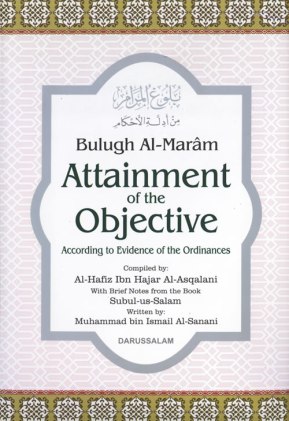
Study of Ahadeeth in Kitâb as-Siyâm (Book of Fasting) – Bulugh al-Maram min Adillat al-Ahkam, (Attainment of the Objective According to Evidences of the Ordinances) by al-Hafidh ibn Hajar al-Asqalani.

Explained by Dr. Saleh as Saleh rahimahullaah based on the explanation of Shaykh Uthaymeen rahimahullaah

Ahaadeeth in Book of Fasting (Bulugh Al Maraam) 

Related Links:


Fasting in Ramadan

Translator : Abu az-Zubayr Harrison – authentic-translations.com

Click the below link to read or download the full artilce PDF

Fasting in Ramadan- Authentic-Translations.com [PDF]

Explaining Some Benefits of Fasting in Ramadan – Shaykh ibn Uthaymeen

Explaining Some Benefits of Fasting in Ramadan
جمالس شهر رمضان :Original Title
Author: Muḥammad Ibn Ṣāliḥ al-‘Uthaymīn
Translated by: Abu az-Zubayr Harrison – authentic-translations.com

Contents

Introduction
The First Ḥadīth: Whoever fasts Ramadan out of faith and hope for reward
The Second Ḥadīth: Every deed of the Son of Adam is for himself except fasting
The Third Ḥadīth: Fasting is a means of protection
The Fourth Ḥadīth: There are two times of happiness for the fasting person

Click the below link to read or download the full document

Explaining Some Benefits of Fasting in Ramadan – Shaykh Uthaymeen [PDF]

Is it Permissible to Fast while Travelling ? – Shaykh al Albaani

Taken from Silsilah Ahadeeth As-Saheehah
by The Muhaddith, Shaykh, Allamaa’ Muhammad Naasiruddeen al-Albaani
Translated by Abbas Abu Yahya

No. 2595 – From Jabir bin Abdullaah who said that the Prophet sallAllaahu alayhi wa sallam  passed by a man who kept turning over on his back and front out of severe hunger, so the Prophet sallAllaahu alayhi wa sallam asked the people about him.  They said: ‘He is fasting O Prophet of Allaah.’

So the Prophet sallAllaahu alayhi wa sallam ordered him to break his fast, and said:

‘Is it not sufficient that you are in the path of Allaah and with the Messenger of AllaahsallAllaahu alayhi wa sallam that you have to fast.’

Collected by Ahmad, and its Isnaad is Saheeh upon the conditions of Imam Muslim.

Shaykh Albaani said:

‘In this hadeeth is a clear evidence that it is not allowed to fast while travelling if it is harmful to the person fasting, and the saying of the Messenger sallAllaahu alayhi wa sallam applies to him: ‘It is not from righteousness to fast while travelling.’ Or the Messenger’s sallAllaahu alayhi wa sallam saying: ‘Those are the disobedient ones.’ As for anyone else then he has the choice, if he wants he can fast and if he wants he can break his fast. This is a summary of what the hadeeth in this issue  intended, and there is no contradiction between the Ahadeeth, and all praise belongs to Allaah.’

[‘Silsilah Ahadeeth As-Saheehah’ vol.6/1 – No. 2595]

Shaykh Albaani commented on another hadeeth in ‘Silsilah Ahadeeth As-Saheehah’:

No. 2884 – The hadeeth of Hamzah bin ‘Amr al-Aslami -Radi Allaahu anhu- when he asked the Messenger of Allaah sallAllaahu alayhi wa sallam about fasting whilst travelling and the Messenger sallAllaahu alayhi wa sallam said:

‘Whichever of those is easier for you then do it. i.e. not fasting in Ramadan or fasting while travelling.’

Collected by Tamam in ‘al-Fawaid’ and its Isnaad is Saheeh.

Shaykh Albaani said:

‘I brought the research of this wording here, firstly to reference this hadeeth to its source, and secondly to include the reason as to why the Messenger sallAllaahu alayhi wa sallam allowed this and let the traveler have the choice of fasting or breaking the fast, and that is the explanation of this issue.

People are completely different as is witnessed and well known from their different capabilities and their different natures (i.e. Physically and in terms of Taqwa) so for some people it is easier to fast along with the people and not make up for it, when they have finished fasting. And others differ so they do not fast because of the allowance not to, and then they make up the fasts later.

May Allaah send His prayers upon the unlettered Prophet to whom it was revealed:

<< Allaah intends for you ease, and He does not want to make things difficult for you >> [Baqarah: 185]

[‘Silsilah Ahadeeth As-Saheehah’ vol.6/2 – No. 2884]

The Encouragement to Fast the Day of ‘Ashura (10th of Muharram) – Shaykh Al Albaani

From ‘Saheeh Targheeb  wa Tarheeb’
by The Muhaddith, Shaykh, Allamaa’ Muhammad Nasur uddeen al-Albaani
Translated by Abbas Abu Yahya 

Book of Fasting

Chapter:  Persuasion to Fast the Day of ‘Ashura

(1) -1017 – Saheeh

On the authority of Abu Qataada -RadhiAllaahu anhu- that the Messenger of Allaah sallAllaahu alayhi wa sallam was asked about the fast of the day of‘Ashura, so he answered: ‘It expiates the sins of the previous year.’

Narrated by Muslim and other than him, and by Ibn Majah and his wording is: ‘The fast of the day of ‘Ashura; Indeed the reward that Irequest from Allaah is that He expiates the sins of the year before this year.’

(2) -1018 – Saheeh

On the authority of Ibn Abbas -RadhiAllaahu anhu- ‘that the Messenger of AllaahsallAllaahu alayhi wa sallam fasted the day of ‘Ashura, and he ordered for it to be fasted.’

Narrated by Bukhari and Muslim

(3) – 1019 –

On the authority of Ibn Abbas – RadhiAllaahu anhu – was asked about the fast of the day of ‘Ashura, so he answered: ‘I do not know of the Messenger of Allaah -sallAllaahu alayhi wa sallam -fasting a day, wanting  the excellence of that fast above  that of other days, nor any other month other than this month. i.e. Ramadan.’

Narrated by Muslim

(4) – 1020- Hasan li ghayreehi’

On the authority of Ibn Abbas – RadhiAllaahu anhu – ‘That the Prophet -sallAllaahu alayhi wa sallam – never aspired for the excellence of a day after ramadan; except the day of ‘Ashura.’

Narrated by Tabaranee in ‘al-Awasat’, and its isnaad is Hasan with the isnad before it.

(5) – 1021 – Saheeh  li ghayreehi’

On the authority of Abu sa’eed al-khudaree -RadhiAllaahu anhu- said that the Messenger of Allaah -sallAllaahu alayhi wa sallam – said; ‘Whoever fasts the day of Arafat he is forgiven for the following year and the previous year. And whoever fasts ‘Ashura then he is forgiven the year.’

Narrated by Tabaranee with an isnaad which is Hasan.

______________________

The day of ‘Ashura is the tenth day of Muharram.

Lessons on Fasting, Taraaweeh and Zakaat – Shaykh Uthaymeen

AUTHOR: Imaam Muhammad bin Saalih Al-‘Uthaimeen
TRANSLATED: Al-Ibaanah Book Publishing
PRODUCED BY: Al-Ibaanah.com

About the Book:

This is a complete translation of the booklet Fusool fis-Siyaam war-Taraweeh waz-Zakaat (Lessons on Fasting, Taraaweeh and Zakaat) written by Imaam Muhammad bin Saalih Al Uthaimeen, may Allaah have mercy on him. The source used for this on-line publication was the version of the book available on binothaimeen.org.

In this treatise, Imaam Ibn Al-Uthaimeen discusses various topics concerning Ramadaan, such as fasting, the Taraaweeh prayer and Zakaat-ul-Fitr. He also includes two sections on Zakaat and those who are entitled to receive it since it is the custom of many people to give out their yearly Zakaat during this blessed month of Ramadaan.

The author presents the material broken down into eight short lessons, including proofs and evidences for his points. At times, he goes into detail regarding some issues and gives the correct scholarly opinion with regard to them.

We hope that this treatise can benefit the English speaking Muslims as we are now well into the month of Ramadaan for this year.

[Download PDF eBook Here]

The below articles are extracted from this book: